

Advanced LED Display Technology: Engineering, Standards, and Industry Insights for Superior Performance
The LED display industry has seen tremendous advancement over the past decade, driven by innovations in materials, manufacturing techniques, and electronics integration. As a professional LED display engineer with extensive experience, this article delves into the essential aspects of LED display engineering, key technical parameters, industry standards, and practical insights that enable the production of high-performance LED and LCD screens suited for diverse global applications.
Understanding LED Display Technology
LED (Light Emitting Diode) displays consist of numerous tiny diodes that emit light when subjected to an electric current. These can be organized into arrays to produce images and videos. Two main categories prevail in the market today: Direct-view LED (often used in large-scale outdoor and indoor screens) and LED-backlit LCD (primarily for television and monitor applications).
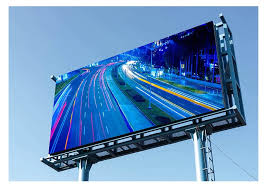
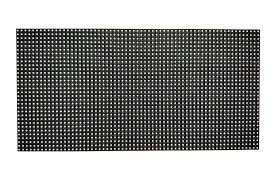
Key technical parameters include pixel pitch, brightness, contrast ratio, color gamut, and refresh rate. Pixel pitch, measured in millimeters, defines the distance between individual LED pixels and directly impacts the screen’s resolution and viewing distance. For example, an LED display with a pixel pitch of 1.5 mm offers high resolution suitable for close viewing environments such as control rooms or retail signage, whereas 10 mm pixel pitch is common for large billboards viewed from a distance.
Material Selection and Manufacturing Precision
High-quality LED displays rely on superior materials and precise manufacturing processes. Common LED chips are based on Gallium Nitride (GaN) technology, offering high luminous efficacy and durability. The phosphor coating converts blue or UV emissions to desired color spectrums essential for achieving wide color gamuts conforming to standards like Rec. 709 or DCI-P3.
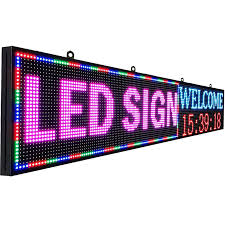
Manufacturing demands stringent quality controls: soldering accuracy, uniform LED binning for color consistency, and robust PCB design to minimize heat. Industry-leading manufacturers implement automated optical inspection (AOI) and electrical testing to detect defective LEDs or anomalies during production.
Adherence to Industry Standards and Certification
Globally recognized standards ensure LED displays meet performance, safety, and environmental criteria. For example, the International Electrotechnical Commission (IEC) sets numerous standards like IEC 62368-1 for safety and IEC 60825 for laser-based LED sources. The Video Electronics Standards Association (VESA) provides guidelines for display interfaces and performance benchmarks.
Color accuracy is often validated against ITU-R BT.2020 or BT.709 standards for broadcast applications. Furthermore, manufacturers must comply with environmental directives such as RoHS (Restriction of Hazardous Substances) and WEEE (Waste Electrical and Electronic Equipment) to ensure sustainability and safe disposal.
Thermal Management and Reliability
Thermal management is a critical concern in LED display engineering. Excessive heat can degrade LED lifespan and distort color performance. Engineers design heat sinks, cooling fans, or even liquid cooling solutions for high-brightness LED modules. The adoption of lightweight aluminum substrates and thermally conductive interface materials has become industry best practice.
Reliability studies show that operating temperatures consistently below 60°C can extend LED service life beyond 100,000 hours as per manufacturers’ datasheets. Additionally, waterproof and dustproof ratings (e.g., IP65, IP67) are fundamental for outdoor applications, guaranteeing operational durability under harsh environmental conditions.
Emerging Trends: Mini-LED and Micro-LED Displays
Recent innovations such as Mini-LED and Micro-LED technologies are revolutionizing display performance. Mini-LED uses thousands of smaller backlighting LEDs in LCD panels to enhance contrast and local dimming capabilities, reaching peak brightness levels above 1,500 nits. Micro-LED, by contrast, is a self-emissive technology similar to OLED but uses inorganic LEDs to offer superior brightness, lifespan, and burn-in resistance.
These technologies demand cutting-edge assembly techniques such as precise pick-and-place machinery and sophisticated driver ICs capable of handling millions of pixels with high refresh rates exceeding 120 Hz for ultra-smooth motion rendering.
Case Studies and Industry Implementation
Numerous global deployments highlight best practices in LED display manufacturing:
- Times Square Digital Billboards: Utilizing 6 mm pixel-pitch LED modules with high brightness (over 6,000 nits) for clear visibility in daylight.
- Control Rooms in Aviation: Employing ultra-fine 0.9 mm pitch LED video walls conforming to VESA standards for color accuracy and latency.
- Retail Digital Signage: Adoption of IP65-rated cabinets with aluminum substrates ensuring weather resistance and thermal stability in open-air locations.
Conclusion
The LED display industry combines intricate engineering, high-quality materials, rigorous standards compliance, and meticulous manufacturing processes to deliver visually stunning, reliable, and durable solutions across sectors. Engineers must continuously innovate and adhere to evolving technical and environmental standards to meet the diverse needs of international customers, backed by precise testing, certification, and quality assurance protocols.
By integrating emerging trends like Mini-LED and Micro-LED technology, manufacturers are poised to deliver next-generation displays that surpass traditional limits in brightness, efficiency, and lifespan — propelling the industry forward into a future marked by greater visual fidelity and operational excellence.













