

LED Passenger Information Displays: Enhancing Public Transit Communication and Efficiency
In the rapidly evolving landscape of urban transportation, LED passenger information displays play a critical role in enhancing communication, improving passenger experience, and optimizing operational efficiency. As cities grow and transit systems become increasingly complex, reliable and clear information delivery is paramount. This article delves into the technical aspects, benefits, and industry standards surrounding LED passenger information displays, showcasing their indispensability in modern public transit.
Technical Overview and Parameters
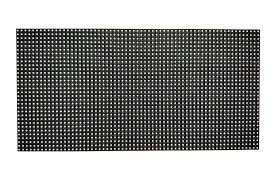
LED passenger information displays generally utilize high-brightness light-emitting diodes to present real-time transit data such as arrival/departure times, route information, delays, and service alerts. They are designed to operate flawlessly under diverse environmental conditions, including extreme temperatures, sunlight glare, and vibration, common in transit environments.
Key technical parameters include:
- Brightness: Typically ranges from 5,000 to 10,000 nits to ensure readability in direct sunlight (as per IEC 62471 safety standards).
- Pixel Pitch: Most passenger displays feature pixel pitches between 2.5 mm to 10 mm, balancing resolution and viewing distance; indoor terminals often use 2.5-4 mm, while outdoor displays prefer 6-10 mm.
- Viewing Angle: Wide horizontal and vertical viewing angles (≥120°) ensure information is visible from multiple waiting positions.
- Response Time: Fast response times (<10 µs) for dynamic content updates prevent ghosting or blur during fast information changes.
- Durability: IP65 or higher ratings ensure dust and water resistance, critical for outdoor deployments.
Applications in Public Transit
LED passenger displays are installed in bus shelters, train stations, subways, and transit centers. Their primary function is to provide passengers with accurate, up-to-date information, thus reducing uncertainty and improving overall journey satisfaction.
For example, LED displays integrated with GPS and real-time vehicle tracking systems enable live updates on bus or train arrivals, delay warnings, and rerouting information. This integration is supported by standards such as the General Transit Feed Specification (GTFS) and the National Transportation Communications for Intelligent Transportation System Protocol (NTCIP), which facilitate data interoperability and system scalability.
Advantages Over Traditional Display Technologies
Compared with LCD or fluorescent displays, LEDs offer superior brightness, wider viewing angles, and better power efficiency. LEDs maintain consistent performance across temperature extremes and possess longer operational lifespans—often reaching 100,000 hours—reducing maintenance costs.
Furthermore, LED displays allow for flexible content management, supporting text, graphics, animations, and even video, which is essential for multilingual cities or regions with diverse passenger demographics.
Industry Case Studies and Best Practices
Prominent transit systems worldwide have successfully deployed LED passenger information displays with significant improvements:
- The Singapore Land Transport Authority installed high-brightness LED displays at MRT stations incorporating multilingual alerts and emergency notices that increased passenger trust and reduced confusion during service disruptions.
- New York City's Metropolitan Transportation Authority (MTA) uses weatherproof LED message boards on bus stops linked to real-time GPS data, resulting in improved passenger punctuality and lower no-show rates.
Best practices suggest centralized control systems with cloud-based content management to allow rapid update across multiple locations. Integration with mobile apps and public Wi-Fi networks further enhances user experience by synchronizing displays with personal devices.
Challenges and Future Trends
Despite numerous benefits, challenges like initial capital investment and display vandalism remain. However, advances in ruggedized LED modules and encryption-enabled content management systems mitigate these concerns.
Future trends in LED passenger information displays include harnessing AI for predictive transit analytics, comprehensive integration with smart city infrastructure, and employing innovative materials for even slimmer, energy-efficient solutions.
Conclusion
LED passenger information displays are indispensable in today’s urban transit environments, offering unmatched clarity, durability, and flexibility. Through adherence to international standards and smart integration, these displays not only inform passengers but also contribute to smarter, more responsive transit networks globally.
For transit authorities seeking to modernize information systems, investing in high-quality LED passenger displays represents a strategic step towards enhancing passenger communication, safety, and satisfaction.













