

Comprehensive Analysis of Taxi Top LED Display Price and Key Factors Influencing Cost
In recent years, taxi top LED displays have become an essential advertising medium, widely adopted in urban environments worldwide. These displays not only provide dynamic advertisement capabilities but also enhance the visibility and revenue potential for taxi operators. Understanding the taxi top LED display price and the factors influencing it is crucial for stakeholders, including taxi companies, advertisers, and display manufacturers.
#Overview of Taxi Top LED Displays
Taxi top LED displays are specialized digital signage panels mounted on the roof of taxis. They leverage light-emitting diode technology to show vibrant, high-resolution advertisements. Typical specifications include pixel pitch ranging from 2.5mm to 6mm, brightness levels between 4000 to 8000 nits (cd/m²), and weather-resistant casing allowing operation under various environmental conditions such as rain, dust, and temperature extremes.
#Market Pricing and Cost Components
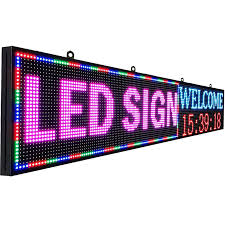
The price of taxi top LED displays generally varies between $800 to $3000 USD per unit, depending on several key parameters. This broad range ensures options are available for different market segments, from budget models with basic features to premium displays equipped with advanced functionality. Let's analyze the major cost factors:
1. Display Resolution and Pixel Pitch:
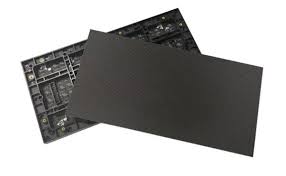
The pixel pitch directly influences image quality and clarity. Smaller pixel pitch (e.g., 2.5mm) results in higher resolution but at a higher manufacturing cost. For instance, a display with a 2.5mm pitch can cost 1.5 to 2 times more than a 5mm pitch unit of the same size due to the precision LED placement and higher LED density required.
2. Brightness and Power Consumption:
Taxi top displays must maintain high brightness (commonly 6000 to 8000 nits) to remain visible under direct sunlight. Higher brightness increases power consumption and demands more robust LED driver circuits, which adds to the cost. Additionally, efficient power usage can affect operational expenses, influencing the overall value proposition.
3. Material and Durability Standards:
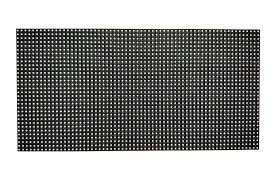
Given the outdoor installation, these displays require durable, weatherproof casings conforming to IP65 or higher protection ratings, ensuring resistance to water and dust ingress. Materials like aluminum alloy frames, tempered glass covers, and anti-UV coatings add to manufacturing complexity and expense but are essential for longevity.
4. Control System and Connectivity Features:
Modern taxi top LED displays incorporate wireless control modules (4G LTE, Wi-Fi, or LTE-M) enabling remote content updates and scheduling. Integration of GPS and sensors enhances fleet management but increases both initial investment and maintenance costs.
5. Size and Customization:
Standard sizes typically range from 48 x 96 cm to larger panoramic options. Customized shapes or dual-sided display configurations elevate production complexity. Greater surface area naturally scales the cost upwards, requiring more LEDs and supporting components.
#Industry Standards and Best Practices
To ensure quality and reliability, manufacturers often comply with international standards such as IEC 62368 for safety, IP rating for ingress protection, and RoHS compliance restricting hazardous substances. These standards guarantee the displays meet electrical safety, environmental, and health requirements vital for public-domain electronic devices.
Moreover, leading suppliers adopt stringent quality control protocols — testing for brightness uniformity, color accuracy, thermal management, and vibration resistance, which aligns with regulations from bodies like CE and FCC, assuring legal operation in multiple countries.
#Practical Insights for Buyers
When evaluating taxi top LED display price offers, it is crucial to consider total cost of ownership (TCO) rather than only upfront pricing. Components like installation fees, maintenance contracts, energy efficiency, warranty, and software platform accessibility significantly impact long-term investment returns.
Sales data and case studies indicate that investing in mid-to-high end models often results in superior advertising effectiveness with increased audience engagement rates and ad revenue, justifying the additional cost through enhanced durability and advanced features.
#Conclusion
The price of taxi top LED displays reflects a complex balance of technical specifications, durability, control capabilities, and compliance with industry standards. For international taxi fleets and advertisers, choosing the right display entails evaluating pixel pitch, brightness, material quality, and connectivity options to align with operational needs and budget constraints.
Informed decisions backed by industry knowledge and technical expertise enable stakeholders to optimize marketing impact while ensuring cost-effective, reliable deployment of taxi top LED displays.
SEO Keywords: taxi top LED display price, taxi LED screen cost, taxi advertising digital signage, LED display pixel pitch, taxi roof LED advertising
SEO Description: Explore the detailed factors influencing taxi top LED display price, including pixel pitch, brightness, durability standards, and connectivity features. Understand cost components and industry best practices for effective taxi advertising.













