

Advanced Technologies and Quality Standards in LED LCD Screen Manufacturing
The manufacturing of LED LCD screens involves a sophisticated integration of cutting-edge technologies, rigorous quality standards, and meticulous engineering processes. As global demand for high-performance displays surges across industries like consumer electronics, automotive, healthcare, and advertising, understanding the intricate facets of LED LCD production is essential for engineers and industry stakeholders.
Technology Overview
LED LCD screens combine liquid crystal displays (LCD) with LED backlighting to achieve superior image quality, energy efficiency, and form factor advantages. The core of an LED LCD panel includes:
- Liquid Crystal Layer: Controls light modulation through electrical signals to produce images.
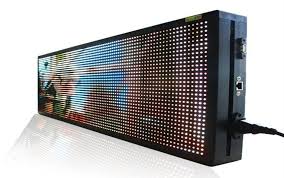
- LED Backlighting: Provides uniform illumination behind the LCD layer, replacing traditional cold cathode fluorescent lamps (CCFL). LED backlighting typically uses white LEDs or RGB LEDs for wide color gamut and improved brightness.
Key technical parameters that dictate display performance include:
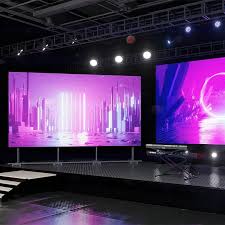
- Resolution: Modern LED LCDs range from Full HD (1920x1080 pixels) to 8K (7680x4320 pixels), impacting sharpness and detail.
- Brightness: Typical brightness values for indoor displays reach 300–500 cd/m², while outdoor or specialized models reach beyond 1,000 cd/m².
- Contrast Ratio: High-end displays achieve contrast ratios exceeding 1,000,000:1 using local dimming and advanced polarization technologies.
- Refresh Rate: Standard refresh rates of 60 Hz are common, but gaming and professional monitors feature 120–240 Hz for smoother motion.
- Color Gamut: Utilizing LED backlighting with quantum dots or RGB LEDs can cover up to 99% of the DCI-P3 or Adobe RGB color spaces.
Manufacturing Processes
Producing LED LCD screens requires precision through each stage:
1. Substrate Preparation: The process begins with glass or plastic substrates cleaned in ultra-cleanroom environments to remove particles down to nanometer scale.
2. Thin Film Transistor (TFT) Fabrication: TFT arrays are deposited using photolithography techniques. Amorphous silicon (a-Si), low-temperature polysilicon (LTPS), or metal oxide semiconductors (e.g., IGZO) are commonly employed, each offering trade-offs in mobility, uniformity, and manufacturing complexity.
3. Liquid Crystal Cell Assembly: The TFT substrate and color filter substrate are aligned and sealed with precise gap control (around 3–6 micrometers) to ensure consistent liquid crystal orientation.
4. Backlighting Integration: LED arrays are mounted behind the LCD panel. Techniques such as edge-lit or direct-lit configurations address thickness constraints and light uniformity.
5. Quality Assurance: Automated optical inspection (AOI), contrast and color calibration, and environmental testing (thermal cycling, humidity exposure) ensure durability and compliance with industry standards such as JEITA (Japan Electronics and Information Technology Industries Association), ISO 9241 for ergonomics, and IEC 60825 for LED safety.
Innovations and Industry Trends
With increasing focus on sustainability and performance, manufacturers incorporate technologies like mini-LED and micro-LED backlights, which offer improved local dimming, higher contrast, and lower power consumption. Furthermore, quantum dot enhancement films (QDEF) enable broader color reproduction without significant cost increases.
The integration of low blue light technology and flicker-free backlighting addresses eye strain, supporting health-focused product certifications compliant with TÜV Rheinland standards. Additionally, flexible substrates and transparent display models are gaining traction in areas such as foldable devices and augmented reality.
Challenges and Solutions
Manufacturers face challenges including yield optimization during TFT fabrication, precise alignment at micron-level tolerances, and heat dissipation from high-brightness LEDs. Advanced in-line monitoring systems employing machine learning algorithms are increasingly deployed to detect defects early and predict maintenance needs.
Heat management solutions incorporate thermally conductive adhesive layers and engineered diffuser films to balance efficiency with panel longevity. Supply chain resilience and environmental compliance, such as RoHS and REACH regulations, also influence material sourcing and process design.
Conclusion
Understanding the complex technology stack and rigorous quality controls involved in LED LCD screen manufacturing is critical for producing displays that meet the exacting demands of modern applications. Advances in materials, manufacturing precision, and backlighting technology continue to elevate display performance, energy efficiency, and user experience globally. Industry standards and certifications serve as benchmarks ensuring that LED LCD screens deliver consistent, safe, and visually stunning results across all use cases.













