

Advanced Techniques and Standards in LED Display Manufacturing for Superior Visual Performance
The LED display industry has witnessed rapid advancements over the past decade, driven by escalating demands for higher resolution, better color accuracy, energy efficiency, and durability. As a professional engineer deeply involved in LED and LCD manufacturing, I aim to provide a detailed exploration into the technical parameters, manufacturing processes, and industry standards that define modern LED display excellence. This article is intended to guide manufacturers, engineers, and decision-makers seeking authoritative insights into producing reliable and high-performance LED displays.
Introduction
LED (Light Emitting Diode) displays have become ubiquitous across various applications, ranging from outdoor billboards to indoor digital signage, control rooms, and television screens. Their popularity stems from exceptional brightness, wide viewing angles, and longevity. Nevertheless, achieving optimal performance requires a thorough understanding of critical manufacturing components, assembly techniques, and quality benchmarks. This article discusses these key aspects, referencing established standards such as IEC 62717 for LED modules and MIL-STD-810 for environmental durability.
Critical Technical Parameters in LED Display Manufacturing
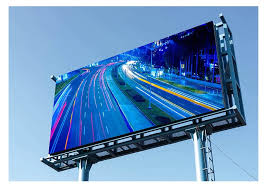
- Pixel Pitch and Resolution: Pixel pitch, the center-to-center distance between adjacent pixels, greatly influences image clarity and viewing distance. For indoor applications, pixel pitches as low as 0.9 mm are available, enabling 4K and even 8K resolutions on large panels. Outdoor displays often use larger pitches (4 mm to 20 mm) to balance visibility and cost.
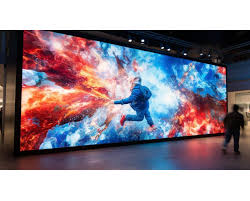
- Brightness and Contrast Ratio: Brightness levels between 800 to 5000 nits cater to indoor and outdoor scenarios, respectively. High brightness ensures readability under direct sunlight, while high contrast ratios (often exceeding 3000:1) contribute to vivid and sharp images.
- Color Accuracy and Calibration: Advanced LED displays use 10-bit or higher color depth and employ color calibration units with spectroradiometers to guarantee consistency across modules. Industry standards, like Rec.709 and DCI-P3 color gamuts, are commonly targeted for video production and broadcast displays.
- Refresh Rate and Response Time: Typical refresh rates for LED displays range from 60 Hz to 3840 Hz or higher, essential for flicker-free video reproduction and live event broadcasting. Low response times (under 5 ms) prevent motion blur and ghosting artifacts.
- Durability and Environmental Protection: For outdoor installations, LED panels must comply with IP65 or higher ingress protection codes, ensuring resistance against dust and water. MIL-STD-810 testing protocols assess robustness against temperature extremes, vibration, and shock.
Manufacturing Processes and Quality Assurance
- LED Chip Selection and Binning: Uniformity in LED brightness and color depends heavily on precise binning processes based on wavelength, luminous flux, and forward voltage. Only matched LEDs are assembled on modules to minimize color inconsistencies.
- Printed Circuit Board (PCB) Technology: Modern LED displays utilize high-frequency PCBs, sometimes multicore and flexible, to enhance signal integrity and simplify integration. Thermal management is designed through metal core PCBs or advanced substrates to dissipate heat effectively.
- Assembly and Soldering Techniques: Automated pick-and-place machines ensure precise LED placement with tolerances often within ±0.05 mm. Soldering techniques like reflow soldering maintain robust electrical connections, critical for long operational lifetimes.
- Module Calibration and Testing: Post-assembly calibration involves adjusting brightness and color per module using specialized software interfaced with colorimeters. Stress tests simulate prolonged use under realistic environmental conditions to verify reliability.
- Standard Compliance and Certification: Compliance with CE, RoHS, FCC, and UL standards guarantees safety, electromagnetic compatibility, and environmental friendliness. For broadcast-grade displays, certifications such as ISO 9001:2015 and ISO 14001:2015 support quality and sustainability management.
Case Studies and Practical Insights
A global LED manufacturer enhanced their outdoor display product line by adopting mini-LED technology with 2.5 mm pixel pitch. This shift improved image sharpness while maintaining 5,000 nits brightness for direct sunlight visibility. The company integrated IEC 62717 compliance in module testing, ensuring reliability over 100,000 hours of continuous operation, significantly lowering maintenance costs.
In another project, a control room display installation utilized LCD-backlit LED panels with 3840 Hz refresh rates and ultra-wide color gamut adherence to DCI-P3 standards. This setup improved operator situational awareness by delivering smooth video streams and succinct data visualization.
Conclusion
The manufacture of high-performance LED displays is a multi-faceted endeavor that combines advanced materials science, precision assembly, and rigorous quality control. Key parameters such as pixel pitch, brightness, color fidelity, and refresh rates must be considerately optimized while adhering to recognized international standards. By integrating cutting-edge technology, robust design practices, and comprehensive testing protocols, manufacturers can deliver LED displays that meet the demanding needs of diverse global markets. As the industry progresses, ongoing innovation and standardization will play vital roles in defining the future landscape of LED display capabilities.













