

Advanced Techniques and Industry Standards in LED LCD Screen Manufacturing
The LED LCD screen manufacturing industry has rapidly evolved over recent decades, driven by technological innovations and escalating demand across diverse applications such as smartphones, TVs, digital signage, and industrial displays. This article explores the core technical parameters, manufacturing advancements, and international standards guiding the production of high-quality LED LCD screens, while providing critical insights into achieving superior performance and durability.
Introduction
Understanding the intricacies of LED LCD manufacturing is pivotal for engineers and manufacturers aiming to optimize display quality and end-user experience. The process requires a delicate balance of material science, precise engineering, and rigorous quality control, abiding by recognized standards like the International Electrotechnical Commission (IEC) and Society for Information Display (SID). This foundation ensures screens deliver consistent brightness, contrast ratio, color accuracy, and longevity.
Key Technical Parameters and Manufacturing Technologies
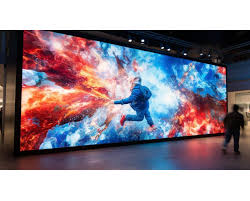
At the heart of LED LCD screens is the liquid crystal display panel combined with LED backlighting, providing the vibrant imagery consumers expect today. Key technical parameters include:
- Resolution: Defined by pixels per inch (PPI), higher resolutions (like 4K UHD at 3840×2160 pixels) enable sharper images and finer detail.
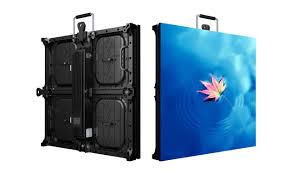
- Contrast Ratio: The ratio of luminance between the brightest white and darkest black; modern LED LCDs typically achieve contrast ratios exceeding 1000:1, essential for vivid image quality.
- Brightness: Measured in nits (cd/m²), typical panels range from 250 to 1000 nits, with sunlight-readable displays requiring upwards of 1500 nits.
- Color Gamut: Representing the range of visible colors, standards like DCI-P3 and AdobeRGB ensure color fidelity critical for content creators and broadcast studios.
- Response Time: The speed at which pixels can change color, with high-quality displays achieving under 5 milliseconds to minimize motion blur.
Manufacturing advancements leverage precision photolithography for LCD panel fabrication and automated LED backlight assembly lines to ensure uniform light diffusion. Techniques such as Quantum Dot enhancement further improve color gamut and energy efficiency.
Quality Assurance and Industry Standards
Compliance with standards such as IEC 62368 for safety and IEC 61607 for environmental testing ensures that LED LCDs meet both safety and durability requirements. Furthermore, calibration processes adhering to ISO 9241-307 for color and luminance measurement guarantee uniformity and accuracy across production batches. Thermal management also plays an integral role; manufacturers employ heat dissipation structures to maintain optimal performance and lifespan.
Emerging Trends and Practical Considerations
Innovations like mini-LED and micro-LED backlighting offer improved contrast and thinner form factors, pushing the envelope of design flexibility. From an environmental perspective, adherence to RoHS (Restriction of Hazardous Substances Directive) promotes sustainability by limiting harmful materials in displays. For large-scale deployments in industries such as aerospace or healthcare, integration with advanced driver ICs and robust physical enclosures provide enhanced reliability.
Conclusion
Professional LED LCD screen manufacturing demands mastery of complex technical parameters, adherence to stringent standards, and continuous innovation. By integrating cutting-edge technologies such as quantum dots and micro-LEDs, alongside rigorous quality control aligned with international standards, manufacturers can deliver displays that satisfy the high expectations of today’s global market. As applications expand and consumer expectations rise, maintaining expertise and industry credibility remains paramount for long-term success.













