

Waterproof Outdoor Digital Signage: Technology, Standards, and Best Practices for Reliable Performance
In today’s fast-evolving digital landscape, waterproof outdoor digital signage has become an indispensable tool for businesses, municipalities, and public venues aiming to engage audiences regardless of weather conditions. Outdoor digital signage must endure exposure to rain, humidity, dust, and temperature fluctuations without compromising visibility or functionality. This article explores the technology behind waterproof outdoor digital signage, relevant industry standards, and practical insights for selecting and maintaining such systems to ensure reliable performance.
Understanding Waterproof Outdoor Digital Signage Technology
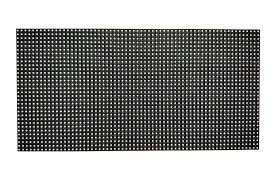
Outdoor digital signage typically comprises LED or LCD displays housed in rugged enclosures designed to withstand harsh environmental conditions. Waterproofing is primarily achieved through enclosures rated to specific ingress protection (IP) standards. The most common rating for outdoor displays is IP65 or higher, indicating complete protection against dust ingress and water jets from any angle.
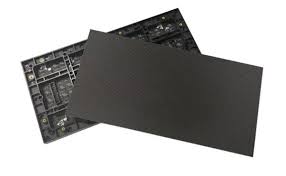
From a technical standpoint, the following features are critical:
- Enclosure Material: Often fabricated from corrosion-resistant aluminum or stainless steel with powder-coating to resist weathering.
- Sealing Methods: Use of gaskets, silicone seals, and pressure equalization vents to prevent water entry while allowing humidity to escape, thus avoiding condensation inside the enclosure.
- Display Panel: Outdoor-grade LED panels are preferred due to their higher brightness levels (typically 4,000 to 7,000 nits), which enable clear visibility even in direct sunlight. In contrast, standard LCD screens usually provide peak brightness around 1,000 nits unless paired with high-brightness backlighting.
- Anti-Reflective and Anti-Glare Coatings: These treatments enhance readability under sunlight by minimizing reflections on the screen surface.
- Temperature Control: Integrated cooling technologies such as fans, heat sinks, and sometimes liquid cooling prevent overheating during high ambient temperatures. Conversely, heaters may be installed to maintain operational temperatures in cold climates.
Industry Standards and Testing for Outdoor Digital Signage
Ensuring durability and performance requires adherence to recognized standards and rigorous testing protocols:
- Ingress Protection (IP) Rating: The IEC 60529 standard defines IP ratings. For waterproof outdoor signage, a minimum of IP65 is generally required, but IP66 or IP67 offers superior water ingress resistance, including protection against powerful water jets or temporary immersion.
- NEMA Ratings: The National Electrical Manufacturers Association (NEMA) standards specify enclosures’ environmental protection; NEMA 4X is commonly targeted for outdoor digital signage, guaranteeing protection against windblown dust, rain, splashing water, and corrosion.
- MIL-STD-810G Environmental Testing: Though primarily military-focused, some vendors perform these rigorous tests for shock, vibration, temperature, and moisture resistance to guarantee robustness.
- Brightness and Contrast Standards: The Society for Information Display (SID) recommends certain luminance ranges for readability; most outdoor LED signs meet or exceed these in practical deployments.
Real-World Applications and Case Studies
Waterproof outdoor digital signage is widely used in transportation hubs, retail environments, stadiums, and smart city initiatives. For example, the City of Amsterdam implemented IP65-rated LED signage across numerous bus stops, coupling waterproof designs with solar-powered controllers to enhance sustainability and network resilience.
In a retail case, a global fast-food chain deployed IP66-compliant digital menu boards capable of operating seamlessly during tropical monsoon seasons. These installations showcased the importance of high ingress protection combined with redundant cooling systems to avoid downtime.
Best Practices for Selection and Maintenance
When selecting waterproof outdoor digital signage, several technical and operational factors must be prioritized:
- Define Environmental Conditions: Assess local weather patterns including rainfall intensity, temperature ranges, salt exposure (for coastal areas), and dust levels to determine appropriate IP and NEMA ratings.
- Brightness Requirements: Opt for displays with at least 4,000 nits for sunny environments to maintain high legibility.
- Connectivity and Power Management: Ensure cabling and power supplies are also weatherproof; use UL-listed waterproof connectors and consider surge protection against lightning or power fluctuations.
- Regular Maintenance: Periodic inspection of seals, cleaning of screens with appropriate materials, and thermal system checks prevent early failure. Condensation sensors can alert technicians to potential humidity ingress.
- Software and Content Management: Use adaptive brightness controls and content scheduling to optimize power use and display lifespan.
Conclusion
Waterproof outdoor digital signage is a sophisticated blend of advanced materials, engineering, and stringent standards that deliver durable, high-performance displays designed to thrive under continuous exposure to challenging environments. By understanding the technical parameters, industry certifications, and applying best practices in deployment and maintenance, businesses and municipalities can ensure that their outdoor digital signage investments provide maximum visibility, reliability, and return on investment over many years.
For engineers and decision-makers, incorporating waterproof digital signage solutions aligned with IP and NEMA standards, combined with rigorous testing and adaptive design, represents the industry’s best approach to overcoming environmental challenges while enhancing audience engagement.
References:
- IEC 60529: Degrees of protection provided by enclosures (IP Code)
- NEMA Standards Publication No. 250
- Society for Information Display (SID) - Displays for Outdoor Applications
- MIL-STD-810G Environmental Engineering Considerations and Laboratory Tests
- Case Study: City of Amsterdam Public Transport Digital Signage Deployment, 2023













