

Waterproof POS Signage Technology and Best Practices for Durable Outdoor Displays
In the rapidly evolving retail and hospitality sectors, point-of-sale (POS) signage plays a critical role in customer engagement and transaction efficiency. However, when deployed in outdoor or semi-outdoor environments, POS displays face unique challenges, foremost among them being exposure to moisture and adverse weather conditions. Waterproof POS signage technology has therefore become a pivotal innovation to ensure device reliability, longevity, and optimal performance in such environments.
Understanding the Need for Waterproof POS Signage
POS signage typically incorporates digital displays, often LED or LCD screens, embedded within interactive terminals. These systems must withstand rain, humidity, dust, and temperature fluctuations without compromising functionality or safety. Traditional electronics are vulnerable to water ingress, which can cause short circuits, corrosion, or complete failure. Thus, waterproofing is essential for maintaining operational continuity.
Key Technical Parameters for Waterproof POS Displays
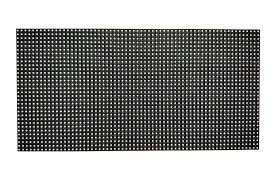
1. Ingress Protection (IP) Ratings:
The international IEC 60529 standard defines the IP rating system to classify the degree of protection provided against solids and liquids. For outdoor POS signage, an IP65 rating or higher is generally recommended.
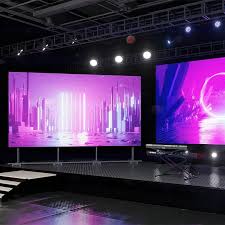
- IP65 ensures complete protection against dust and low-pressure water jets from any direction.
- For harsher environments, IP67 (protection against temporary immersion in water) or IP68 (continuous immersion) may be necessary.
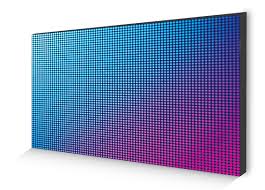
2. Enclosure and Material Design:
Waterproof POS enclosures are typically constructed from corrosion-resistant metals such as stainless steel or aluminum alloys with powder-coated finishes for durability. Polycarbonate or tempered glass covers protect display surfaces while enabling clear visibility. Edge sealing is accomplished by industrial-grade silicone or rubber gaskets.
3. Display Technology and Sealing:
- LED Displays: Known for high brightness (500–1500 nits) ideal for outdoor readability under direct sunlight, LED modules must be encapsulated with waterproof resin and potted to prevent moisture ingress.
- LCD Displays: Often equipped with optical bonding and anti-reflective coatings, these require robust perimeter sealing to prevent water vapor intrusion that can cause fogging or condensation.
4. Thermal Management:
Waterproof casings reduce airflow, which can lead to overheating. Effective solutions include integrated heat sinks, thermal conductive gels, or active cooling systems ensuring safe operating temperature ranges typically between –20°C to +50°C for most outdoor POS units.
5. Electrical Safety and Connectivity:
Waterproof connectors, such as M12 or IP67-rated RJ45 Ethernet plugs, ensure network and power interfaces remain secure against moisture. Additionally, conformal coating on PCB assemblies protects against corrosion from humidity.
Industry Applications and Case Studies
One notable example is the deployment of waterproof POS signage across large outdoor food courts. Systems utilizing IP67-rated enclosures with high-brightness LED touch displays have demonstrated over 5 years of dependable use, reducing service downtime by over 30% compared to non-waterproof counterparts. Studies from Electronics Industry Alliance underscored the improved ROI through lower maintenance costs and enhanced customer satisfaction due to uninterrupted service.
In automotive drive-thru environments, ruggedized waterproof POS terminals maintain performance despite heavy rain or extreme temperature changes. These solutions integrate capacitive touchscreens with hydrophobic coatings to allow reliable operation even with water droplets present.
Best Practices for Installation and Maintenance
- Ensure proper installation with manufacturer-recommended orientation and secure mounting to avoid water pooling.
- Regularly inspect and replace seals or gaskets as part of preventative maintenance.
- Employ protective covers or sunshades to further reduce environmental exposure, especially UV degradation.
- Use diagnostic firmware to monitor device temperature, humidity, and ingress breach sensors for early warning.
Conclusion
The deployment of waterproof POS signage is critical for ensuring robust, long-term operation in outdoor and adverse environments. Attention to IP standards, material selection, thermal management, and electrical protection combined with regular maintenance can significantly enhance system reliability and customer experience. As industry demands for durable and aesthetically appealing digital signage grow, integrating advanced waterproof technologies becomes an indispensable component for future-ready retail and service solutions.
For professionals in the LED display manufacturing and integration sectors, staying abreast of the latest waterproofing methods and materials is essential. Incorporating these practices not only elevates product quality and market competitiveness but also cultivates trust with end users relying on flawless POS interactions in any weather condition.
Authoritative sources:
- IEC 60529 IP Code Standards, International Electrotechnical Commission
- Electronics Industry Alliance (EIA): Outdoor Digital Signage Reliability Studies
- NEC Display Solutions: Outdoor Display Technical Specifications
- IEEE Transactions on Industrial Electronics: Waterproof Touchscreen Technologies













