

Indoor Digital Display Screen: Technology, Applications, and Performance Standards
Indoor digital display screens have become a cornerstone in modern visual communication, blending advanced technology with versatile applications. As experts in LED and LCD display engineering, understanding the intricacies of indoor digital display screens is essential for selecting, deploying, and managing these systems effectively.
Technology Overview
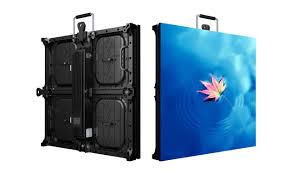
Indoor digital display screens primarily use LED (Light Emitting Diode) or LCD (Liquid Crystal Display) panels. These technologies differ fundamentally:
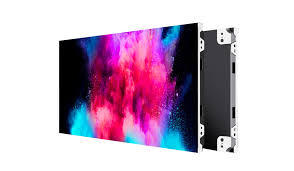
- LED Screens: Composed of tiny LEDs as pixels, these displays generate their own light, allowing for exceptional brightness, contrast, and color accuracy. Indoor LED screens typically feature pixel pitches ranging from 0.9 mm to 4 mm, tailored to viewing distances in enclosed environments. The smaller the pixel pitch, the higher the resolution, enabling crisp, detailed images even at close range.
- LCD Screens: Utilizing a backlight system, LCD displays manipulate liquid crystals to form images. While generally less bright than LEDs, LCDs excel in rendering high-resolution images and videos with balanced color reproduction. They often serve in video walls where precise image alignment and slim profiles are crucial.
Technical Parameters and Standards
Performance parameters for indoor digital displays include:
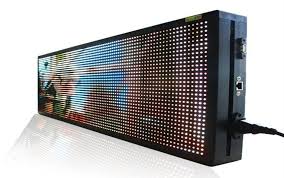
- Brightness: For indoor environments, typical brightness levels range from 800 to 1,500 nits to combat ambient lighting without excessive energy consumption. Excessive brightness can cause eye strain, so it’s optimized per setting.
- Contrast Ratio: A high contrast ratio (above 3,000:1) ensures vivid images, improving readability and visual comfort, especially under varying indoor light conditions.
- Refresh Rate: To reduce flickering and motion blur, refresh rates of 2,400 Hz or higher are recommended for LED screens, which is critical for professional video and dynamic signage.
- Color Gamut and Accuracy: Wide color gamuts such as Rec. 709 or DCI-P3 are standard for indoor displays, supporting vibrant visuals needed in commercial applications.
- Viewing Angle: Indoor digital displays generally offer a wide viewing angle (up to 160° horizontal and vertical), ensuring content visibility from multiple perspectives.
Leading industry standards, including those from the International Electrotechnical Commission (IEC 62676 for digital displays) and ISO 9241 (ergonomics of visual display terminals), guide manufacturers in meeting safety, performance, and quality benchmarks.
Applications
Indoor digital display screens span diverse sectors:
- Retail and Advertising: Dynamic signage enhances customer engagement, enables video promotions, and provides interactive experiences in stores.
- Corporate and Education: Conference rooms, auditoriums, and lecture halls utilize high-definition digital displays for presentations, video conferencing, and real-time data visualization.
- Transportation Hubs: Airports, train stations, and metros deploy these screens for schedule updates, wayfinding, and emergency notifications.
- Hospitality and Entertainment: Hotels, museums, and theaters use indoor displays to deliver interactive content and immersive experiences.
Installation and Maintenance Considerations
Successful installation hinges on factors like screen size, resolution matching, environmental lighting, and power supply stability. Modular designs facilitate scalability and maintenance, with front- and rear-access panels simplifying servicing tasks.
Thermal management is critical, even indoors, to maintain long-term reliability. Ventilation, heat sinks, and temperature sensors preserve panel lifespan, often rated for 50,000 to 100,000 operational hours under manufacturer conditions.
Case Studies and Industry Insights
A recent deployment at a leading international airport featured a 4K UHD indoor LED video wall with 1.2 mm pixel pitch, delivering continuous passenger information with zero downtime over two years. The project adhered strictly to IEC 60529 IP54 dust and splash protection standards, ensuring durability in busy terminal environments.
Furthermore, brands leveraging these displays in retail reported a 30% increase in foot traffic attributed to engaging dynamic advertising. This aligns with studies from the Digital Signage Federation demonstrating that high-brightness, high-resolution indoor screens significantly uplift viewer recall and interaction rates.
Future Trends
Emerging innovations include:
- MicroLED Technology: Offering superior brightness, contrast, and energy efficiency, microLEDs represent the next leap in indoor display performance, with mass adoption expected as manufacturing scales and costs decrease.
- Integrated AI and IoT Capabilities: Smart displays capable of real-time content adaptation, audience analytics, and seamless integration with building management systems enhance user engagement and operational efficiency.
- Sustainability Focus: Eco-friendly materials and energy-saving standards reduce the environmental footprint of indoor digital signage, responding to global regulatory trends and corporate responsibility initiatives.
In summary, indoor digital display screens embody a fusion of high-precision engineering and practical applications, driving innovation in visual communication. For professionals selecting these technologies, careful evaluation of pixel pitch, brightness, refresh rates, and compliance with international standards ensures the delivery of optimal performance and durability in any indoor setting.













