

Advanced Insights into LED Display Manufacturing: Technologies, Standards, and Future Trends
In the rapidly evolving world of display technology, LED displays have emerged as a dominant force due to their superior brightness, energy efficiency, and versatile application range. This comprehensive article delves deep into the technical nuances, manufacturing processes, industry standards, and future trends shaping the LED display industry, placing particular emphasis on delivering an authoritative and practical guide for engineers, manufacturers, and end-users worldwide.
#Understanding LED Display Technology: Fundamentals and Components
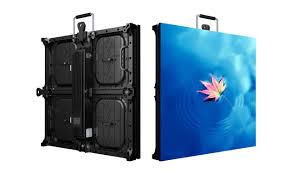
LED displays utilize light-emitting diodes to create vibrant images by controlling the illumination of individual pixels. These pixels consist of red, green, and blue (RGB) sub-pixels, which blend to form the desired color spectrum with high fidelity. The most common configurations in the market include direct-view LED (DV-LED) and microLED technologies, alongside innovations such as MiniLED-backlit LCDs.
Key Technical Parameters of LED Displays:
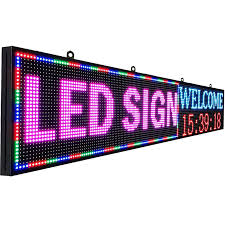
- Pixel Pitch: The distance between the centers of adjacent pixels is paramount. Common pixel pitches range from 0.9mm for ultra-fine detail (used in indoor applications) to over 20mm for large outdoor billboard displays. A tighter pixel pitch yields higher resolution but increases production complexity and cost.
- Brightness & Contrast: Outdoor LED displays routinely achieve peak luminance levels exceeding 5000 nits for visibility in daylight, whereas indoor displays typically operate between 300-800 nits for comfortable viewing. The contrast ratio depends on LED efficiency and screen design, often surpassing 3000:1 in modern panels.
- Refresh Rate: Modern LED displays feature refresh rates of 3840Hz or higher to prevent flicker and ensure smooth motion reproduction even under high-speed camera capture, critical for broadcast studios and event venues.
- Color Gamut & Calibration: High-end LED displays cover up to 95% DCI-P3 or Rec. 709 color spaces, with color calibration performed during factory production and onsite installation to prevent color shifting and ensure uniformity.
#Manufacturing Process: From LED Chip to Final Display
The manufacturing journey begins with LED chip fabrication, typically executed using GaN (gallium nitride) substrates for blue and green LEDs, with yellow phosphor conversion producing white light. Precise epitaxial growth methods such as MOCVD (metal-organic chemical vapor deposition) ensure efficiency and longevity.
Subsequently, the LED chips undergo die packaging, wherein chips are mounted onto lead-frames or substrates, wire-bonded, and encapsulated. Ultra-small LEDs for fine-pitch displays incorporate COB (chip on board) or CSP (chip scale package) techniques to minimize light loss and improve heat dissipation.
Module assembly involves mounting LED packages onto rigid or flexible PCBs arranged in matrices, soldering driver ICs, and incorporating protective coatings to resist moisture and UV degradation. Modules are then tested for brightness uniformity, color accuracy, and electrical functionality under IEC 62087 and ISO 9060 standards.
Finally, screen construction integrates multiple modules into a cabinet frame, featuring heat sinks, power supplies, control cards, and mechanical supports optimized for airflow and environmental protection (IP65 or better for outdoor units).
#Industry Standards and Quality Assurance
Meeting international standards guarantees LED displays’ reliability and performance. Critical references include:
- IEC 62087 (reference methods for power measurement of audio, video, and related equipment), which defines test procedures to measure power consumption accurately.
- IEC 60950-1 and IEC 62368-1 standards for electrical safety, especially important for high-voltage, high-current LED display systems.
- ANSI/CTA-2065 and UL 8750 certification ensure LED modules meet safety and energy efficiency requirements.
- IP (Ingress Protection) ratings such as IP65, IP67 ensure devices resist dust and water, crucial for outdoor installations.
Furthermore, quality assurance processes include lifetime and stress testing. Modern LED displays are rated for over 100,000 hours of operation at typical brightness levels, with proper thermal management essential to achieving this lifespan.
#Application-Specific Design Considerations
Various industries impose distinct demands on LED display engineering:
- Outdoor Advertising: Emphasizes durability, ultra-high brightness, and weatherproofing. Video wall tiles use reinforced cabinets with anti-corrosion coatings. Typical LED pixel pitch ranges between 8mm to 20mm for visibility from distances exceeding 50 meters.
- Indoor Commercial and Entertainment Venues: Requires pixel pitch between 0.9mm and 4mm for crisp visuals at close range, low heat generation, and minimal noise from cooling systems.
- Broadcast and Control Rooms: High refresh rates and precise color accuracy are crucial to produce flicker-free images compatible with camera systems.
- Automotive and Medical Displays: Often incorporate flexible LED technology enabling curved or irregular display shapes with stringent reliability standards.
#Innovations Driving the Future of LED Displays
As manufacturing technology advances, several promising developments are transforming LED displays:
- MicroLED: Combining the self-illumination advantage of OLEDs with the longevity and brightness of LEDs, microLED technology features pixel pitches below 100 microns. Though complex due to mass transfer challenges, companies like Samsung and Apple have made significant strides toward commercialization.
- Quantum Dot LEDs (QLED): Integrating quantum dot enhancement layers dramatically improves color purity and energy efficiency, increasingly used in hybrid LED-LCD displays.
- Smart Displays: Integration of AI-powered image processing, real-time diagnostics, and IoT connectivity optimizes display performance and predictive maintenance.
- Sustainability: Eco-friendly materials, modular designs for easy repair/recycling, and energy-saving driver circuits address environmental impact concerns.
#Best Practices for Installation and Maintenance
Professional installation remains key to maintaining LED display performance:
- Calibration: Initial calibration using colorimeter and spectroradiometer instruments ensures color and brightness uniformity.
- Thermal Management: Adequate ventilation and heat dissipation prevent LED degradation and reduce power consumption.
- Regular Maintenance: Scheduled cleaning, firmware updates, and electrical inspections enhance longevity.
- Environmental Monitoring: Humidity and temperature sensors embedded in cabinets signal potential failures before they occur.
#Conclusion
LED display manufacturing is a confluence of advanced materials science, precision engineering, and rigorous quality control. Industry professionals must understand the full spectrum of design, production, and operational parameters to deliver high-performing, reliable, and visually compelling LED displays.
By adhering to global standards, embracing emerging technologies like microLED, and prioritizing sustainability, the display industry can meet the rising global demand for immersive visual experiences across advertising, entertainment, medical, transportation, and numerous other fields.
References:
1. International Electrotechnical Commission (IEC), IEC 62087: Methods of Measurement of Power Consumption (2022 Edition).
2. Society for Information Display (SID), "The Display Industry Awards," 2023.
3. Lumileds, "Understanding LED Performance Metrics," Technical White Paper, 2024.
4. Journal of the Society for Information Display, Vol. 32, Issue 4, "MicroLED Display Challenges and Prospects," April 2024.
5. UL Standards for Safety, UL 8750, LED Equipment for Use in Lighting Products, 2023 Edition.
This detailed overview underscores the critical intersection of technology, craftsmanship, and innovation inherent to LED display manufacturing, equipping professionals with practical knowledge and strategic insights for success.













