

Interactive LED Displays: Revolutionizing Visual Communication with Immersive Technology
Interactive LED displays represent the cutting edge of visual communication technology, blending high-definition imaging with user engagement to transform how information is presented and consumed in various industries. As an experienced LED display engineer, I will dissect the technical parameters, industry applications, and the future potential of interactive LED displays, supported by authoritative standards and case studies.
At the core of interactive LED displays lies Light Emitting Diode (LED) technology. Unlike traditional LCDs which use backlighting and liquid crystals, LEDs produce bright, vivid images through self-emission, offering superior contrast ratios often exceeding 5000:1 and brightness levels ranging from 1000 to over 5000 nits, depending on the environment. These parameters are crucial because outdoor visibility demands high brightness, whereas indoor use focuses on color accuracy and uniformity.
Interactive LED displays incorporate touch-sensitive surfaces or motion sensors allowing users to engage directly with content. This interaction is enabled via technologies such as capacitive touch, infrared sensors, or camera-based tracking systems. For example, capacitive touch screens offer sub-millimeter precision with multi-touch capabilities supporting up to 20 simultaneous touchpoints—a key advantage in collaborative spaces like conference rooms or classrooms.
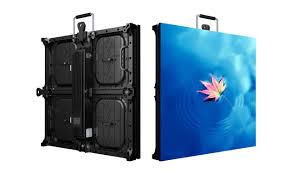
Technical standards such as IEC 60068 for environmental reliability and ANSI/IES LM-79-19 for photometric and colorimetric testing ensure product quality and durability. Compliance with these standards assures that interactive LED displays can withstand temperature extremes, humidity, and mechanical stress while maintaining optical integrity and touch responsiveness.
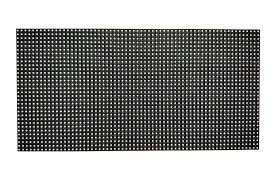
The applications of interactive LED displays span numerous sectors:
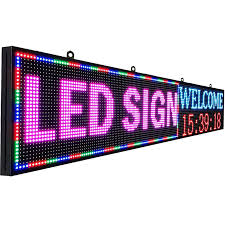
1. Retail and Advertising: Interactive LED walls and kiosks draw customers with dynamic, touch-enabled content that adapts to user inputs, improving engagement rates by over 30% compared to static signage (Source: Digital Signage Federation Report, 2023).
2. Education and Training: Enhanced with annotation tools and multi-user support, interactive LED panels encourage collaborative learning. Leading institutions report increased student participation and better comprehension when employing these displays (Study by EDUtech Insights, 2022).
3. Corporate and Collaboration: Boardrooms and huddle spaces benefit from interactive LED screens that facilitate seamless presentations, real-time data manipulation, and video conferencing integration, optimizing decision-making processes.
4. Exhibitions and Museums: These displays offer immersive experiences where visitors interact with informational content, gamified exhibits, or augmented reality overlays, elevating educational value.
From a manufacturing standpoint, integrating interactive functions requires precise layering of the LED module with the touch-sensitive layer, ensuring no compromise on brightness or color fidelity. State-of-the-art COB (Chip-on-Board) technology, which mounts multiple LEDs directly onto the substrate, enhances pixel density and thermal management—key for interactive displays where touch impacts surface contact and heat dissipation.
Another critical factor is the refresh rate and latency. Interactive LED displays typically operate at refresh rates of 60Hz to 120Hz, with touch latency below 30 milliseconds to ensure instantaneous response. High refresh rates prevent motion blur and maintain smooth interaction, which is vital in gaming or dynamic control rooms.
Power consumption and sustainability have become focal points. Modern interactive LED displays utilize energy-efficient drivers and adaptive brightness controls to reduce power consumption by up to 40% while maintaining optimal brightness. Many vendors comply with ENERGY STAR and RoHS directives, aligning with global sustainability goals.
Recent case studies illustrate the transformative impact of interactive LED displays:
- A flagship retail store in Tokyo implemented a 4K interactive LED wall that boosted customer dwell time by 50%, driven by interactive game-like promotions. The display featured a pixel pitch of 1.2mm ensuring ultra-fine detail in a 10x3 meter screen area.
- A global financial firm integrated interactive LED video walls in their trading floor, enabling traders to manipulate market data through touch gestures in real-time. The system used a ruggedized, low-latency interactive display with a 10000:1 contrast ratio for reduced eye strain during long shifts.
Looking forward, the fusion of AI-driven content adaptation and 5G connectivity promises to make interactive LED displays even more responsive and contextually aware. Advances in transparent LED technology and flexible substrates indicate potential applications in augmented reality glasses and curved architectural surfaces, expanding beyond fixed screen formats.
In conclusion, interactive LED displays stand at the intersection of technology, design, and user experience, pushing boundaries in communication effectiveness. By adhering to stringent industry standards and leveraging the latest technological advancements, these displays provide durable, visually stunning, and highly engaging platforms suited for a broad array of commercial and educational applications. For manufacturers and integrators, understanding the intricate balance of optical performance, touch sensitivity, and operational reliability is paramount to delivering solutions that meet the evolving demands of modern markets.













