

Advanced Technologies and Best Practices in LED Display Manufacturing
The LED display industry has experienced remarkable growth over the past decade, driven by continuous advancements in technology, material science, and manufacturing processes. As a professional LED display engineer with extensive experience in LED and LCD screen manufacturing, this article delves into the technical aspects, industry standards, and practical methodologies that define excellence in the production of LED displays. This comprehensive overview aims to provide international readers with authoritative insights into best practices, key parameters, and future trends in LED display manufacturing.
Fundamentals of LED Display Technology
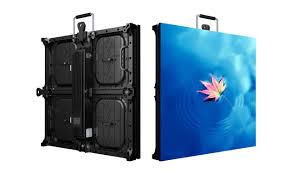
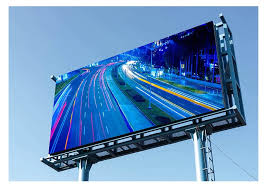
LED (Light Emitting Diode) displays operate on the principle of electroluminescence, whereby semiconductor diodes emit light when an electric current passes through them. These displays are primarily categorized into indoor and outdoor types, differing in pixel pitch, brightness, and durability to suit various environments.
Pixel Pitch and Resolution
Pixel pitch, measured in millimeters (mm), is the distance between the centers of two adjacent pixels. It directly influences resolution and image clarity. For indoor displays, typical pixel pitches range from 0.9mm to 4mm, enabling high-definition visual content. For outdoor displays, pitches generally range from 4mm to 20mm, optimized for visibility at longer viewing distances.
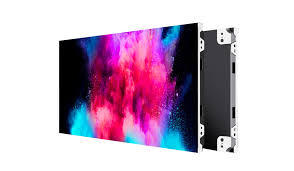
Adhering to standards such as the IEC 62471 on photobiological safety ensures that displays maintain safe brightness levels without causing discomfort or harm to viewers.
Brightness and Contrast Ratio
Outdoor LED displays typically require luminance levels between 5,000 to 10,000 nits (cd/m²) to be clearly visible under direct sunlight. Indoor displays generally operate at 800 to 1,500 nits, balancing visibility and power consumption. Contrast ratio, defined as the luminance ratio between the brightest white and darkest black, is critical for display quality. Enhanced contrast can be achieved via advanced driving ICs (Integrated Circuits) and black LED packaging technologies.
Color Accuracy and Calibration
Color reproduction in LED displays depends on precise calibration of the LEDs’ dominant wavelength and chromaticity coordinates (CIE 1931 color space). For professional-grade displays, achieving a color gamut that covers at least 90% of the NTSC color space is common. Calibration tools such as spectroradiometers and colorimeters are used throughout production to ensure uniform color performance.
Manufacturing Precision and Quality Control
Manufacturing LED displays demands stringent quality control protocols. Fine pitch LED assembly requires automated placement machines with sub-50-micron precision to ensure pixel uniformity. Soldering, encapsulation, and module assembly must comply with IPC standards, including IPC-A-610 for electronic assemblies, to guarantee durability and performance.
Environmental testing under IEC 60068 simulates harsh conditions such as humidity, temperature extremes, and vibration to certify product reliability. Additionally, addressing failure modes—such as dead pixels, color drift, and electrical shorts—is essential during the burn-in testing phase.
Thermal Management Technologies
Managing heat dissipation is vital due to LED sensitivity to temperature, which affects lifespan and brightness. Advanced LED modules incorporate aluminum substrates, heat sinks, and active cooling systems. Thermal interface materials (TIM) with high conductivity and reliability prevent hotspots and maintain uniform operation.
Trends and Innovations
MicroLED and MiniLED technologies represent the forefront of LED display innovation. MicroLED offers high brightness, ultra-high contrast, and energy efficiency, suitable for next-generation displays such as AR/VR devices and large video walls. MiniLED backlit LCDs improve brightness uniformity and local dimming capabilities, bridging LED and LCD technology.
Environmental and Energy Efficiency Considerations
The industry increasingly focuses on sustainable materials and energy-efficient components. Compliance with RoHS (Restriction of Hazardous Substances) and REACH regulations ensures minimization of hazardous chemicals. Incorporating power-saving driver ICs and adaptive brightness systems contributes to energy efficiency and prolongs product life.
Conclusion
Manufacturing high-quality LED displays demands synergy among precise engineering, rigorous quality standards, and innovative technologies. Understanding key parameters like pixel pitch, brightness, color accuracy, and thermal management is essential for professionals in the field. Adopting emerging technologies such as MicroLED and adhering to international standards ensures the production of reliable, vibrant, and efficient LED displays that meet diverse application needs worldwide.
By integrating these advanced manufacturing techniques and standards, the LED display industry continues to push boundaries, providing enhanced visual experiences across advertising, entertainment, sports, and public information sectors.
References:
- IEC 62471 - Photobiological safety of lamps and lamp systems
- IPC-A-610 - Acceptability of Electronic Assemblies
- IEC 60068 - Environmental testing standards
- NTSC Color Gamut Specifications
- OSRAM and Cree LED datasheets and application notes
- "MicroLED and MiniLED: Future Perspectives in Display Technology", Journal of Display Technology, 2023
LED display manufacturing, pixel pitch, LED brightness, color calibration, thermal management
Explore advanced techniques and industry standards in LED display manufacturing, including key parameters like pixel pitch, brightness, color calibration, and thermal management, to ensure high-quality, durable, and efficient LED displays for diverse applications worldwide.













