

Advanced Engineering Principles in LED Display Manufacturing for High-Quality Visual Solutions
The demand for high-performance LED displays has surged worldwide, driven by applications ranging from outdoor advertising to immersive digital signage and large-scale public information systems. Engineering advanced LED display solutions involves a complex interplay of technology, materials science, thermal management, and precision manufacturing processes, all aimed at delivering superior brightness, color accuracy, and durability.
Introduction
In the rapidly evolving field of LED display manufacturing, engineers must adhere to rigorous standards and employ sophisticated techniques to meet increasingly stringent requirements. This article delineates key engineering principles, technical specifications, and industry best practices fundamental to producing LED displays that combine visual excellence with long-term reliability.
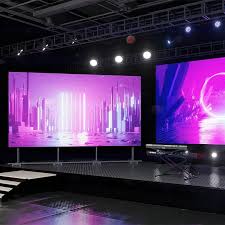
Main Body
1. Pixel Architecture and Resolution
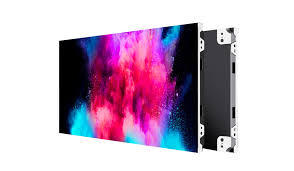
At the heart of an LED display lies the pixel structure, typically composed of red, green, and blue diodes arranged in groups to form a single pixel. The pixel pitch — the center-to-center distance between adjacent pixels — is a critical parameter that dictates resolution and viewing distance. For indoor displays, pixel pitches can be as low as 0.7mm to 1.5mm, supporting 4K UHD resolution for close-range viewing. Outdoor displays, in contrast, favor larger pixel pitches (e.g., 4mm to 10mm) to optimize brightness and visibility from distance.
Advanced fine-pitch LED technologies, such as COB (Chip on Board) and SMD (Surface-Mount Device) LEDs, have enabled significant improvements in pixel density without compromising heat dissipation.
2. Brightness and Color Fidelity
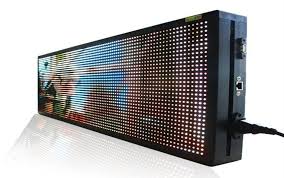
LED brightness levels are measured in nits (cd/m²), with indoor displays typically ranging from 800 to 1500 nits, while outdoor displays often exceed 5000 nits to maintain visibility under direct sunlight. Achieving uniform brightness and color across the entire panel is essential. High Color Rendering Index (CRI) LEDs are recommended to support vibrant color reproduction and meet industry color gamut standards such as Rec. 709 and DCI-P3.
Color calibration processes involving photometric measurements and software controls are critical throughout manufacturing to ensure that each LED module produces consistent hues and luminance levels.
3. Thermal Management
Effective heat dissipation is crucial for maintaining LED longevity and stable operation. Excessive heat increases junction temperature, accelerating lumen depreciation and potentially causing color shifts. State-of-the-art LED modules incorporate aluminum PCBs and integrated heat sinks, often paired with active cooling solutions for large displays.
Thermal simulations during design, using tools like CFD (Computational Fluid Dynamics), help optimize airflow and component layout to maintain operating temperatures within recommended limits, typically below 85°C junction temperature.
4. Driving and Control Systems
High-frequency PWM (Pulse Width Modulation) driving circuits modulate LED brightness with high precision to reduce flicker and power consumption. Dedicated ICs providing grayscale capacity of 14-16 bits per color channel ensure smooth gradation necessary for professional-grade video content.
Signal control protocols such as HDMI, SDI, and more recently, IP-based transmission protocols, offer compatibility and scalability. Advanced LED control systems feature real-time diagnostics and remote management capabilities, which improve maintenance efficiency and reduce downtime.
5. Durability and Environmental Protection
Outdoor LED displays require robust enclosures with IP65 or greater ratings to resist dust and water ingress. Shock-resistant materials and vibration damping designs secure LED modules during installation and prevent mechanical failures.
Conforming to industry standards like IEC 60529 ensures reliable operation under extreme conditions. Additionally, anti-corrosion treatments and UV-resistant coatings prolong display life, which can exceed 100,000 operating hours with proper maintenance.
6. Manufacturing Quality and Testing
Quality control in LED display production integrates in-line optical and electrical testing procedures. Automated inspection systems verify LED placements, solder quality, and color uniformity immediately after assembly.
Burn-in testing under controlled conditions detects early failures, verifying adherence to specified performance metrics. Compliance with international standards such as ISO 9001 and RoHS certification reflects commitment to quality and sustainability.
Conclusion
Manufacturing high-quality LED displays demands sophisticated engineering that harmonizes pixel design, brightness optimization, thermal control, driving electronics, and environmental ruggedness. Adhering to proven materials and processes ensures expansive application capabilities, whether for bright outdoor billboards or precision indoor video walls.
As the LED industry continues to innovate, upcoming technologies—such as Micro LED and advanced chipset controls—promise further enhancements in visual fidelity and power efficiency. Manufacturers who consistently employ industry standards and comprehensive quality assurance practices will remain at the forefront of delivering cutting-edge LED display products worldwide.













