

Fine Pitch LED Video Walls: Advanced Technology and Application Insights
Fine pitch LED video walls represent the forefront of display technology, offering unparalleled image clarity, color precision, and seamless viewing experiences for a wide range of applications. As LED technology evolves, fine pitch LED video walls have become the preferred choice in control rooms, broadcast studios, corporate environments, luxury retail, and high-end auditoriums worldwide. This article delves into the technical details, manufacturing nuances, industry standards, and practical deployment considerations of fine pitch LED video walls, backed by industry expertise and authoritative sources.
Understanding Fine Pitch LED Technology
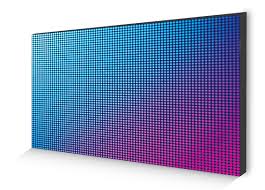
“Pitch” in LED displays refers to the distance between the center of one LED pixel to the center of the adjacent pixel, measured in millimeters (mm). Fine pitch LED video walls typically have pixel pitches ranging from 0.7 mm to 1.5 mm. This extremely small pitch size allows for ultra-high resolution displays with enhanced pixel density, resulting in crisp and detailed images without visible gaps or pixelation, even from very close viewing distances.
According to the Video Electronics Standards Association (VESA) and guidelines outlined in industry whitepapers, displays with pixel pitches below 1.5 mm qualify as fine pitch. These video walls offer pixel densities exceeding 450,000 pixels per square meter, surpassing traditional large-format LCD videowalls in image uniformity and brightness.
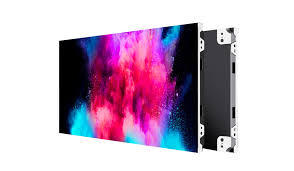
Critical Technical Parameters
1. Pixel Pitch: The defining feature, typically ranging from 0.7 mm to 1.5 mm in fine pitch displays. Smaller pitches yield superior resolution but require more complex manufacturing.
2. Brightness: Fine pitch LED walls generally achieve brightness levels of 800 to 1500 nits. This range accommodates both indoor controlled lighting environments and semi-outdoor settings, maintaining consistency and vibrancy without washout.
3. Refresh Rate: A high refresh rate (often 3840 Hz or higher) is essential for smooth video playback and eliminating flicker, which is crucial for broadcast and live event applications.
4. Color Accuracy: Fine pitch LED walls leverage advanced calibration techniques, including 14-bit or higher gray scale, to ensure color fidelity consistent with DCI-P3 or Rec. 709 standards, critical for professional video environments.
5. Viewing Angle: A wide viewing angle, up to 160° horizontally and vertically, preserves image integrity when viewed off-axis, beneficial for large rooms or auditoriums.
6. Lifetime and Reliability: High-quality fine pitch LED modules typically exhibit a lifespan exceeding 100,000 hours at half-brightness, per standards like IHS Markit’s LED Display Longevity reports, ensuring longevity in demanding environments.
Manufacturing Challenges and Solutions
Producing fine pitch LED modules requires advanced surface mount technology (SMT) with ultra-precise pick-and-place machines capable of positioning minute LEDs accurately. The inspection systems must detect sub-millimeter defects, and thermal management becomes critical due to denser LED packing.
To mitigate heat, most manufacturers employ multi-layer PCBs with optimized thermal vias and heat sinks. Additionally, manufacturers use smart ICs for uniform current control across LEDs to ensure consistent brightness and color uniformity over the video wall’s entire surface.
Calibration and Maintenance
Field calibration is vital to maintain uniformity in brightness and color. Modern fine pitch LED walls benefit from automatic calibration systems using photodiodes or camera-based colorimeters that adjust each pixel in real-time. This guarantees that large video walls exhibit seamless visual output even after prolonged usage or environmental changes.
Maintenance practices should include modular design for easy replacement of individual LED tiles, reducing downtime and labor costs. Industry-leading brands integrate hot-swap capabilities, enabling module replacement without shutting down the entire video wall.
Applications and Industry Adoption
Fine pitch LED video walls have transformed environments where image quality and reliability are paramount:
- Command and Control Centers: Operators require pristine images for situational awareness, and fine pitch walls deliver detailed visual data without eye strain.
- Broadcast Studios: High refresh rates and color accuracy meet stringent HD and UHD broadcast standards.
- Corporate and Conference Rooms: Enhanced visual presentation supports immersive meetings, digital signage, and collaboration solutions.
- Luxury Retail and Museums: The capability to render striking visuals at close viewing distances creates captivating customer experiences.
- Medical Imaging and Education: Fine pitch LED technology facilitates detailed visualization necessary for diagnostics and training.
Future Trends and Innovations
Emerging trends include microLED integration, which promises finer pitches below 0.5 mm, combined with higher brightness and energy efficiency. Additionally, AI-driven calibration and predictive maintenance are enhancing operational reliability by preemptively identifying anomalies.
As 8K content becomes mainstream, fine pitch video walls adapt by scaling pixel density to meet the ultra-high resolution requirements of next-generation visual display needs.
Conclusion
Fine pitch LED video walls epitomize the fusion of cutting-edge display engineering with practical, reliable solutions for diverse high-demand environments. Their precision manufacturing, superior image quality, and robust performance metrics make them indispensable in sectors demanding visual excellence. Staying abreast of advances in LED component technology, manufacturing processes, and calibration techniques will continue to push the boundaries of what fine pitch LED displays can achieve globally.
References:
- Video Electronics Standards Association (VESA) Display Standards
- IHS Markit LED Display Longevity Reports, 2023
- Society for Information Display (SID) Technical Digest, 2022
- Industry Whitepapers from Leyard and Absen, 2023
- Technical Guide: Calibration Techniques for LED Walls, Radiant Vision Systems, 2024













