

Taxi LED Screen Technology: Enhancing Urban Transportation Advertising and Communication
In recent years, Taxi LED screens have emerged as a transformative technology reshaping urban transportation advertising and real-time communication. These vibrant, dynamic display solutions integrate seamlessly with taxi rooftops or interior panels, offering advertisers and transit operators unparalleled opportunities to engage audiences while enhancing passenger experience and operational efficiency.
Understanding Taxi LED Screen Technology
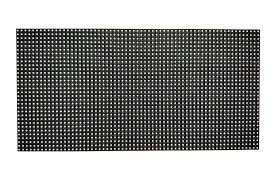
Taxi LED screens typically utilize high-resolution LED panels designed to withstand outdoor environmental challenges such as variable lighting, weather conditions, and vibrations caused by vehicle movement. The displays employ SMD (Surface-Mounted Device) LED technology, which ensures brightness levels exceeding 6000 nits, allowing clear visibility even under direct sunlight. Pixel pitch sizes usually range from 2.5mm to 5mm, balancing clarity and cost-effectiveness for both rooftop and in-cabin applications.
The modular structure of these LED panels facilitates easy installation and maintenance. According to the Digital Signage Federation (DSF) standards, robust IP65 or higher ingress protection ratings are vital to ensure dust and splash resistance—a common requirement due to urban pollution and rain exposure. Additionally, screen dimensions must be aerodynamically optimized to minimize drag and avoid mechanical strain on the taxi roof or mounting apparatus.
Applications in Urban Transportation
1. Advertising and Revenue Generation
Taxi LED screens offer dynamic advertising spaces, capable of displaying static images, animations, and video commercials. Unlike traditional billboards, LED displays enable real-time content switching based on location, time, or targeted demographics. Advanced software platforms leverage GPS and data analytics to customize advertisements as taxis approach high-footfall areas or specific consumer clusters, maximizing engagement and advertiser ROI.
According to a case study by JCDecaux, taxis equipped with LED rooftops increased ad recall rates by 28% compared to static signs. This surge in effectiveness attracts premium advertisements from sectors such as retail, hospitality, and consumer electronics.
2. Communication and Public Service
Beyond advertising, taxi LED screens are pivotal in delivering city-wide alerts, transportation updates, and public safety messages. During emergencies, LED displays can instantly communicate evacuation protocols, weather warnings, or traffic changes, reducing response time and enhancing commuter safety.
Moreover, the integration of IoT-enabled control systems allows real-time scheduling, content monitoring, and performance analytics. Fleet operators can remotely manage content, ensuring compliance with local advertising policies and adjusting messaging in dynamic scenarios.
Technical Specifications and Industry Standards
For optimal performance, Taxi LED screens must meet rigorous technical parameters:
- Brightness: 6000 – 8000 nits, ensuring daytime visibility.
- Pixel Pitch: 2.5mm to 5mm, depending on screen size and viewing distance.
- Refresh Rate: ≥3840Hz to prevent flickering in video capture (important for media usage).
- Contrast Ratio: ≥4000:1 for vivid image quality.
- Viewing Angle: Horizontal ≥160°, Vertical ≥140° for maximum audience reach.
- Ingress Protection: IP65 or above for all-weather durability.
- Operating Temperature: -20°C to +60°C, suitable for diverse urban climates.
- Power Consumption: Energy-efficient designs averaging 150W to 300W per square meter to balance brightness and sustainability.
Compliance with RoHS (Restriction of Hazardous Substances Directive) and CE certification ensures environmental safety and quality assurance, vital for large-scale municipal deployments.
Case Studies
- New York City Taxi LED Initiative: A major rollout involving over 10,000 taxis equipped with rooftop LED screens demonstrated a 35% increase in advertising revenue within the first year. Integration with city transit apps allowed targeted messaging during peak hours.
- London's Smart Taxi Displays: Leveraging interactive LED panels inside cabs, this project enabled real-time passenger information delivery, enhancing user satisfaction and operational transparency.
Challenges and Future Prospects
Despite clear benefits, challenges such as installation costs, energy consumption, and regulatory approvals can slow adoption. Ongoing innovation focuses on ultra-lightweight materials, solar-powered modules, and improved anti-glare coatings to optimize performance and sustainability.
Future developments anticipate AI-driven content adaptation, deeper integration with smart city infrastructures, and enhanced interactivity, turning Taxi LED screens into multimodal communication hubs.
Conclusion
Taxi LED screens are revolutionizing urban transportation advertising and information dissemination, delivering high-impact visuals with operational flexibility and durability. By adhering to established industry standards and leveraging advanced LED technologies, cities worldwide can maximize the potential of taxi fleets as dynamic digital communication platforms, fostering smarter, more connected urban environments.
SEO Keywords: taxi LED screen, digital taxi advertising, rooftop LED display, urban transportation screens, LED screen technology
SEO Description: Taxi LED screens are transforming urban transportation with high-brightness, durable LED displays for advertising and real-time communication. Explore technical specs, industry standards, applications, and case studies shaping the future of taxi advertisement technology worldwide.













