

Advanced Insights into LED Display Technology and Manufacturing Best Practices
The evolution of LED display technology has significantly transformed the visualization landscape across various industries, from commercial advertising to medical imaging and broadcast studios. As an experienced LED display engineer, this article delves deeply into the technical facets and manufacturing best practices essential for creating cutting-edge LED LCD screens that meet today's rigorous standards of performance, reliability, and user experience.
Fundamental Components and Technical Parameters
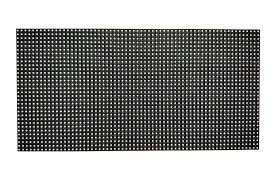
At the core of LED display manufacturing lies a meticulous process involving the integration of LED modules, LED drivers, power supplies, and sophisticated control systems. Typically, the LED panels use either surface-mounted device (SMD) LEDs, offering pixel pitches from 0.9mm to 10mm for indoor applications, or through-hole LEDs for large outdoor displays with pixel pitches from 10mm upwards. Pixel pitch directly correlates to resolution, color accuracy, and viewing distance requirements. For example, a 0.9mm pixel pitch LED panel can deliver ultra-high-definition images suitable for close-range viewing, commonly found in command centers or medical facilities (reference: IEC 62087 standard for TV and multimedia display measurements).
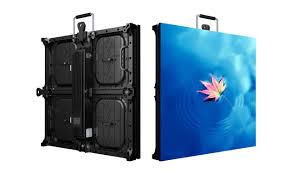
Key Manufacturing Processes and Quality Control
The production pipeline involves precise steps such as PCB substrate fabrication, LED binning and sorting by luminous intensity and color wavelength, reflow soldering, and module assembly under strict cleanroom conditions to eliminate contamination and ensure uniformity. Post-assembly, modules are rigorously tested for color uniformity, luminance, and electrical characteristics to comply with standards such as ANSI C82.77-2017 for flicker-free lighting and IEC 62368-1 for safety in electronic equipment.
Reliability testing—thermal cycling, vibration resistance, and humidity exposure—is critical to predict long-term performance, especially for outdoor installations. Passing accelerated aging tests ensures the LED display’s operational lifespan, which industry data shows averages between 60,000 to 100,000 hours at 50% brightness.
Display Driver ICs and Control Systems
The integration of highly efficient driver ICs such as MBI5124 or TI’s TLC5951 offers benefits like grayscale control exceeding 14 bits per channel, dynamic refresh rates above 3840Hz, and lower power consumption. Advanced control systems use FPGA or embedded microcontrollers to synchronize LED frames, implement error correction algorithms, and support versatile communication protocols like Ethernet or HDMI, ensuring a seamless and flicker-free visual experience.
Heat Management and Power Efficiency
Thermal management is paramount for maintaining LED brightness and longevity. Employing aluminum substrates or copper-based PCBs coupled with heat sinks and forced-air cooling can reduce junction temperature by up to 20°C, as confirmed by industry case studies from leading manufacturers such as Samsung and Leyard. Additionally, power efficiency improvements through constant current regulation enhance energy savings up to 15%, which is vital for large-format displays with significant power draw.
Emerging Trends and Industry Standards
Recent innovations include microLED integration for higher brightness and contrast ratios exceeding 5000:1, and flexible LED backplanes facilitating curved or foldable displays. Industry standards continue to evolve; the latest IEC 62717 defines performance requirements for LED modules including luminous flux maintenance and color stability over time. Moreover, viewing angle enhancements are encouraged through ultra-wide-angle SMD LEDs and diffuser film technologies exceeding 160 degrees horizontal and vertical.
In conclusion, mastering LED display technology requires not only adherence to stringent manufacturing protocols and standards but also continuous innovation to optimize display quality, reliability, and energy efficiency. Stakeholders—from design engineers to suppliers—must collaborate to deliver products that withstand diverse environmental conditions, provide immersive visual experiences, and meet the growing demands of global markets.













