

Advanced LED LCD Display Manufacturing Techniques and Industry Insights
The LED LCD (Light Emitting Diode Liquid Crystal Display) technology represents one of the most significant advancements in modern display manufacturing, combining the backlighting efficiency of LEDs with the high-resolution capabilities of LCD panels. As global demand for brighter, energy-efficient, and high-performance screens increases, understanding the intricate manufacturing processes, critical parameters, and industry standards becomes fundamental for professionals pursuing excellence in this field.
Fundamentals of LED LCD Technology
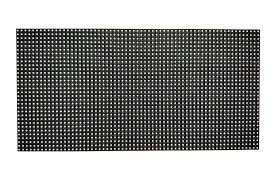
At its core, an LED LCD combines an LCD panel with an LED backlight array. Unlike traditional CCFL (Cold Cathode Fluorescent Lamp) backlighting, LEDs provide superior brightness, color accuracy, and energy savings. They also enable thinner, lighter, and more durable display modules, which meet the growing requirements of various sectors including consumer electronics, automotive, aerospace, medical devices, and digital signage.
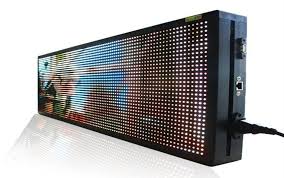
Key Manufacturing Processes
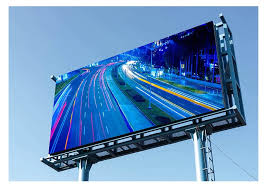
Manufacturing an LED LCD requires precision at every stage:
1. Panel Fabrication: The LCD panel itself involves multiple layers—thin-film transistors (TFTs), glass substrates, polarizers, and liquid crystals. Advanced photolithography techniques form the TFT arrays, enabling high pixel densities often exceeding 300 PPI (pixels per inch) for consumer devices.
2. LED Backlight Assembly: Arrays of white LEDs or RGB LEDs are arranged behind or along the edges of the LCD panel, depending on the backlight architecture (direct-lit or edge-lit). Precision placement is essential to avoid brightness uniformity issues that degrade visual quality.
3. Optical Enhancement Layers: Light guide plates (LGPs), diffusers, and films such as brightness enhancement films (BEFs) aid in spreading light evenly across the display. These layers impact total luminance and contrast ratios, with industry leaders targeting contrast above 3000:1 for premium SDR (Standard Dynamic Range) panels and even higher for HDR-capable displays.
4. Integration and Testing: Post-assembly, each unit undergoes rigorous testing for brightness, color gamut adherence (such as sRGB, AdobeRGB, or DCI-P3 standards), response time, and power consumption. Tolerances are stringent; for example, a variation in brightness less than 5% across the panel is considered the standard in high-end manufacturing.
Technical Parameters and Performance Benchmarks
An authoritative LED LCD screen is evaluated mainly through these critical parameters:
- Brightness: Typical commercial LED LCDs reach 300-500 nits, whereas premium models can exceed 1000 nits, important for outdoor readability.
- Color Gamut: Coverage of at least 100% sRGB is common, with advanced units supporting DCI-P3 or AdobeRGB, essential for professional imaging.
- Contrast Ratio: Static contrast ratios typically range from 1000:1 to 5000:1, depending on the panel type (e.g., IPS, VA).
- Response Time: High-performance screens aim for response times below 5ms to reduce motion blur, vital in gaming and video applications.
- Power Efficiency: Advances in LED technology and driver ICs have led to power reductions of 20-30% compared to prior generations.
Quality Standards and Reliability
Complying with industry standards such as IEC 62368 (Safety), ISO 9241 (Ergonomics of visual display terminals), and MIL-STD-810 (for ruggedized displays) ensures global product acceptance and durability. Additionally, manufacturer adherence to RoHS and REACH regulations guarantees environmental compliance.
Reliability testing involving ambient temperature cycling, humidity exposure, and mechanical stress tests are integral to prevent premature failures such as LED burnout or LCD panel delamination.
Emerging Trends and Case Studies
With the rise of MicroLED and MiniLED backlighting, LED LCDs are continually evolving. MiniLED integration offers finer local dimming zones, enhancing contrast dramatically without the cost or manufacturing complexity of OLEDs. For instance, a 2023 case study by LG Display demonstrated MiniLED backlighting achieving 10,000 nits peak brightness and superior HDR support, setting new industry benchmarks.
Furthermore, automotive display manufacturers are focusing on wide temperature operational ranges (-40°C to +85°C) and extended lifespans (beyond 50,000 operating hours) to meet stringent sector demands. Companies employing in-line automated optical inspection (AOI) and adaptive color calibration have reported defect rates below 0.05%, exemplifying manufacturing precision.
Conclusion
Mastering LED LCD display manufacturing requires an interdisciplinary approach that balances materials science, optical engineering, precision electronics, and rigorous testing standards. By embracing cutting-edge backlight technologies, adhering to global regulations, and optimizing production parameters, engineers and manufacturers can deliver displays that meet the evolving demands of international markets. This deeply technical and quality-driven field remains critical to advancing visual technology worldwide.
References:
- "Display Technologies and Standards," Society for Information Display (SID), 2023.
- IEC 62368-1:2020 Audio/video, information and communication technology equipment – Safety requirements.
- LG Display Technical White Papers, 2023.
- ISO 9241-307:2008 Ergonomics of human-system interaction – Visual display requirements.













