

Advancements and Technical Insights in LED LCD Screen Manufacturing for Optimal Display Performance
In the rapidly evolving field of display technologies, LED LCD screens have become the cornerstone for a wide range of applications, from consumer electronics to commercial digital signage. As a professional LED display engineer with extensive experience in manufacturing, this article provides a comprehensive analysis of LED LCD screen fabrication, highlighting key technical parameters, manufacturing challenges, and emerging industry standards.
LED LCD (Light Emitting Diode Liquid Crystal Display) technology combines LED backlighting with liquid crystal panels to deliver vibrant images, high contrast ratios, and energy-efficient performance. Unlike traditional CCFL (Cold Cathode Fluorescent Lamp) backlights, LED backlighting offers greater control over brightness and enhances color uniformity—factors critical for high-end displays.
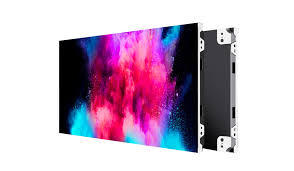
Core Components and Manufacturing Process
The manufacturing of LED LCD screens involves several precision-driven steps. Firstly, the liquid crystal display panel is fabricated using thin-film transistor (TFT) technology on a glass substrate. The TFT array serves as the pixel switch matrix enabling individual pixel illumination and color rendering.
Once the LCD module is prepared, the LED backlight unit (BLU) is integrated. This step uses either edge-lit or direct-lit LED arrangements:
- Edge-lit LED backlighting positions LEDs along the edges of the panel, utilizing light guides to distribute illumination. This method allows thinner panels but can cause brightness uniformity challenges if not precisely engineered.
- Direct-lit LED backlighting places an array of LEDs directly behind the LCD panel, improving brightness consistency and enabling local dimming. Local dimming is vital for achieving high dynamic contrast ratios, meeting or exceeding industry benchmarks like the International Electrotechnical Commission’s standard IEC 62677.
Throughout the assembly process, engineers adhere to stringent quality control measures including uniformity testing (Luminance uniformity > 85% per ANSI standards), color gamut validation against NTSC or DCI-P3 requirements (often aiming for ≥ 90% coverage), and response time evaluation (targeting< 8 ms for most consumer displays).
Challenges in LED LCD Manufacturing
One of the principal challenges is managing heat dissipation. LEDs generate localized heat that can affect the liquid crystal’s performance. Advanced thermal interface materials (TIMs) and metal core printed circuit boards (MCPCBs) are widely adopted to regulate temperatures, ensuring reliability over extended usage cycles. For example, leading manufacturers implement copper heat spreaders and thermally conductive adhesive films to maintain junction temperatures below 85°C, which aligns with JEDEC (Joint Electron Device Engineering Council) recommendations.
Another challenge lies in minimizing light leakage and color shifting, especially at wider viewing angles. To address this, manufacturers employ advanced polarizer films and In-Plane Switching (IPS) LCD panels. IPS technology enhances color fidelity and angular performance, essential for professional monitors and televisions.
Emerging Trends and Standards
The integration of quantum dot enhancement films (QDEF) in LED LCD manufacturing is revolutionizing color performance. Quantum dots can shift LED spectrum emission to precise wavelengths, thereby increasing color volume and brightness. This innovation supports compliance with emerging standards such as UHD Alliance’s Ultra HD Premium certification and supports HDR (High Dynamic Range) content, which demands contrast ratios exceeding 1000:1 and peak luminance levels surpassing 600 cd/m².
Furthermore, flexible and transparent LED LCD displays are gaining traction for specialized applications such as automotive HUDs (Heads-Up Displays) and wearable devices. These screens often utilize flexible OLED backlighting in tandem with LCD substrates to merge flexibility with durability.
Practical Considerations for Manufacturers
For manufacturing engineers, optimizing LED LCD screen production entails balancing cost, performance, and durability. Material selection—from the LED semiconductor (often InGaN or AlGaInP depending on wavelength) to the liquid crystal mixture—demands careful evaluation. For instance, multiple studies (e.g., by the Society for Information Display) have demonstrated that dynamic backlight control combined with adaptive refresh rates can reduce power consumption by up to 30% without compromising image quality.
Moreover, adherence to environment-related regulations, such as RoHS (Restriction of Hazardous Substances) and WEEE (Waste Electrical and Electronic Equipment), reinforces sustainability in manufacturing processes. Using recyclable materials and minimizing hazardous components is no longer optional but a necessary standard in global markets.
Conclusion
As LED LCD technology continues to advance, manufacturers must integrate cutting-edge materials, precise engineering, and rigorous testing to produce displays that meet the high expectations of today’s consumers and industry professionals. The synergy between LED backlight innovations, liquid crystal display improvements, and quality standards ensures superior screen performance, longevity, and energy efficiency, safeguarding the leadership of LED LCDs in the competitive display market.
By appreciating the complex interplay of electronics, optics, and materials science, as well as adhering to international standards and best practices, LED display engineers can push the boundaries of what LED LCD screens can achieve in both mainstream and specialized applications.













