

Advanced Insights into LED Display Technology: Applications, Advantages, Challenges, and Emerging Trends
In the rapidly evolving landscape of digital display technology, LED displays have become the cornerstone for delivering vibrant, high-definition visual content across various commercial, industrial, and consumer sectors. As a professional engineer specializing in LED and LCD screen manufacturing, this article provides an in-depth exploration of LED display technology, drawing on industry standards such as the Illuminating Engineering Society (IESNA) guidelines and real-world case studies to highlight its practical applications, inherent advantages, common issues, and the latest market trends shaping the future of display solutions.
Practical Applications of LED Displays
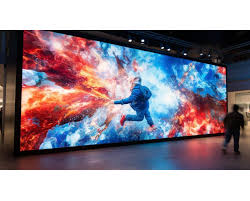
LED (Light Emitting Diode) displays are widely used across multiple domains due to their scalability, brightness, and energy efficiency. In outdoor advertising, LED billboards operate under extreme environmental conditions, offering superior brightness levels typically ranging from 6,000 to 12,000 nits, enabling visibility even under direct sunlight. Indoor LED displays are common in retail environments, corporate lobbies, broadcast studios, and control rooms, where pixel pitches range from 0.9mm to 6mm, delivering crystal-clear imagery and video.
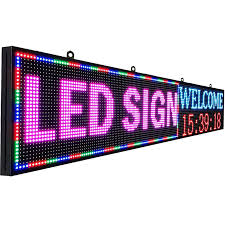
In transportation hubs like airports and train stations, LED displays provide vital real-time information with high refresh rates—up to 3,840Hz—to minimize flicker on camera systems. Additionally, professional sports venues utilize massive LED screens, sometimes exceeding 800 square meters, offering dynamic content with high contrast ratios (up to 10,000:1) that enhance spectator engagement. The medical field employs specialized LED displays with strict calibration protocols and wide color gamut coverage for diagnostic imaging and surgical assistance.
Advantages of LED Display Technology
One of the most significant advantages of LED displays lies in their energy efficiency. Compared to traditional LCDs with backlighting, LEDs consume roughly 30-50% less power while delivering superior luminance and color saturation. They also boast exceptional longevity, with lifespan ratings commonly exceeding 100,000 hours under typical operating conditions. This durability reduces Total Cost of Ownership (TCO) over the long term.
LED technology inherently offers superior color accuracy and dynamic range. Thanks to the ability to control each pixel’s intensity individually, LED displays can achieve true blacks and bright whites simultaneously, offering contrast ratios impossible on most LCD screens. This characteristic is particularly valuable in cinema-grade and professional content creation environments.
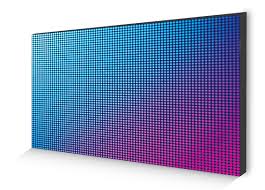
Moreover, LED displays provide excellent scalability and modularity. Panels can be seamlessly combined to form enormous video walls without visible bezels, and modular designs simplify maintenance and upgrades. Their quick response times (often below 1 millisecond) make them ideal for interactive displays and real-time visualization applications.
Common Challenges and Solutions
Despite their advantages, LED displays face several engineering challenges that practitioners must address. Heat dissipation remains a primary concern; high-brightness LEDs generate considerable heat that can diminish lifespan and performance. Implementation of effective thermal management systems, such as integrated heat sinks and forced-air cooling, is essential.
Calibration and uniformity also present ongoing difficulties. Variations in LED binning and aging may cause color shifts and brightness inconsistencies over time. Utilizing advanced calibration tools, including colorimeters and automated software with feedback loops, enables manufacturers to maintain consistent display quality adhering to standards like Rec. 709 and DCI-P3.
Another frequent problem involves pixel failure or “dead pixels,” which can degrade user experience, especially in large-scale displays. Employing redundancy strategies in pixel driving circuits and routine maintenance protocols helps mitigate this issue effectively.
Signal integrity, particularly in high-resolution LED video walls, is critical. Losses due to electromagnetic interference and data transmission delays can cause image artifacts or frame drops. Designers rely on high-quality shielded cables, signal repeaters, and power isolation measures to ensure stable performance.
Latest Trends in LED Display Technology
The LED display industry continues to innovate, driven by demand for higher resolution, enhanced user interactivity, and environmentally sustainable solutions. One prominent trend is the development of microLED technology, which integrates microscopic LEDs to achieve pixel densities exceeding 10,000 pixels per inch. This advancement promises superior brightness, ultra-wide color gamut, and dramatically lower power consumption, paving the way for next-generation smartphones, AR/VR devices, and ultra-thin televisions.
Another significant trend is the adoption of AI-powered calibration systems using machine learning algorithms that dynamically optimize color balance and brightness in response to ambient lighting conditions and content changes. This ensures a consistently superior viewing experience with minimal manual intervention.
Flexible and transparent LED displays are gaining traction, enabling novel design possibilities in automotive head-up displays, architectural glass facades, and wearable devices. These innovations broaden the scope of LED usage beyond traditional rigid screens.
Sustainability is also influencing manufacturing processes, with a push toward lead-free alloys and recyclable materials conforming to RoHS and WEEE directives, minimizing environmental impact.
Conclusion
LED display technology remains at the forefront of digital visualization due to its unparalleled brightness, color fidelity, and versatility across applications. An understanding of its practical uses, coupled with knowledge of engineering challenges and the latest technological trends, empowers professionals to design and deploy displays that meet increasingly sophisticated market demands. Staying current with industry standards such as IEC 62087 for energy consumption measurement and continually adopting emerging innovations ensures LED displays will continue to revolutionize the viewing experience globally.













