

Advanced Insights into LED LCD Screen Manufacturing: Applications, Advantages, Challenges, and Emerging Trends
The manufacturing of LED LCD screens represents a pivotal area in display technology, merging the principles of Liquid Crystal Display (LCD) and Light Emitting Diode (LED) backlighting to deliver high-performance visual solutions. This article delves into the intricacies of LED LCD screen manufacturing, highlighting practical applications, key advantages, common challenges, and the latest advances shaping the industry.
Technical Foundations and Manufacturing Process
LED LCD screens comprise an LCD panel illuminated by an array of LEDs serving as the backlight source. The typical LCD panel consists of layers including polarizers, glass substrates embedded with liquid crystals, thin-film transistors (TFTs) for pixel control, and color filters.
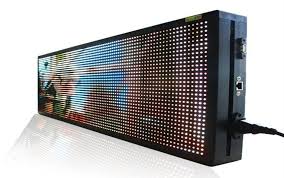
Manufacturing involves precise integration of these components under cleanroom conditions to maintain integrity and performance. Hyundai Mobis' manufacturing standards (Hyundai Mobis LCD Guidelines, 2023) emphasize strict control over alignment precision, response times, and uniformity of LED backlighting to optimize contrast ratio and color accuracy.
Standard parameters include:
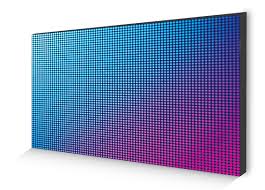
- Resolution: Commonly ranges from Full HD (1920x1080) to 4K UHD (3840x2160) and increasingly 8K for premium displays.
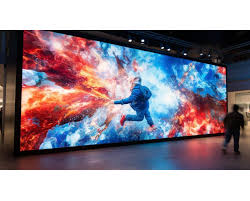
- Brightness: Typically between 300 to 1000 nits, with higher-end models reaching 1500 nits suitable for HDR content.
- Refresh Rate: Standard at 60Hz, with gaming and professional displays supporting 120Hz to 240Hz to reduce motion blur.
- Color Gamut: Coverage of NTSC 72% to Adobe RGB 99% differentiates display quality tiers.
Practical Applications
LED LCD displays are ubiquitous, ranging from consumer electronics such as televisions, laptops, and smartphones to specialized professional uses in medical imaging, aerospace instrumentation, and automotive dashboards.
In automotive industry, for instance, LED LCD screens offer adaptable brightness for various lighting conditions, low power consumption crucial for electric vehicles (EVs), and enhanced durability against vibration and temperature fluctuations. The emergent integration of curved and flexible LED LCD panels has also enabled novel form factors in wearable devices and foldable displays.
In aerospace and defense, LED LCDs adhere to MIL-STD-810 standards to endure harsh environments, facilitating mission-critical data visualization with high reliability and visibility.
Advantages
1. Improved Energy Efficiency: Compared to traditional CCFL (Cold Cathode Fluorescent Lamp) backlighting, LED backlights consume up to 30% less power, which contributes to reduced operational costs and extended battery life in portable devices.
2. Superior Picture Quality: LED backlighting enhances color accuracy, contrast ratios (often exceeding 5000:1), and uniform luminance distribution, resulting in sharper, vibrant images.
3. Slimmer Design: LEDs’ compact size allows thinner panel assemblies, enabling ultra-slim monitors and TVs.
4. Longer Lifespan and Reliability: LEDs have a longer mean time between failures (MTBF) of approximately 50,000 hours, providing stable luminance over extended use, unlike CCFLs which dim faster.
Common Challenges
Despite their advantages, LED LCD screens pose technical challenges—most notably:
- Backlight Bleeding: Uneven LED backlight leakage can reduce display contrast and impair viewing experience, often mitigated by improved edge-lit designs or direct LED arrays with local dimming.
- Heat Dissipation: High-brightness LEDs generate heat that affects both the LCD panel and surrounding electronics; comprehensive thermal management, including heat sinks and advanced materials, is critical.
- Color Shift: Variations in color reproduction when viewed off-axis remain a concern, particularly in VA (Vertical Alignment) LCD panels, demanding careful panel selection and optical enhancements.
- Manufacturing Yield: The complexity of assembling TFT arrays and backlight modules can lead to defective pixels or module inconsistencies, necessitating rigorous quality control protocols per ISO 13485 standards.
Emerging Trends and Innovations
The LED LCD segment continues to evolve, driven by consumer demand and technological breakthroughs:
- Mini-LED and Micro-LED Backlighting: Incorporating thousands of miniature LEDs provides precise local dimming zones, elevating contrast ratios to OLED-competitive levels while maintaining LCD advantages in brightness. For instance, mini-LED TVs like those certified by Dolby Vision produce peak luminances beyond 2000 nits with superior HDR performance.
- Quantum Dot Enhancement Films (QDEF): By embedding quantum dots in the LED backlight path, screens achieve wider color gamuts close to DCI-P3 or Rec. 2020 standards, enhancing color fidelity in broadcast and cinema applications.
- Flexible and Transparent LED LCDs: Advances in flexible substrates and printable electronics are enabling bending, folding, and transparency, opening applications in augmented reality (AR) glasses and smart windows.
- AI-enhanced Display Calibration: Integration of machine learning algorithms for real-time color calibration compensates for environmental lighting changes and panel aging, ensuring consistent visual quality.
Conclusion
Manufacturing LED LCD screens is a complex yet critically important domain integrating materials science, precision engineering, and optical innovation. Its broad range of practical applications, from consumer electronics to rigorous industrial environments, underscores the technology’s versatility. While challenges such as backlight uniformity and heat management persist, ongoing trends like mini-LED implementation and quantum dot technologies promise to elevate LED LCD displays to new performance benchmarks.
By adhering to established manufacturing standards and investing in research driven by market demands, manufacturers can continue delivering LED LCD screens that meet the world’s high expectations for vivid imagery, reliability, and energy efficiency.
References:
- Hyundai Mobis LCD Manufacturing Guidelines, 2023
- ISO 13485: Medical devices – Quality management systems
- MIL-STD-810, Environmental Engineering Considerations
- Dolby Laboratories, Dolby Vision HDR Certification Data, 2024
- SID (Society for Information Display), Display Industry Trends & Technology Reports, 2023-2024













