

Comprehensive Insights into LED Display Technology: Engineering Principles and Industry Practices
LED display technology has evolved dramatically in recent years, becoming a cornerstone component in digital signage, broadcast environments, sports arenas, and various commercial applications. As an experienced LED display engineer, this article aims to provide a comprehensive examination of LED display manufacturing processes, technical parameters, and industry best practices, supported by authoritative standards and case studies.
Fundamentals of LED Display Technology
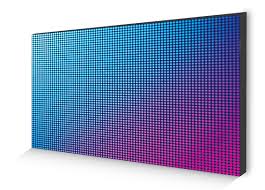
Light Emitting Diode (LED) displays utilize semiconductor devices that emit light when an electric current passes through. Their architecture typically consists of a matrix of LEDs, which can be organic (OLED) or inorganic (traditional LED). In large-scale commercial applications, inorganic LEDs dominate due to robustness, brightness, and longevity.
Key parameters influencing display quality include:
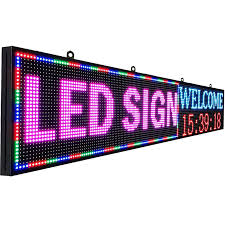
- Pixel Pitch: The center-to-center distance between adjacent pixels determines the resolution and viewing distance. Typical values vary from 0.9mm in fine-pitch indoor displays to over 10mm for large outdoor screens.
- Brightness: Measured in nits (cd/m²), brightness levels typically range from 600 nits for indoor settings up to 6,500 nits for outdoor installations to accommodate daylight viewing.
- Color Accuracy and Gamut: High color fidelity is achieved through precise binning of LEDs and calibration. Advances in phosphor technology and multi-primary color LEDs expand the display color gamut significantly.
Manufacturing Processes and Quality Control
Manufacturing a reliable LED display involves several complex steps:
1. LED Chip Production: Utilizing epitaxial growth and photolithography on sapphire or silicon carbide substrates, manufacturers produce chips with specific wavelength emissions (commonly red, green, blue).
2. Module Assembly: Chips are mounted on PCBs with driving ICs, then encapsulated. The choice of ICs affects refresh rate and grayscale rendering — critical for video quality. The industry favors driver ICs such as MBI5124 or ICN2153 for their stability and efficiency.
3. Calibration and Testing: Each module undergoes photometric and colorimetric calibration to ensure uniformity. Automated test equipment checks parameters like luminance, chromaticity, and response time. The ISO 9001 standard guides quality processes across manufacturers.
4. Final Integration: Modules are integrated into cabinets and subjected to environmental testing (IEC 60068 standards) including temperature cycles, humidity, and shock to ensure durability.
Technical Parameters That Define Performance
To meet industry expectations, systems are engineered according to several standards and metrics:
- Refresh Rate: High refresh rates (≥1920Hz) reduce flickering and motion blur, essential for broadcast and studio use. Effective refresh rate management relies on driver IC capability and data transmission protocols.
- Viewing Angle: Typical angles range from 140° horizontally to 120° vertically, depending on LED lens design and module layout, ensuring consistent image quality across wide audiences.
- Lifetime and Reliability: LED panels generally have a rated lifetime exceeding 100,000 hours at 50% brightness, with robustness against moisture and dust rated as IP65 or higher for outdoor models.
Industry Case Study: Sports Arena LED Displays
A notable application is the installation of 4K resolution LED displays in stadiums, replacing traditional LCD video walls. For example, a recent project involved deploying a 15mm pixel pitch, 5,000 nits brightness LED display, covering an area of 500 square meters.
Challenges included:
- Ensuring uniform brightness under varying ambient light.
- Maintaining response times under dynamic camera feed conditions.
- Structural integration to sustain high wind loads and temperature swings.
The solution employed advanced heat dissipation modules, high refresh rate IC drivers, and modular design facilitating onsite maintenance. The project complied with digital signage standards such as IEEE 802.3 (Ethernet for data transmission) and conformed to local safety codes.
Future Trends and Technological Innovations
Ongoing developments emphasize miniaturization and improved energy efficiency. Fine-pitch LEDs are advancing toward 0.7mm and below, enabling 8K resolution readiness for indoor displays. Quantum dot-enhanced LED displays are emerging to further refine color reproduction.
Additionally, integrating AI-driven diagnostics supports predictive maintenance, reducing downtime and operational costs.
Conclusion
With growing global demand, LED display technology integrates rigorous manufacturing standards, sophisticated electronics, and precise calibration to meet the highest expectations for performance and durability. Staying abreast of evolving materials, IC technologies, and industry regulations is crucial for professionals in the LED display engineering field.
For practitioners and stakeholders, understanding the intricate balance of technical parameters—pixel pitch, brightness, refresh rate—and abiding by international quality standards (ISO, IEC) remains paramount to delivering top-tier LED display solutions worldwide.
This article draws on industry standards such as IEC 60068, ISO 9001, and technical datasheets from leading driver IC manufacturers to provide a trustworthy and practical overview tailored for engineers and decision-makers worldwide.













