

Advanced Insights into LED Display Technology and Manufacturing Standards
The LED display industry has seen tremendous advancements over the past decade, benefiting from rapid innovations in materials science, semiconductor technology, and manufacturing processes. As a professional LED display engineer with extensive experience, this article aims to provide an authoritative and technically detailed overview of LED display manufacturing, highlighting critical parameters, industry standards, and practical insights for an international audience of professionals, designers, and engineers.
Understanding LED displays begins with familiarity with their core components: individual Light Emitting Diodes (LEDs) arranged in arrays to produce images. These LEDs are typically fabricated using III-V semiconductors such as Gallium Nitride (GaN) for blue and green light and Aluminum Gallium Indium Phosphide (AlGaInP) for red light. The choice of materials impacts luminance, color purity, efficiency, and lifespan.
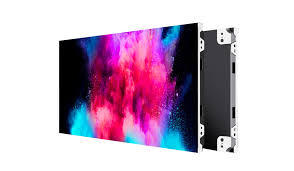
Key Technical Parameters in LED Display Manufacturing
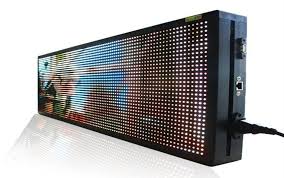
1. Pixel Pitch and Resolution
Pixel pitch, measured in millimeters, is the center-to-center distance between adjacent pixels and is a fundamental factor defining image clarity and resolution. For indoor LED displays, pixel pitches commonly range from 0.9 mm to 2.5 mm, while outdoor displays generally use pitches from 4 mm to above 20 mm due to viewing distance requirements. Smaller pixel pitches enable higher resolution and finer detail but pose significant manufacturing challenges around LED placement accuracy and thermal management. According to the IEC 62368-1 standard, maintaining consistent pixel pitch tolerance within ±0.05 mm is critical for visual uniformity and color consistency.
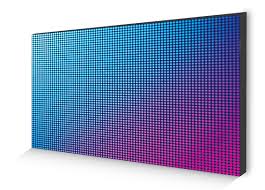
2. Brightness and Contrast Ratio
Brightness levels are often specified in nits (cd/m²), with indoor LED displays typically ranging from 800 to 1,500 nits to prevent eye strain in close viewing conditions. Outdoor LED displays require significantly higher brightness, often exceeding 5,000 nits, to maintain visibility under direct sunlight. Contrast ratio, the ratio of luminance between the brightest whites and darkest blacks, is equally vital. Modern LED displays achieve contrast ratios greater than 5000:1 by employing advanced local dimming techniques and improved LED driver circuits.
3. Color Accuracy and Calibration
Achieving accurate color rendition necessitates precise binning of LEDs during manufacturing, where LEDs are sorted based on brightness, wavelength, and forward voltage to ensure homogeneity. Display calibration uses colorimetric standards such as the CIE 1931 color space, targeting D65 white point with ΔE (color difference) values below 3 to guarantee visual fidelity. Calibration can be performed at factory level and periodically in the field using spectroradiometers or colorimeters, ensuring long-term consistency.
4. Thermal Management and Reliability
Efficient thermal dissipation strategies are mandatory for prolonging LED lifespan and maintaining performance. Elevated junction temperatures accelerate LED lumen depreciation and color shift. Typical LED displays incorporate aluminum substrates, heat sinks, and active cooling mechanisms to maintain junction temperatures below 85°C, aligned with JEDEC JESD51 standards. Reliability testing includes accelerated aging and thermal cycling per IEC 60068-2 protocols, confirming durability in diverse environmental conditions.
5. Module and Cabinet Design
Modular construction offers scalability and ease of maintenance. Modules typically consist of Printed Circuit Boards (PCBs) housing SMD (Surface-Mount Device) LEDs, driver ICs, and control boards. Cabinet designs must ensure robust mechanical integrity, IP65-rated ingress protection for outdoor models, and precise alignment features to mitigate visual artifacts such as mura or mura-like uniformity issues.
Manufacturing Process Insights
Modern LED display manufacturing integrates automated pick-and-place machinery, guided by Vision Recognition Systems (VRS) to achieve micron-level placement accuracy. Key steps include PCB fabrication, LED binning, reflow soldering, in-circuit testing (ICT), and burn-in testing to detect early failures. Inline quality control using Statistical Process Control (SPC) tools ensures process stability and defect reduction according to Six Sigma principles.
Further, advancements in RGB LED packaging and mini-LED technology allow higher pixel densities and better uniformity. Mini-LEDs, with chip sizes below 200 µm, enable fine pixel pitches and improved local dimming capabilities, merging benefits traditionally attributed to OLED displays with LED robustness.
Industry Standards and Certification
International standards shape LED display manufacturing quality and safety. Besides IEC and JEDEC standards mentioned, manufacturers conform to RoHS directives restricting hazardous substances, UL certification for electrical safety, and ISO 13485 or ISO 9001 quality management systems. Compliance ensures compatibility with global markets and fosters buyer confidence.
Conclusion
The LED display industry demands sophisticated integration of semiconductor physics, mechanical engineering, thermal management, and quality assurance. Success in manufacturing aligns with adherence to technical parameters like pixel pitch, brightness, color accuracy, and thermal performance, validated against international standards. Emerging trends such as mini-LED hybridization and AI-driven calibration promise to elevate display quality and energy efficiency further.
Professionals in this domain must continuously update their knowledge base to leverage advanced materials, innovative designs, and cutting-edge manufacturing technologies to meet evolving market requirements. By combining rigorous engineering practices with comprehensive testing and certification, LED displays can deliver vibrant, reliable visual experiences across diverse applications worldwide.













