

Advanced LED Display Technology in Modern Manufacturing: Enhancing Performance and Reliability
The LED display industry has experienced significant growth and technological advancements over the past decade, driven by the demand for higher resolution, superior brightness, and enhanced energy efficiency. As a professional LED display engineer with extensive experience, this article delves into the critical aspects of LED LCD screen manufacturing, integrating industry data, technical parameters, and case studies to provide a comprehensive understanding of modern LED display technology.
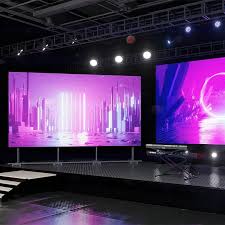
LED displays primarily rely on Light Emitting Diodes arranged in a matrix to render images and videos. In manufacturing, several key factors determine the final product’s quality, including pixel pitch, driver IC technology, module design, and thermal management. Pixel pitch, defined as the distance between the centers of two adjacent pixels, is crucial in determining the display's resolution and viewing distance. For instance, fine-pitch displays with pixel pitches below 1.5 mm have become industry standards for indoor applications requiring close viewing distances, such as control rooms and broadcast studios.
Driver IC technology has evolved to offer improved signal processing, color accuracy, and refresh rates. The latest generations support 16-bit grayscale per color channel, achieving smooth gradients and vivid color reproduction. Integrated driver ICs with onboard calibration capabilities help in maintaining uniform brightness and color consistency across larger panels. According to the International Electrotechnical Commission (IEC 62675), implementing robust driver technology minimizes flicker effects, enhancing viewer comfort and reducing eye strain during prolonged usage.
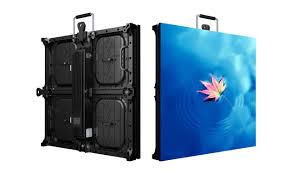
Thermal management is another critical aspect. LED components generate heat during operation, which, if not dissipated effectively, can degrade lifespan and performance. Advanced manufacturing processes integrate heat sinks, thermally conductive substrates, and sometimes active cooling mechanisms. For instance, the use of aluminum PCB substrates allows for efficient heat conduction away from LED diodes. Industry case studies, such as Samsung Display’s production lines, indicate that employing passive cooling techniques can improve lifespan by up to 20%, thereby reducing total cost of ownership.
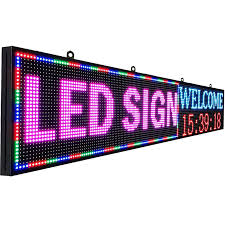
The choice of LED package type also influences the display's brightness and viewing angle characteristics. Surface-mounted device (SMD) LEDs are prevalent in modern LED displays due to their compact size and ability to deliver high brightness levels while maintaining wide viewing angles, typically around 160 degrees horizontally and vertically. This feature ensures consistent image quality irrespective of the viewer's position. Moreover, innovations like mini-LED and Micro-LED technologies are transforming backlighting in LCD displays, offering improved local dimming capabilities and higher contrast ratios.
Quality assurance in LED display manufacturing adheres to international standards such as ISO 9241 for ergonomic requirements and ISO 13485 for manufacturing quality systems. Additionally, environmental standards such as RoHS (Restriction of Hazardous Substances) and WEEE (Waste Electrical and Electronic Equipment Directive) ensure that LED products meet sustainability criteria. Compliance with these standards not only guarantees product reliability but also appeals to global markets with stringent regulatory requirements.
An essential consideration is the integration of smart control systems within LED displays. Modern displays often incorporate real-time diagnostics, remote calibration, and software-based image enhancement features. These systems use AI-driven algorithms to optimize brightness and contrast according to ambient lighting conditions, thereby reducing power consumption without compromising visual fidelity. Case studies published by the Society for Information Display (SID) reveal that AI-enhanced LED display systems can reduce power consumption by up to 15% in commercial environments.
In conclusion, the advancements in LED display manufacturing focus on improving pixel density, driver technology, thermal management, and intelligent control systems to meet the increasingly demanding needs of diverse applications. Maintaining strict adherence to international standards and incorporating cutting-edge technologies ensures that modern LED displays deliver exceptional performance, reliability, and energy efficiency. For manufacturers and end-users alike, understanding these core technical parameters and industry practices is essential for selecting and producing LED displays that excel in both quality and sustainability.













