

5-faces Cube LED Display Technology and Applications
The 5-faces cube LED display represents an innovative advancement in digital signage technology, designed to deliver panoramic visual communication in a compact and versatile form. As LED display technology rapidly evolves, multi-faceted display units such as the 5-faces cube have become increasingly prominent in advertising, event management, retail, and public information systems. This article explores the technical foundations, design configurations, performance parameters, and real-world applications of 5-faces cube LED displays, aiming to provide industry professionals and technology enthusiasts with in-depth insight into this dynamic display solution.
Technical Overview and Configuration
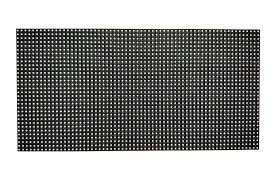
A 5-faces cube LED display typically consists of five independent LED panels that are seamlessly integrated into a cubic frame missing one face — usually the rear or bottom panel — to allow mounting and ventilation. Each face is an LED display module equipped with high-density SMD (Surface Mount Device) LEDs, commonly adopting a pixel pitch ranging from 1.25mm to 4mm depending on the intended viewing distance and resolution requirements.
The cube’s design enables simultaneous multi-directional viewing, as each face delivers distinct or synchronized content. This multi-view characteristic significantly enhances audience engagement in crowded, 360-degree environments such as shopping malls, trade shows, and sports venues. More sophisticated models support dynamic content switching and 3D visualization effects by utilizing advanced video processors and controllers compliant with industry standards such as HDMI 2.0 and DVI interfaces for high-bandwidth video transmission.
Key Technical Parameters
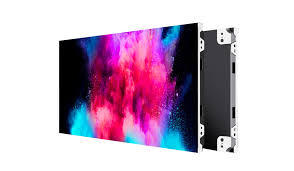
- Pixel Pitch: Generally between 1.25mm and 4mm. The smaller the pitch, the higher the resolution and clearer the image in close viewing scenarios.
- Brightness: Typical 5-faces cubes deliver brightness levels from 800 to 1200 nits, ensuring visibility under ambient indoor or semi-outdoor lighting.
- Refresh Rate: High refresh rates (≥1920 Hz) are crucial for smooth video playback and flicker-free images, complying with broadcast standards.
- Viewing Angle: Wide viewing angles (≥120° horizontal and vertical) provide uniform brightness and color consistency across the multi-faceted display surfaces.
- Control System: Utilizing advanced synchronous control systems with support for real-time content management via network connectivity (Wi-Fi, Ethernet), enabling remote updates and content scheduling.
- Thermal Management: Efficient heat dissipation is essential in cube configurations due to compactness; most designs include integrated heat sinks and cooling fans.
Manufacturing and Assembly Challenges
Producing a 5-faces cube LED display requires meticulous precision in module alignment and sealing to avoid gaps that can compromise image continuity and aesthetic appeal. The angular edges must be engineered to maintain structural integrity and optimize viewing angles without distortion. Additionally, considerations for cable routing and power supply integration are crucial for maintenance ease and operational reliability.
Applications and Case Studies
The unique form factor of the 5-faces cube LED display makes it ideal for environments requiring multi-directional visibility:
- Retail Environments: In luxury stores, the 5-faces cube is mounted over central spaces to showcase promotional content and product highlights, maximizing customer engagement from different aisles.
- Event Venues: Used in concert halls and convention centers to provide real-time information, advertisements, and immersive visual effects visible from different seating areas.
- Transportation Hubs: Airports and train stations deploy these cubes for dynamic wayfinding, air traffic updates, and advertising, leveraging their omnidirectional display capabilities.
For instance, a high-profile project by a global retail brand integrated 5-faces cube LED displays across flagship stores worldwide, leading to a 20% increase in customer interaction with digital promotional material as documented by Nielsen Retail Research.
Future Trends
As LED technology evolves, the next generation of 5-faces cube displays is expected to feature finer pixel pitches (sub-1mm), higher HDR (High Dynamic Range) support, and integration with AI-powered content optimization systems. Moreover, modular design enhancements will improve scalability and ease of maintenance, underscoring the growing role of these displays in immersive digital experiences.
Conclusion
The 5-faces cube LED display epitomizes a convergence of technological sophistication and innovative design, enabling brands and venues to capture attention from multiple viewing angles simultaneously. Its combination of high resolution, brightness, and multi-directional visibility positions it as an essential digital signage solution in the international marketplace. When selecting or designing a 5-faces cube LED display, close attention must be given to pixel pitch, brightness, refresh rates, and heat management to ensure optimal performance and longevity.
References:
- IEC 60598-1: LED Display Safety and Performance Standards
- Smartsign LED Technology Whitepaper, 2023
- Nielsen Retail Engagement Report, 2022
- IEC 62031: LED modules for general lighting – safety specifications
By understanding the detailed technical parameters and application contexts of the 5-faces cube LED display, engineers and marketers alike can optimize their deployment strategies for maximum impact.













