

Advanced LED Display Manufacturing: Technical Insights and Industry Best Practices
In the rapidly evolving world of visual technology, LED displays have solidified their position as the cornerstones of modern digital signage, broadcast, and consumer electronics. As a professional LED display engineer with extensive experience in manufacturing processes, design optimization, and quality assurance, I will provide a comprehensive overview of advanced LED display manufacturing, combining technical parameters, industry standards, and practical implementation insights.
Introduction
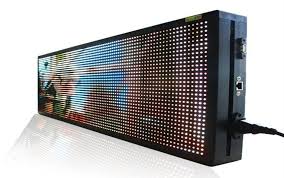
LED (Light Emitting Diode) displays have revolutionized the way we convey information and entertainment. From small wearable devices to large-scale outdoor digital billboards, LED technology offers unparalleled brightness, energy efficiency, and longevity. The intensive development of LED LCD (liquid crystal display) hybrid technologies has further expanded display solutions. This article unpacks the key technical considerations and best manufacturing practices that govern the production of high-performance LED displays, ensuring optimal visual fidelity, reliability, and cost-effectiveness.
Main Body
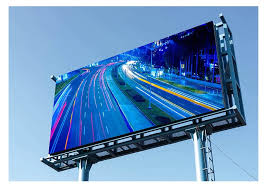
1. Understanding LED Display Technology Fundamentals
At the core of any LED display lies the diode’s ability to emit light efficiently when electrically stimulated. LED displays consist of tightly packed pixels, each containing sub-pixels in red, green, and blue (RGB) to produce a full range of colors. Critical parameters influencing visual output include:
- Pixel Pitch: Defined as the distance (in millimeters) between the centers of two adjacent pixels. Smaller pixel pitches result in higher resolution and closer optimal viewing distances. For example, indoor LED displays use pixel pitches between 1.2mm to 4mm, while outdoor displays typically range from 6mm to 20mm.
- Brightness Levels: Measured in candelas per square meter (cd/m² or nits). Indoor displays generally operate around 800–1200 nits, while outdoor displays require 4500 nits or higher to combat sunlight glare.
- Refresh Rate: The speed at which the display's image is refreshed, measured in hertz (Hz). Professional LED displays often feature refresh rates above 1920 Hz to prevent flickering and ensure smooth motion, especially critical in broadcasting.
2. Manufacturing Process and Quality Control
Manufacturing LED displays involves several meticulous steps:
- Substrate Preparation and PCB Fabrication: High-quality printed circuit boards (PCBs) form the backbone supporting LEDs and driving chips. Materials with excellent thermal conductivity, such as aluminum-based PCBs, are preferred to efficiently dissipate heat.
- Pick-and-Place Assembly: Precision automated machinery places SMD (surface-mounted device) LEDs onto PCBs. Cutting-edge machines achieve placement accuracy within ±10 microns, which is vital for consistent pixel alignment.
- Soldering and Encapsulation: Reflow soldering ensures solid electrical connections. LEDs are encapsulated with epoxy or silicone to protect against moisture and mechanical stress, enhancing durability.
- Module Testing and Calibration: Each module undergoes rigorous tests, including luminance uniformity, color accuracy, and electrical safety. Calibration using spectroradiometers ensures compliance with color gamut standards such as NTSC or Rec.709, tailored to application needs.
Industry standards such as IEC 62031 (LED modules for general lighting) and ISO 9241-307 (image quality for electronic displays) guide these quality control measures, ensuring consistency and safety.
3. Thermal Management and Reliability
One of the most critical challenges in LED display manufacturing is thermal management. Excess heat shortens LED lifespan and degrades color performance. Strategies include:
- Employing thermally conductive dielectrics and heat sinks.
- Designing airflow-optimized enclosures.
- Integrating temperature sensors with real-time monitoring systems.
Research indicates that maintaining junction temperatures below 85°C significantly improves LED longevity, achieving upwards of 100,000 operational hours under optimal conditions.
4. Innovations and Trends in LED Display Manufacturing
Recent advancements focus on:
- MicroLED Technology: Delivering ultrahigh resolution and contrast by using microscopic LEDs as individual pixels.
- Flexible and Transparent Displays: Enabled by flexible PCB substrates and novel encapsulants, expanding applications in automotive and wearable markets.
- Energy Efficiency Improvements: Applying novel phosphor coatings and driver ICs to reduce power consumption while maintaining brightness.
Additionally, environmental compliance, represented by standards like RoHS (Restriction of Hazardous Substances) and WEEE (Waste Electrical and Electronic Equipment Directive), is becoming integral, ensuring sustainable manufacturing and disposal practices.
Conclusion
As LED displays continue to penetrate diverse sectors from advertising to medical diagnostics, mastering the intricacies of their manufacturing is critical for engineers and manufacturers alike. A precise understanding of pixel architecture, thermal design, assembly accuracy, and compliance with international standards forms the foundation of producing reliable and visually superior LED displays. Looking forward, technologies such as MicroLED and integration of AI-driven calibration will further enhance display performance and customization.
By adhering to best practices and harnessing industry innovations, LED display manufacturing will sustain its trajectory of growth while meeting the escalating demands for visual excellence and energy efficiency worldwide.













