

Transport Digital Signage Outdoor Solutions: Enhancing Mobility and Communication
In today’s rapidly evolving transportation sector, outdoor digital signage has become a critical tool for enhancing passenger experience, improving operational efficiency, and delivering real-time information. As cities grow and mobility demands increase, transportation agencies and service providers are deploying advanced LED digital signage systems specifically designed for outdoor environments. This article explores the technical parameters, industry standards, and best practices involved in implementing effective transport digital signage outdoor solutions.
The deployment of digital signage in transport settings—such as bus stops, train stations, airports, and transit hubs—requires specialized engineering considerations. Unlike indoor displays, outdoor signage must withstand challenging environmental conditions including intense sunlight, rain, temperature fluctuations, dust, and pollution. To address these, displays typically feature high IP ratings (Ingress Protection ratings), with values of IP65 or higher being essential for protection against dust and water ingress. Alongside this, robust mechanical enclosures are employed to shield internal electronics from physical damage and vandalism.
Brightness and visibility are paramount for outdoor transport signage. To ensure clear readability under direct sunlight, LED displays are engineered with luminance levels ranging from 5,000 to 7,500 nits. This high brightness capability, coupled with sophisticated ambient light sensors, automatically adjusts the screen’s luminosity to optimize viewing clarity while conserving energy during nighttime or low-light conditions. The LED modules typically employ SMD (Surface-Mounted Device) technology, which offers wide viewing angles of up to 160° horizontally and vertically, ensuring passengers can quickly view information from various vantage points.

Transport digital signage performs multiple functions: displaying schedules, route information, emergency alerts, and advertising content. Real-time updates via integrated IoT (Internet of Things) systems and cloud-based management platforms ensure that information is accurate and consistent. According to the Digital Signage Federation and UITP (International Association of Public Transport) guidelines, successful transport signage solutions should maintain a refresh rate of at least 60Hz to avoid ghosting and deliver smooth video playback, essential for dynamic content such as train arrival countdowns or live service advisories.
Energy efficiency is also a crucial factor since many transport hubs operate signage continuously. The use of energy-efficient LED modules, combined with smart power management systems, helps reduce operational costs and carbon footprint. Moreover, integrating solar panels with outdoor digital signage is gaining traction as a sustainable approach, particularly in remote or off-grid transport locations.
Durability and maintenance are core to outdoor transport signage longevity. Displays are designed to operate in temperature ranges from -40°C to +60°C, accommodating extreme climates globally. Additionally, modular panel designs facilitate quick replacement of faulty modules, minimizing downtime. From an industry perspective, adherence to standards such as IEC 60529 (for ingress protection), EN 55032 (EMC compliance), and RoHS ensures that signage products meet international safety, environmental, and electromagnetic compatibility requirements.
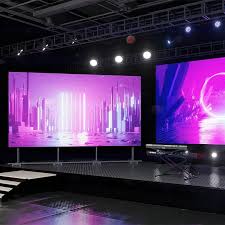
Case studies from metropolitan transport systems demonstrate the effectiveness of cutting-edge outdoor digital signage. For example, Transport for London (TfL) implemented weatherproof LED displays featuring ultra-high brightness and remote monitoring capabilities across bus stops and underground stations, significantly improving passenger communication and reducing perceived wait times. Similarly, Singapore's Land Transport Authority uses outdoor digital signage integrated with AI-driven analytics to optimize passenger flow during peak hours.
In conclusion, transport digital signage outdoor solutions embody a convergence of advanced display technology, ruggedized engineering, and smart connectivity. Their deployment supports real-time information dissemination, enhances commuter satisfaction, and promotes operational sustainability. For engineers and transport authorities, selecting high-quality LED modules, robust enclosures, and compliant systems aligned with international standards is essential for successful implementation. This strategic approach ultimately advances urban mobility infrastructure towards greater intelligence and responsiveness.













