

Advances and Best Practices in LED Display Manufacturing for Superior Visual Performance
The LED display industry has witnessed transformative advancements over the past decade, leveraging innovations in semiconductor technology, material science, and manufacturing precision. As a professional LED display engineer, I will provide an in-depth analysis of the current state of LED display manufacturing, addressing key technical parameters, proven manufacturing practices, and quality standards that ensure optimal performance and longevity.
LED displays—ranging from small-form-factor digital signage to large-scale video walls—are ubiquitous across various sectors including advertising, sports arenas, transportation hubs, and corporate environments. Achieving superior image quality, durability, and energy efficiency requires meticulous attention to design and manufacturing processes grounded in international standards such as IEC 62368-1 for safety and IEC 62471 for photobiological safety.
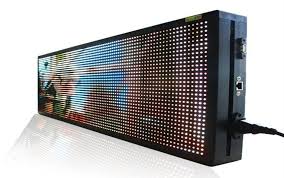
Material and Component Selection
At the core of every LED display are the Light Emitting Diodes themselves. Recent advances in InGaN (Indium Gallium Nitride) and AlGaInP (Aluminum Gallium Indium Phosphide) technologies have significantly enhanced brightness, color gamut, and energy efficiency. For example, the quantum efficiency of blue and green LEDs now regularly exceeds 45%, allowing for luminance levels surpassing 1500 nits even in direct sunlight scenarios, critical for outdoor displays.
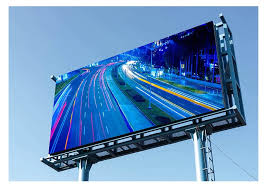
The substrate and encapsulant materials directly influence thermal management and longevity. High thermal conductivity substrates such as aluminum nitride (AlN) and ceramics are increasingly favored over traditional FR4 printed circuit boards, enabling efficient heat dissipation. Proper selection of silicone or epoxy encapsulants with UV resistance extends LED lifespan beyond 100,000 hours of continuous use, preventing photodegradation.
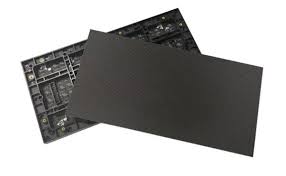
Manufacturing Precision and Calibration
Manufacturing precision has become increasingly critical given the high pixel density requirements. State-of-the-art automated pick-and-place machines now operate with positional accuracy within ±10 micrometers, indispensable for achieving uniform pixel pitches below 1 mm in fine pitch LED displays.
Post-assembly, calibration processes using spectrophotometers and high-precision colorimeters ensure uniform color temperature across entire panels. This calibration is vital to maintaining consistent color rendering index (CRI) values above 90, which enhances viewing experiences in retail and broadcast applications where color fidelity is paramount. Advanced calibration workflows incorporate AI-driven algorithms to compensate for inevitable variations in binning of LED dies, ensuring consistent chromaticity coordinates aligned with industry standards such as Rec. 709 and DCI-P3.
Quality Assurance and Testing
Quality control protocols must incorporate multi-tiered testing including accelerated aging (burn-in tests), thermal cycling, vibration resistance, and ingress protection (IP) certification. Outdoor LED displays frequently require IP65/IP67 ratings for dust and moisture resistance, achieved through meticulous sealing techniques that prevent contamination while allowing adequate heat dissipation.
Optical quality testing under various environmental conditions evaluates factors like luminance uniformity, contrast ratio, and refresh rate stability. High-frequency driving ICs (Integrated Circuits) enable refresh rates of 3840 Hz or higher, preventing flicker in high-speed video capture scenarios. Adherence to EMC (Electromagnetic Compatibility) directives ensures the display operates free from electrical interference, which is critical for installations in sensitive environments such as airports.
Energy Efficiency and Sustainability
Energy efficiency continues to be a pivotal concern. Innovations such as dynamic brightness control (DBC) and local dimming reduce power consumption by adjusting luminance based on ambient light conditions and content. Some LED modules incorporate integrated sensors and IoT connectivity for real-time monitoring and energy optimization.
Moreover, sustainable manufacturing practices address component recyclability and reduced use of hazardous substances, aligning with RoHS (Restriction of Hazardous Substances) compliance and international environmental standards. The industry trend is shifting toward modular designs facilitating easy repair and upgrade, reducing electronic waste.
Case Study: Large-Scale Installation Success
A recent high-profile stadium installation employed 1.5 mm pixel pitch LED modules with a peak brightness of 1800 nits and 95% NTSC color gamut. By integrating ceramic substrates, advanced thermal management systems, and AI-based calibration, the stadium achieved unparalleled visibility under intense daylight conditions while maintaining color uniformity and reducing energy consumption by 30% compared to legacy systems.
This installation exemplifies the convergence of material science, precision manufacturing, and intelligent calibration to deliver a cutting-edge viewing experience that meets stringent professional and environmental standards.
Conclusion
Excellence in LED display manufacturing hinges on optimizing materials, enhancing assembly precision, implementing rigorous quality assessments, and embracing sustainability. Adhering to global standards and leveraging the latest technology advances ensures LED displays that are robust, visually stunning, and energy-efficient. As the industry progresses, continuous innovation and meticulous engineering remain critical to meeting the evolving demands of diverse applications worldwide.
Industry professionals and manufacturers should prioritize these best practices to maintain competitive advantage and deliver premium visual solutions aligned with international benchmarks.













