

Advanced LED Display Technology: Engineering Insights and Industry Standards for Superior Screen Manufacturing
In the rapidly evolving field of display technology, LED (Light Emitting Diode) displays have become the cornerstone for various applications ranging from consumer electronics to large-scale commercial signage. As an experienced LED display engineer, this article delves into the sophisticated intricacies of LED display manufacturing, emphasizing technical parameters, industry standards, and practical insights that define high-quality, reliable LED screens.
Understanding LED Display Fundamentals
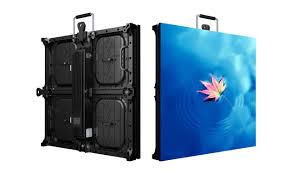
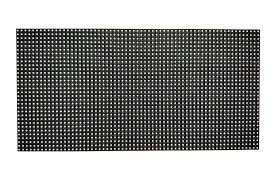
LED displays consist of an array of tiny light-emitting diodes arranged to form pixels, which collectively generate images. The critical advantage of LED technology is its ability to provide high brightness, vibrant color accuracy, and long operational life compared to traditional LCD or projection displays. This is largely due to the direct emission of light by diodes, eliminating the need for backlights.
Key Technical Parameters in LED Display Design
1. Pixel Pitch and Resolution
Pixel pitch—the distance between the centers of two adjacent pixels—is the primary determinant of image sharpness. Fine pixel pitch (<1.5 mm) is essential for close-viewing applications like control rooms or broadcast studios, enabling resolutions comparable to LCD monitors. For outdoor displays, pixel pitches typically range from 4 mm to 20 mm to optimize viewing distance and visibility.
2. Brightness and Contrast Ratio
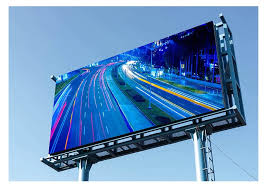
Outdoor LED displays require high brightness levels, often exceeding 5,000 nits, to maintain legibility under direct sunlight. Contrast ratio, the luminance difference between the brightest white and darkest black, is crucial for image depth and clarity. Advances in LED chip technology have pushed contrast ratios beyond 5,000:1, significantly enhancing visual impact.
3. Color Accuracy and Calibration
Achieving accurate color reproduction demands precise calibration using spectroradiometers and colorimeters. Modern LED displays utilize dynamic color management systems adhering to international standards such as ITU-R BT.709 and BT.2020, enabling consistent color performance across varied environmental conditions.
4. Refresh Rate and Response Time
High refresh rates (≥ 1920 Hz) are vital for video content to ensure smooth motion and prevent flickering, which is especially important in live broadcasting or gaming environments. Response time, often under 1 ms in advanced LED panels, guarantees minimal motion blur and ghosting effects.
Industry Standards and Quality Benchmarks
Leading industry standards, including those outlined by the International Electrotechnical Commission (IEC), Institute of Electrical and Electronics Engineers (IEEE), and Society for Information Display (SID), govern LED display quality and safety. Compliance with IEC 62471 ensures photobiological safety to prevent eye damage from LED emissions. Additionally, certifications like ISO 9001 guarantee stringent manufacturing quality control and process consistency.
Material and Component Selection
The choice of LED chips, typically Gallium Nitride (GaN)-based, significantly impacts display performance. High-bin LEDs with narrow wavelength tolerance enhance color uniformity. Moreover, Printed Circuit Boards (PCBs) designed with efficient thermal management enable heat dissipation critical for extending component lifespan. The use of aluminum-based substrates is common practice to maintain stable operating temperatures between 25°C and 65°C.
Innovations in Form Factors and Flexibility
Recent advancements incorporate flexible and transparent LED panels, leveraging microLED technology. These innovations allow for seamless curved displays, wearable devices, and augmented reality applications, opening new frontiers for creative installations and user interactivity.
Manufacturing Best Practices
Ensuring module uniformity demands rigorous binning processes for LEDs and meticulous soldering technology employing Surface Mount Technology (SMT). Automated Optical Inspection (AOI) tools and Inline Testing Systems are integral for early defect detection. Furthermore, careful encapsulation of LEDs using silicone or epoxy resins improves moisture and ultraviolet (UV) resistance, which is paramount for outdoor durability.
Case Study: Deploying LED Displays in Urban Smart Signage
A project involving installation of a large-scale LED display system in a metropolitan transit hub highlights crucial engineering considerations:
- Utilization of P3.91 mm fine pixel pitch modules to ensure readability at close and medium distances.
- Implementation of a centralized color calibration setup achieving Delta E<2 for color consistency.
- Employment of NEMA 4-rated enclosures offering ingress protection against dust and water.
- Integration of adaptive brightness control leveraging ambient light sensors reducing energy consumption by 30%.
Conclusion
The manufacturing of high-performance LED displays demands a comprehensive approach, integrating advanced semiconductor technology, meticulous design, adherence to rigorous standards, and continuous quality control. Engineers must navigate challenges in brightness, color fidelity, and environmental resilience to deliver products that meet the demanding expectations of diverse applications worldwide. Staying abreast of emerging technologies, such as mini and microLED, ensures that LED display solutions remain at the forefront of visual experience innovation.
By grounding engineering practices in authoritative standards and applying practical insights from real-world deployments, LED display manufacturers can produce solutions that are robust, vibrant, and reliable, propelling the industry towards a luminous future.













