

Advancements and Applications of Commercial LED Displays in Modern Advertising
Commercial LED displays have revolutionized the advertising and information dissemination landscape worldwide. Their vibrant visuals, scalability, and durability make them a preferred choice for businesses aiming to capture attention in high-traffic areas. As a professional in LED display engineering, I will explore the latest advancements, technical specifications, and practical applications that define commercial LED displays today.
Technical Excellence and Engineering Innovations
Commercial LED displays utilize Light Emitting Diodes arranged in precise pixel configurations. Modern units often feature pixel pitches ranging from 1.2mm to 10mm, enabling both ultra-high-definition indoor displays and large-scale outdoor billboards. The smaller the pixel pitch, the higher the resolution and clarity, which is critical for displays installed near audiences. For example, indoor LED walls with pixel pitches of 1.2mm to 2.5mm offer exceptional image quality, suitable for retail environments, control rooms, and corporate lobbies.
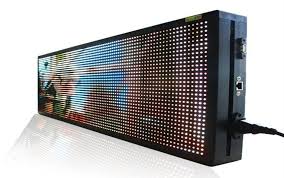
One key innovation is the integration of high-brightness SMD (Surface Mounted Device) LEDs, delivering luminance levels exceeding 5,000 nits for outdoor displays. This ensures clear visibility even under direct sunlight, complying with industry standards such as the IEC 62471 photobiological safety regulations. Contrast ratios often exceed 3000:1, providing vibrant colors and deep blacks that enhance viewer engagement.
Durability and Environmental Resistance
Commercial LED displays are designed to withstand diverse environmental conditions. Outdoor panels typically conform to IP65 or higher ingress protection standards, ensuring resistance against dust and water. This robustness extends the operational lifespan, which industry data suggests can range between 80,000 to 100,000 hours, depending on operating conditions and maintenance practices.
Temperature control systems, including passive heat sinks and active cooling fans, are integrated in commercial units to maintain optimal performance between -20°C to 50°C. These engineering solutions reduce thermal stress on LEDs, preserving color uniformity and preventing premature failure—a critical consideration for installations in harsh climates.
Smart Control and Connectivity
Connectivity advancements have transformed commercial LED displays into interactive tools. Current models support multicast content delivery via Ethernet, Wi-Fi, and 5G technologies. Features like real-time remote management, content scheduling, and cloud-based control streamline operations and reduce maintenance costs.
Furthermore, integration with AI-driven analytics allows businesses to adapt content dynamically based on audience demographics and traffic data. This data-driven approach enhances advertising effectiveness, driving higher ROI for companies utilizing LED displays in shopping malls, transportation hubs, and urban outdoor environments.
Diverse Applications Tailored to Market Needs
Commercial LED technology finds applications spanning retail advertising, transportation signage, sports arenas, and corporate communications. For example:
- Retail Environments: LED video walls enhance the shopping experience by showcasing promotional content with stunning clarity and color fidelity.
- Transportation Hubs: Dynamic signage applications include real-time passenger information and emergency notifications with superior visibility.
- Sports and Entertainment Venues: Large LED screens provide immersive viewing experiences even in large stadiums by delivering smooth video playback at refresh rates of 1920Hz or higher to prevent flickering.
Sustainability and Energy Efficiency
Modern commercial LED displays are engineered to minimize power consumption, aligning with global sustainability goals. Energy-efficient driver ICs and materials reduce power usage by up to 30% compared to older models. Additionally, the adoption of modular maintenance designs facilitates easier part replacement, reducing electronic waste and supporting circular economy principles.
Conclusion
Commercial LED displays today stand at the intersection of technology, marketing, and sustainability. With their superior image quality, resilience, and smart functionalities, they offer businesses limitless possibilities to engage audiences effectively. Industry-leading manufacturers continue to push the boundaries, incorporating the latest engineering and connectivity standards to meet evolving market demands.
For enterprises seeking to enhance brand visibility and customer experiences, investing in state-of-the-art commercial LED displays offers a compelling solution that combines technological excellence with practical benefits.













