

Taxi LED Screen Technology: Enhancing Urban Transportation and Advertising Effectiveness
In the dynamic landscape of urban transportation and advertising, Taxi LED screens have emerged as a revolutionary technology that bridges the gap between mobility and digital communication. These LED display systems, integrated seamlessly into taxis, serve not only as a medium for real-time passenger information but also as powerful platforms for targeted advertising, contributing substantially to the urban digital ecosystem.
Technical Overview and Specifications
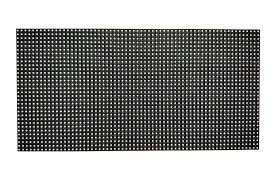
Taxi LED screens typically employ high-brightness LED modules with pixel pitches ranging from 2.5mm to 4mm to ensure exceptional visibility both day and night under varying ambient light conditions. A typical screen resolution for an 8-inch to 15-inch display panel is set to provide crisp images and smooth video playback, even while the vehicle is in motion.
Brightness levels are critical; most taxi LED screens are designed with luminance between 800 to 1200 nits to combat external sunlight glare, delivering vibrant content clarity. The screen refresh rates generally exceed 1920Hz, eliminating flicker and ensuring comfortable viewing both inside and outside the vehicle.
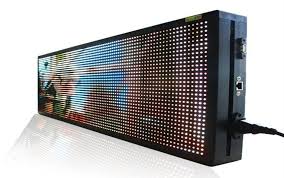
Integration and Connectivity
Modern taxi LED screens incorporate advanced network capabilities such as 4G/5G cellular modules and Wi-Fi connectivity, allowing the centralized control of content, timely updates, and data analytics processing. Utilizing GPS integration, the screen can display dynamic location-based messages, transit updates, and promotional content tailored to the taxi’s current position.
Moreover, content management systems (CMS) compatible with these displays provide advertisers and fleet operators flexibility to schedule ads based on time, geography, and audience demographics, maximizing advertising ROI.
Durability and Power Considerations
Given the mobile environment, taxi LED screens are engineered for robustness with shockproof and vibration-resistant frames compliant with automotive industry standards such as ISO 16750 for electrical and mechanical durability. Power consumption is optimized, frequently employing LED driver ICs with low power modes and intelligent brightness adjustment sensors to extend battery life and reduce the taxi’s fuel consumption impact.
Case Studies and Industry Applications
Cities such as New York, London, and Singapore have adopted Taxi LED screens to enhance communication with passengers and deploy hyper-local advertising campaigns. In New York City, pilot programs utilizing taxi LED displays have shown a 27% increase in ad engagement compared to traditional static taxi toppers, according to data published by the Outdoor Advertising Association of America (OAAA).
In Singapore, integration of real-time air quality and traffic information via LED screens furnished passengers with essential transit data, promoting user satisfaction and safety. Additionally, advertisers find these screens highly effective in capturing mobile consumers’ attention in dense urban settings where traditional billboards may be less impactful.
Benefits Beyond Advertising
Beyond commercial applications, taxi LED screens contribute to urban safety and public awareness campaigns by displaying emergency alerts, weather warnings, and health advisories. Their ability to deliver instantaneous, geo-specific messages makes them invaluable assets during crisis situations, complementing municipal communication channels.
Future Trends
As LED technology continues to evolve, we can anticipate developments such as flexible and transparent LED screens, enhanced AI-driven content optimization, and integration with autonomous vehicle systems. Improvements in power efficiency and miniaturization will enable more discreet and energy-saving installations, further broadening the scope and effectiveness of taxi-based digital communication.
Conclusion
Taxi LED screens represent a confluence of transportation and digital innovation, offering urban environments enhanced informational richness and advertising efficacy. Through robust technical design, smart connectivity, and strategic content deployment, these systems are shaping the future of urban mobility communication, delivering value to passengers, advertisers, and city planners alike.
For manufacturers and operators considering deploying taxi LED screen solutions, adherence to industry standards such as IEC 60598 for display lighting safety and OAAA advertising guidelines is essential to ensure regulatory compliance and maximize operational success.
SEO Keywords:Taxi LED screen, LED display technology, urban advertising, digital taxi displays, mobile digital signage
SEO Description:Explore the advanced Taxi LED screen technology enhancing urban transport and advertising with high-brightness displays, real-time connectivity, durable designs, and dynamic content management for effective mobile digital signage.













