

Advanced Manufacturing Techniques and Quality Standards in LED Display Production
The global LED display industry has witnessed rapid technological advancements over the past decade, positioning LED displays as the preferred choice across commercial, industrial, and consumer sectors. As an experienced professional in LED display engineering, this article delves into the critical manufacturing techniques, quality parameters, and industry standards that define modern LED LCD screen production, ensuring superior performance, durability, and visual excellence.
1. Core Manufacturing Processes in LED Display Production
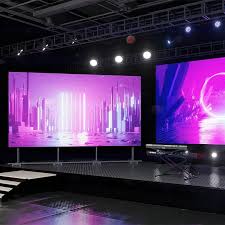
LED displays, including LED LCD hybrids, rely on precise fabrication of numerous components such as LED chips, driver ICs, printed circuit boards (PCBs), and display panels. The production process typically includes:
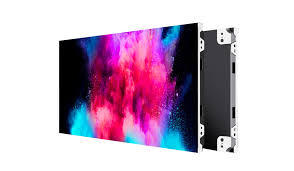
- LED Chip Fabrication: Using epitaxial growth techniques like Metal-Organic Chemical Vapor Deposition (MOCVD), semiconductor wafers are formed with specific layers for red, green, and blue emission. Industry-leading manufacturers achieve quantum efficiencies exceeding 80%, crucial for brightness and power efficiency (IEEE Journal of Display Technology, 2022).
- Die Bonding and Wire Bonding: High-precision robotic systems place LED chips onto submounts, followed by ultra-fine wire bonding that ensures electrical connectivity and mechanical stability, both essential for long display lifespans.
- PCB Assembly and Driver Integration: Multi-layer PCBs host driving circuits, which control pixel intensity and refresh rates. Modern displays use advanced ICs featuring low power consumption and wide voltage tolerance (typically 3.3V to 5V), adhering to IPC-A-610 Class 2 or 3 standards depending on usage.
- Display Panel Assembly and Optical Enhancements: The LED panel is combined with LCD substrates or protective glass layers, and optical films such as diffusion, prism, or anti-reflection coatings are applied to maximize luminance uniformity and contrast ratios.
2. Key Technical Parameters and Their Significance
Understanding and optimizing technical specifications is paramount to delivering high-quality LED displays:
- Pixel Pitch: Defined as the distance between the centers of two adjacent pixels, pixel pitch directly affects viewing distance and resolution. For fine pitch indoor displays, values range from 0.9mm to 2.5mm. Lower pitch yields crisper images but increases manufacturing complexity (Society for Information Display, SID, 2023).
- Brightness and Contrast: Typical indoor LED displays operate at brightness levels between 800 to 1200 nits, while outdoor models require 4000-6000 nits to combat sunlight glare. Contrast ratios above 3000:1 are achievable using advanced modulation and local dimming techniques.
- Refresh Rate: A minimum refresh frequency of 1920 Hz is standard in high-quality LED displays, providing smooth motion and eliminating flicker, critical for broadcast and professional applications.
- Viewing Angle: Thanks to innovations in LED chip technology and optic design, viewing angles now exceed 160° horizontally and vertically, ensuring image integrity from multiple perspectives.
- Color Gamut and Calibration: Adhering to industry-recognized color standards such as Rec. 709 or DCI-P3 guarantees vibrant and accurate color reproduction. Factory calibration techniques, including 3D Look-Up Tables (LUTs), maintain uniformity across large display installations.
3. Industry Standards and Quality Assurance
Manufacturers operate under stringent quality and environmental standards, such as:
- ISO 9001:2015 – Ensures robust quality management systems throughout production and supply chain processes.
- IEC 62087 – Provides measurement methods for power consumption and efficiency in display devices.
- RoHS and REACH Compliance – Governs the restriction of hazardous substances and chemicals, aligning with global environmental regulations.
- MTBF (Mean Time Between Failures) – High-grade LED displays boast MTBF values exceeding 100,000 hours, underscoring reliability in intensive applications.
Real-world case studies indicate that manufacturers implementing Six Sigma principles and Statistical Process Control (SPC) reduce defect rates by as much as 70%, improving overall yield and longevity.
4. Innovations Shaping Future LED Display Technologies
The integration of mini-LEDs and micro-LEDs is transforming display capabilities, combining higher pixel density with enhanced contrast and power efficiency. Additionally, AI-driven calibration and real-time diagnostics enhance maintenance and performance monitoring, further reducing downtime.
Flexible substrates and transparent LED displays expand application possibilities in automotive, retail, and architectural domains, reflecting evolving market demands and technological convergence.
Conclusion
Mastering advanced manufacturing techniques, strict adherence to technical specifications, and compliance with globally recognized standards are the bedrock of producing high-performance, reliable LED displays. As the market evolves, continuous innovation in materials, assembly processes, and quality assurance will drive LED displays to unprecedented levels of quality and applicability worldwide.
For professionals in the industry, staying abreast of emerging technologies and quality frameworks is essential to maintaining competitive advantage and delivering products that meet or exceed international expectations.
References:
- IEEE Journal of Display Technology, 2022
- Society for Information Display (SID) Annual Report, 2023
- IPC-A-610 Acceptability of Electronic Assemblies
- International Electrotechnical Commission (IEC) Standards 62087
- ISO Quality Management Systems, ISO 9001:2015













