

Advancements and Best Practices in LED Display Manufacturing: Technical Insights and Industry Standards
LED display technology has witnessed remarkable advancements over the past decade, firmly establishing itself as a cornerstone in digital signage, broadcasting, advertising, and even sophisticated control rooms. As a seasoned LED display engineer, I aim to provide a comprehensive overview of the manufacturing processes, technical parameters, and industry best practices that underpin the production of high-quality LED displays—information that is crucial for manufacturers, integrators, and end-users globally.
At its core, an LED display is composed of arrays of tiny light-emitting diodes, controlled to produce vibrant, high-contrast images. The manufacturing process demands precision engineering, stringent quality control, and adherence to international standards such as IEC 62717 for LED modules and JESD51 for thermal management.
Key Technical Parameters and Their Importance
1. Pixel Pitch
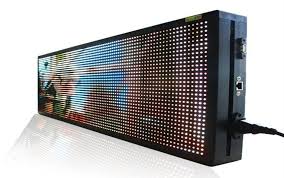
Pixel pitch, typically measured in millimeters, refers to the distance from the center of one pixel to the center of the adjacent one. Smaller pixel pitches (e.g., 0.9 mm to 2.5 mm) are standard for indoor LED displays requiring close viewing distances, while larger pitches (e.g., 4 mm to 10 mm and above) suit outdoor applications where viewers are farther away. Choosing the right pixel pitch is essential to balance the display cost with image sharpness.
2. Brightness and Contrast
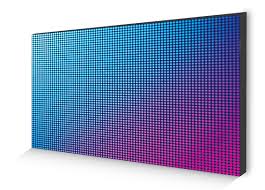
Brightness levels are critical for the LED’s visibility under various lighting conditions. Indoor LED screens usually have a brightness between 800-1500 nits, whereas outdoor displays can exceed 6000 nits to compete with direct sunlight. Contrast ratio, which measures the luminance difference between black and white, significantly impacts perceived image quality. Advanced LED displays use locally dimmable LEDs to enhance contrast, contributing to more vivid and crisp images.
3. Refresh Rate and Gray Scale
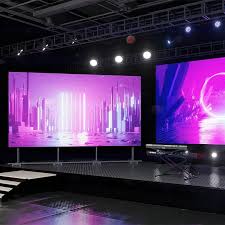
The refresh rate (measured in Hz) determines how frequently the display updates the image. A minimum of 1920 Hz is recommended for broadcast-quality LED displays to avoid flicker during camera capture and human viewing. The gray scale depth, often 14-bit to 16-bit, influences color depth and smooth gradation, which is indispensable for professional video production or medical imaging.
4. Thermal Management
Efficient heat dissipation is paramount for operational stability and longevity. Manufacturers utilize materials such as aluminum backplanes and incorporate active cooling measures like heat pipes or fans, aligning with the JESD51 thermal standards. Poor thermal management leads to LED color shift, reduced brightness, and premature component failure.
Manufacturing Process and Quality Assurance
The first critical stage is LED chip selection, sourcing from reliable producers like Nichia, Cree, or Lumileds, known for stable wavelength and luminous efficacy. After selecting chips, the module assembly involves precise SMT (Surface Mount Technology) processes, ensuring each LED and associated components are soldered with exacting tolerances.
Following assembly, each LED module undergoes rigorous testing for uniformity in brightness and color, electrical functionality, and environmental resilience. Calibration utilizes spectroradiometers and colorimeters to fine-tune color temperature and brightness. This step ensures the display adheres to Rec. 709 or Rec. 2020 color standards, which are essential for high-fidelity video reproduction.
To maintain industry viability, manufacturers increasingly embrace AI-powered automated inspection systems, which outperform manual inspection in catching solder defects, missing LEDs, or uniformity issues. This technology simultaneously boosts throughput and reduces defect rates, reported by leading companies like Leyard and Unilumin in their published case studies.
Compliance and Environmental Considerations
Aside from technical excellence, LED product manufacturers must comply with international environmental and safety standards such as RoHS (Restriction of Hazardous Substances), REACH (Registration, Evaluation, Authorization, and Restriction of Chemicals), and UL certifications. Conformance to these ensures reduced ecological impact, safer disposal, and global market acceptance.
Furthermore, recent innovations promote energy-efficient LED displays employing advanced driver ICs and power management solutions, reducing operating power consumption by up to 30% compared to earlier generations. These improvements align with global energy conservation goals and offer operational cost benefits for end users.
Industry Trends and Future Outlook
The LED display market is evolving with trends like MicroLED and mini-LED technologies gaining traction for their superior brightness, contrast, and power efficiency. MicroLEDs, for example, promise pixel pitch reductions under 0.5 mm with individual pixel control, revolutionizing display applications from smartphones to augmented reality.
Additionally, flexible and transparent LED displays are increasingly integrated into architectural designs, requiring innovative manufacturing techniques such as substrate thinning and bendable circuit designs. These applications mimic real-world environments and enable dynamic, context-aware digital signage solutions.
Conclusion
Effective LED display manufacturing demands a synergy of precise technical specifications, advanced manufacturing processes, rigorous quality assurance, and compliance with global standards. Leveraging contemporary technologies and adhering to evolving trends ensures high-performance products meet the diverse demands of modern applications—from sports arenas and concert halls to critical medical and industrial environments.
Understanding and implementing the detailed parameters outlined here, complemented by case studies from leading industry players and international standards, can significantly improve production outcomes and user satisfaction. As the LED display ecosystem advances, continuous innovation and adherence to best practices will remain the foundation of delivering superior visual experiences worldwide.
LED display manufacturing, pixel pitch, brightness and contrast, LED thermal management, LED display industry standards
Explore key technical parameters and manufacturing best practices in LED display production, including pixel pitch, brightness, refresh rates, thermal management, and compliance with international standards to ensure high performance and durability.













