

Staging Digital Display: Innovations, Applications, and Technical Insights for Modern Events
In today’s fast-evolving event industry, staging digital display technology has become indispensable for creating immersive and engaging experiences. From concerts and corporate conferences to trade shows and theatrical performances, digital displays form the visual backbone, enabling dynamic content presentation with high clarity and versatility. As an LED display engineer with extensive experience, this article delves into the crucial aspects of staging digital displays, including their technology, technical parameters, integration challenges, and future trends, thus providing an authoritative guide for event professionals and technical engineers alike.
Understanding Staging Digital Displays
Staging digital displays primarily utilize LED (Light Emitting Diode) technology, favored for its vibrant colors, high brightness, and modularity. Unlike traditional projector setups, LED displays offer superior visibility in various ambient lighting conditions, key for outdoor and large venue applications.
Core technologies used in staging digital displays include:
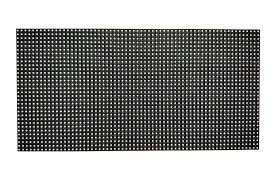
- Indoor & Outdoor LED Panels: Differentiated by pixel pitch and brightness—indoor panels typically feature pixel pitches between 1.2mm to 4mm, ensuring crisp visuals at close viewing distances, whereas outdoor panels range from 4mm to 10mm to withstand environmental factors.
- Direct View LED (dvLED): This technology enables self-illuminating pixels, providing unmatched contrast ratios (over 5000:1) and color accuracy critical for immersive stage visuals.
- LCD Video Walls: Although often superseded by LED in staging contexts, LCD walls remain relevant for static content due to their lower upfront costs and superior resolution for smaller formats.
Technical Parameters and Standards
A successful staging digital display setup hinges on understanding specific technical parameters and adhering to industry standards to ensure reliability, safety, and visual excellence:
- Pixel Pitch: Defined as the distance between the center of one LED cluster to the next, pixel pitch, measured in millimeters, directly impacts resolution. For event stages, pixel pitches between 2mm–5mm offer an optimal balance between image detail and cost.
- Brightness: Measured in nits (cd/m²), brightness must be adjusted per use case. For indoor events, 800-1500 nits suffice, whereas outdoor displays require upwards of 5000 nits to combat sunlight interference.
- Refresh Rate: A critical factor for smooth motion rendering; industry standards recommend refresh rates above 3840Hz for professional event usage, reducing flicker especially noticeable on camera feeds.
- Viewing Angle: Wide viewing angles (up to 160° horizontally and vertically) ensure visibility from diverse audience perspectives.
- Ingress Protection (IP Rating): For outdoor displays, IP65 or higher guarantees resistance to dust and water, vital for long-duration events in varied weather conditions.
- Color Gamut and Calibration: Wide color gamut coverage (up to 95% NTSC) enables vibrant stage visuals; periodic color calibration ensures uniformity across large display arrays.
Practical Implementation and Integration
Deploying digital displays on stage requires rigorous planning on several fronts:
- Modular Design for Flexibility: LED panels sized from 500mm×500mm or 640mm×640mm facilitate rapid assembly and tailor-made screen shapes. This modularity supports curved surfaces, irregular shapes, or kinetic stage elements.
- Signal Processing and Control Systems: Robust control systems such as BARCO or NOVASTAR ensure seamless synchronization of multi-panel walls, supporting high bandwidth data transmission to avoid latency or image tearing.
- Thermal Management: Efficient heat dissipation systems, including heat sinks and fan modules, prevent overheating during extended use.
- Power Efficiency and Redundancy: Using power supplies with redundant modules and energy-efficient designs enhances display stability and reduces operational costs.
Case Studies
1. Ultra Music Festival 2023 implemented a massive 4,000 square foot dvLED wall with 2.5mm pixel pitch. Equipped with 6000 nits brightness panels and refresh rates exceeding 5000Hz, the display produced clear, flicker-free visuals visible across a 200m radius despite daylight conditions.
2. Corporate Event in Singapore 2024 utilized modular indoor LED displays to create vibrant backdrops and interactive podium screens, mixing 1080p video playback with real-time data feeds, enabling dynamic audience engagement driven by scalable screen configurations.
Future Trends
The staging digital display industry is progressing with innovations such as:
- MicroLED Technology: Offering ultra-high resolution with lower power consumption and longer lifespan, MicroLED promises to redefine stage visual quality.
- AI-Driven Content Optimization: Intelligent software adjusts brightness, contrast, and color dynamically based on ambient lighting and content type.
- Augmented Reality (AR) Integration: Combining physical LED walls with AR offers layered experiences, transforming static stages into interactive storytelling platforms.
- Wireless Signal Transmission: New developments in wireless protocols allow more flexible configurations and reduced cabling concerns.
Conclusion
Staging digital display technology underpins transformative event experiences through advanced LED technologies, strict adherence to technical standards, and innovative implementations. Understanding pixel pitch, brightness, refresh rates, and modular integration is fundamental for engineers and event planners aiming to deliver visually compelling, reliable displays. Keeping abreast of emerging technologies and standards will ensure continuous improvement in staging visual performance and operational efficiency.
For more detailed guidelines, refer to authoritative sources such as the International Electrotechnical Commission (IEC 62471: Photobiological safety of lamps and lamp systems) and Society of Motion Picture and Television Engineers (SMPTE) standards related to refresh rates and color calibration.













