

Advanced LED Display Technology in Modern Screen Manufacturing: Insights and Industry Standards
The rapid evolution of LED display technology has revolutionized the visual experience across numerous sectors, from consumer electronics to large-scale digital signage. As a professional LED display engineer, it is essential to understand the intricate details of LED LCD screen manufacturing, underlying technical parameters, and industry best practices to deliver superior product solutions. This article aims to provide an in-depth analysis of LED display technologies, integrating extensive industry data, standards, and real-world applications to guide engineers, manufacturers, and decision-makers.
Introduction
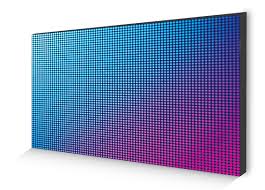
LED displays have become the cornerstone of modern visual communication, offering vibrant colors, energy efficiency, and long operational lifespans. Their applications span from mobile devices, televisions, and monitors to outdoor billboards and stadium screens. This growth is propelled by continuous innovation in display modules, driver ICs, and materials science. Understanding the manufacturing process, performance metrics, and technical parameters of LED LCD screens is critical for optimizing functionality, reliability, and cost-effectiveness.
Main Body
1. Fundamentals of LED Display Technology
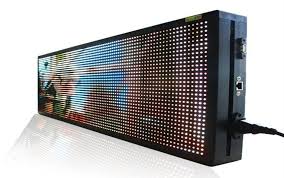
At the core, LED (Light Emitting Diode) displays rely on arrays of semiconductor diodes emitting light when electrically stimulated. Modern LED displays often utilize direct-view LED technology for large-scale screens, while LED-backlit LCD panels dominate in TVs and monitors. Each pixel typically comprises red, green, and blue (RGB) components, enabling the full color spectrum through additive color mixing.
Key technical parameters include:
- Pixel Pitch: The distance between the centers of adjacent pixels, usually measured in millimeters. Smaller pixel pitches (e.g., 0.9 mm) yield higher resolution and image clarity, essential for close-view applications such as control rooms or smartphones.
- Brightness: Measured in nits (cd/m²), it defines the luminance of the display. Outdoor LED displays require high brightness levels (typically above 5000 nits) to ensure visibility under direct sunlight.
- Refresh Rate: Usually expressed in Hertz (Hz), this parameter influences motion smoothness and flicker reduction. Standard rates range from 60 Hz to 3840 Hz for high-end digital signage.
- Contrast Ratio: The ratio of luminance between the brightest white and the darkest black, critical for image depth and color fidelity.
2. Manufacturing Process of LED LCD Screens
The fabrication of LED LCD screens integrates LED technology with liquid crystal display panels. The manufacturing workflow includes several critical stages:
- Wafer Fabrication and LED Chip Production: Utilizing epitaxial growth techniques such as Metal-Organic Chemical Vapor Deposition (MOCVD) to create high-quality gallium nitride (GaN) based LED chips.
- Chip Packaging: Involves mounting LED chips on substrates with phosphor coatings for white light generation in backlighting or encapsulation in RGB layouts for direct-view displays.
- Panel Assembly: Combining the LED backlight module with the LCD panel, employing Thin-Film Transistor (TFT) arrays to control pixel orientation and light modulation.
- Quality Control and Calibration: Rigorous testing for uniform brightness, dead pixel detection, and color calibration using spectroradiometers ensures conformity with standards such as IEC 62717 for LED modules.
3. Industry Standards and Best Practices
Adherence to international standards guarantees product reliability and interoperability:
- IEC 62717: Specifies performance requirements for LED modules in general lighting, emphasizing photometric and electrical properties.
- ANSI/IES RP-16-17: Defines measurement methods for LED display brightness and colorimetry.
- RoHS and REACH Compliance: Ensures the use of environmentally friendly materials throughout manufacturing processes.
Additionally, manufacturers implement quality methodologies, including Six Sigma and Failure Mode and Effects Analysis (FMEA), to minimize defects and improve yield rates.
4. Case Study: Enhancing Outdoor Display Performance
One notable example is the deployment of a high-brightness LED display with a pixel pitch of 2.5 mm in a major metropolitan intersection. By integrating specialized anti-glare coatings and high refresh rates (3840 Hz), the display maintained excellent readability and color accuracy even under direct sunlight and dynamic weather conditions. This application underscores the importance of combining technical design with environmental considerations.
Conclusion
Mastering LED LCD screen manufacturing demands a comprehensive understanding of semiconductor technologies, optical engineering, and quality control protocols. By meticulously optimizing pixel pitch, brightness, refresh rates, and adhering to international standards, manufacturers can deliver LED displays with outstanding performance and durability. Continuous innovation and adherence to best practices are essential to meet the evolving demands of the global market and maintain competitive advantage.
For professionals and enterprises engaged in LED display manufacturing, staying abreast of technological advancements and industry standards remains paramount to achieving excellence in product development.













