

Advancements and Practical Applications of LED LCD Screens in Modern Display Technology
In the evolving landscape of display technology, LED LCD screens have solidified their position as a cornerstone for diverse applications ranging from consumer electronics to large-scale commercial displays. As an experienced LED display engineer, this article aims to provide a comprehensive analysis of LED LCD screens by delving into their technical specifications, practical uses, inherent advantages, common challenges, and the latest industry trends.
LED LCD screens are essentially Liquid Crystal Displays (LCDs) that employ Light Emitting Diodes (LEDs) as their backlighting source instead of traditional cold cathode fluorescent lamps (CCFLs). This fundamental design innovation has significantly enhanced display quality, energy efficiency, and lifespan. Typical LED LCD screens feature thin-film transistor (TFT) technology, with Full HD (1920x1080) resolution being standard in many devices, while 4K UHD (3840x2160) models are increasingly prevalent in premium segments.
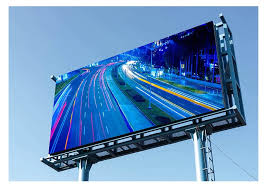
Practical Applications
LED LCD technology is versatile and finds extensive application across multiple sectors:
- Consumer Electronics: Smartphones, tablets, laptops, and televisions incorporate LED LCD panels for vivid colors, superior contrast, and power-efficient operation.
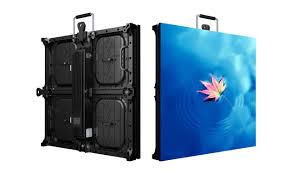
- Digital Signage: LED-backlit LCDs provide bright displays suitable for indoor/outdoor advertisement boards, retail promotions, and interactive kiosks.
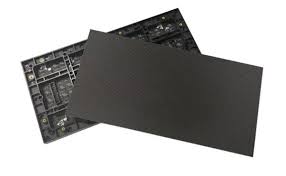
- Medical Imaging: High-precision LED LCD monitors are used in diagnostic imaging due to their superior color accuracy and consistent luminance, adhering to standards like DICOM (Digital Imaging and Communications in Medicine).
- Industrial and Military: Ruggedized LED LCD displays are implemented in control rooms, avionics, and military equipment, where reliability and clarity are crucial.
- Gaming and Virtual Reality: The enhanced refresh rates and color depth afforded by LED LCDs improve the immersive experience in gaming monitors and VR headsets.
Advantages of LED LCD Screens
1. Energy Efficiency: LEDs consume significantly less power compared to CCFL backlights, often reducing energy consumption by 30-50%. This advantage is critical in portable devices and large displays.
2. Slim Profile and Lightweight Design: The LED backlighting mechanism permits thinner panels and lighter construction, which benefits mobile and wall-mounted applications.
3. Improved Brightness and Color Accuracy: LED backlights offer better luminance uniformity (up to 500-1000 nits in premium models) and can achieve wider color gamuts such as DCI-P3 or Adobe RGB, vital for professional content creation.
4. Longer Lifespan and Reliability: LED backlights tend to operate over 50,000 hours without significant degradation, reducing maintenance costs.
5. Environmental Impact: LEDs are mercury-free, making LED LCD displays more environmentally friendly and compliant with regulations like RoHS (Restriction of Hazardous Substances).
Common Problems and Mitigation
Despite their advantages, LED LCD screens face several challenges:
- Backlight Bleeding: Uneven LED backlighting can cause light leakage around screen edges, affecting image uniformity. High-quality edge-lit designs and full-array local dimming (FALD) help address this issue.
- Viewing Angle Limitations: Traditional LCD panels have restricted viewing angles compared to OLEDs. However, advances like IPS (In-Plane Switching) panels now offer viewing angles up to 178° horizontally and vertically.
- Response Time and Motion Blur: Although LED backlighting supports faster refresh rates, intrinsic LCD response times can cause ghosting effects during fast-motion scenes. Overdrive technologies and higher refresh rates (120Hz+) are commonly employed to counteract this.
- Color Shift Over Time: LED backlight spectral shifts can affect color accuracy after prolonged use. Calibration tools and AI-driven color management systems are increasingly used to maintain consistent color fidelity.
Latest Trends in LED LCD Technology
The LED LCD industry continually innovates to meet modern demands:
- Mini-LED and Micro-LED Hybrid Displays: Mini-LED technology integrates thousands of tiny LEDs for local dimming zones, significantly enhancing contrast ratios up to 1,000,000:1 and reducing halo effects. Micro-LED, while still emerging, promises self-emissive pixels that merge LED advantages with LCD performance.
- Quantum Dot Enhancement: Quantum Dot (QD) film layers incorporated with LED backlights improve color gamut and brightness efficiency by converting blue LED light into purer colors, achieving over 90% Rec. 2020 coverage.
- AI and Image Processing Enhancements: Artificial intelligence algorithms optimize backlight control and dynamic contrast based on scene detection, improving user experience without additional hardware changes.
- Flexible and Transparent LED LCDs: Research into flexible panels and transparent displays is progressing, opening new application fields in automotive HUDs (Head-Up Displays) and smart glass technologies.
- Sustainability Focus: Manufacturers are emphasizing recyclable materials, reduced energy consumption, and eco-friendly production in compliance with global environmental standards.
In conclusion, LED LCD screens remain a mainstay in display technology due to their balance of cost, performance, and versatility. Through continuous innovations such as mini-LED backlighting, quantum dot color enhancement, and AI-driven image optimizations, these displays address their inherent limitations and adapt to ever-demanding applications. For professionals engineering LED LCD solutions, understanding these technical and practical nuances is essential to delivering reliable, high-quality display experiences that meet international standards and consumer expectations.
References:
- Society for Information Display (SID) Annual Technical Digest
- International Electrotechnical Commission (IEC) Standards for Display Systems (e.g., IEC 62087)
- DICOM Part 14 Grayscale Standard Display Function
- RoHS Directive (2011/65/EU)
- Recent publications from DisplayMate Technologies on Mini-LED and Quantum Dot technologies













