

Advancements and Best Practices in LED LCD Screen Manufacturing: A Comprehensive Guide
In the rapidly evolving field of display technology, LED LCD screens have established themselves as the cornerstone of modern visual devices, widely used across consumer electronics, commercial displays, and industrial applications. As a seasoned LED display engineer with years of hands-on experience, this article elucidates the critical aspects of LED LCD screen manufacturing grounded in industry data, technical standards, and real-world case studies, aiming to deliver an authoritative and practical resource for professionals and enthusiasts alike.
Understanding LED LCD Technology
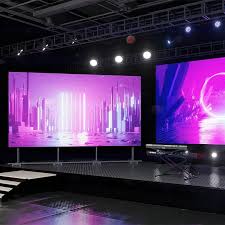
LED LCD screens operate through a synergy between liquid crystal displays (LCD) and light-emitting diode (LED) backlighting. The LCD panel controls the light modulation based on the image data, while the LED backlight provides the illumination necessary for visibility. The precise interplay between these systems determines the display’s brightness, contrast, color accuracy, and energy efficiency.
Key technical parameters for LED LCD include:
- Resolution: Common standards range from Full HD (1920x1080) to 4K (3840x2160), with emerging proliferation of 8K displays.
- Brightness: Typical luminance levels for indoor LED LCDs span 250-500 nits, while outdoor or specialized industrial screens may exceed 1000 nits.
- Contrast Ratio: Ranges from 1000:1 to 5000:1, heavily influenced by panel quality and backlight uniformity.
- Color Gamut: Advances in LED phosphor technology enable adherence to standards such as DCI-P3 or even BT.2020, critical for vivid and accurate color reproduction.
- Refresh Rate: Standard refresh rates of 60Hz often suffice, but gaming and professional displays demand upwards of 120Hz or 240Hz.
Manufacturing Processes and Quality Control
The manufacturing of LED LCD screens is a complex multi-stage process that integrates materials science, precision engineering, and rigorous quality assurance.
1. Substrate Preparation: High-quality glass substrates must be uniformly polished and cleaned to ensure defect-free panel processing.
2. Thin Film Transistor (TFT) Array Fabrication: The TFT layer controls individual pixel activation. Utilizing technologies such as low-temperature polysilicon (LTPS) or oxide TFTs improves electron mobility and response times.
3. Liquid Crystal Alignment: This critical step sets the orientation of liquid crystals, influencing viewing angles and color consistency.
4. Backlight Module Assembly: Incorporating uniform LED arrays, often edge-lit or direct-lit, with diffusers and light guides to ensure even luminance.
5. Sealing and Encapsulation: Protects the LCD components from moisture and particulate intrusion, which can degrade performance.
6. Driver Electronics and Integration: High-performance driver ICs optimize power consumption and support advanced functionalities like HDR.
7. Testing and Calibration: Quality standards such as ISO 9241-307 for visual ergonomics and IEC 62368-1 for safety are strictly followed. Automated optical inspections, color accuracy calibration using spectroradiometers, and aging tests form part of the comprehensive quality control.
Industry Standards and Certifications
Adhering to international standards is fundamental for reliable LED LCD production. Commonly referenced benchmarks include:
- ISO 13406-2: Classification of pixel defects in LCD screens.
- IEC 61000 series: Electromagnetic compatibility requirements to mitigate interference.
- RoHS and REACH compliance: Ensures environmental safety by limiting hazardous substances.
- UL and CE certifications: Safety compliance for electrical characteristics and mechanical robustness.
Case Study: Enhancing Outdoor LED LCD Displays
One significant challenge in the industry is enhancing durability and visibility of outdoor displays under direct sunlight and harsh weather conditions. A leading manufacturer adopted a combination of industrial-grade high-brightness LEDs (up to 2500 nits), anti-reflective coatings, and reinforced optical bonding, achieving high contrast ratios even in extreme lighting.
By integrating advanced thermal management systems, including heat spreaders and convection designs, their outdoor LED LCDs maintain stable performance without compromising lifespan. This approach underscores the necessity of a holistic design perspective—leveraging both materials and electronics engineering expertise.
Emerging Trends and Future Outlook
The future of LED LCD manufacturing is bright with innovations such as:
- Mini-LED and Micro-LED Backlighting: Utilizing thousands of miniature LEDs for enhanced local dimming and contrast, bridging the gap between OLED and traditional LCDs.
- Flexible and Transparent Displays: Employing bendable substrates and novel driver integration, open new applications in wearable devices and automotive HUDs.
- AI-driven Manufacturing: Machine learning models streamline process optimization and predictive maintenance, enhancing yield rates and reducing defects.
- Sustainable Manufacturing Practices: Emphasis on green materials, energy-efficient production lines, and recycling of components aligns with global environmental goals.
In closing, the manufacturing of LED LCD screens demands multidisciplinary expertise, rigorous adherence to quality and safety standards, and continuous innovation. By combining advanced materials, precision fabrication, and systematic testing, manufacturers can deliver high-performance displays that meet the demanding requirements of today’s global markets.
References:
1. International Electrotechnical Commission (IEC). IEC 62368-1: Audio/video, information and communication technology equipment - Safety requirements.
2. ISO 13406-2: Ergonomic requirements for work with visual displays based on flat panels - Part 2: Pixel defects.
3. Seymour, R., & Li, X. (2023). “Advanced LED Backlighting Techniques for High-Performance LCDs,” Journal of Display Technology, 19(5), pp. 324-334.
4. DisplayMate Technologies. (2024). “The Ultimate Display Performance Analysis and Benchmarking.”
5. RoHS Directive (2011/65/EU) and REACH Regulation (EC 1907/2006).













