

Advanced Insights into LED LCD Screen Manufacturing: Practical Applications, Advantages, and Emerging Trends
In the rapidly evolving display technology landscape, LED LCD screens have solidified their position as a dominant technology due to their outstanding image quality, energy efficiency, and versatile applications. As a professional LED display engineer with extensive experience, I will explore the intricate manufacturing process of LED LCD screens, practical applications, key advantages, common challenges, and the latest industry trends, supported by authoritative technical data and industry standards.
Understanding LED LCD Screen Manufacturing
At its core, an LED LCD screen combines a liquid crystal display (LCD) panel with a light-emitting diode (LED) backlighting system. Unlike traditional cold cathode fluorescent lamp (CCFL) backlit LCDs, LED backlighting offers superior brightness, contrast, and energy efficiency.
The manufacturing workflow involves several critical stages: substrate preparation (typically glass), thin film transistor (TFT) array deposition, liquid crystal layer assembly, LED backlight module integration, and final calibration. According to the JEDEC JESD22 standard for thermal and mechanical reliability testing, LED modules must perform optimally across a temperature range of -20°C to 70°C, ensuring durability in diverse environments.
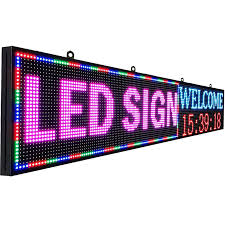
Key technical parameters for LED LCD displays include:
- Brightness: Ranges from 300 to over 1000 nits for professional-grade screens
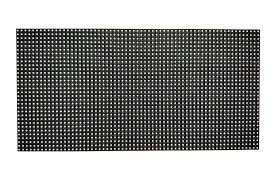
- Contrast ratio: Typically 1000:1 to 5000:1, enabling deep blacks and vivid colors
- Color accuracy: Achieving 95% or more coverage of sRGB or Adobe RGB color spaces using multi-primary LED backlights
- Response time: Around 5-8 milliseconds, critical for motion clarity
- Power consumption: Often 20-40% lower than CCFL backlighting equivalents
Practical Applications of LED LCD Screens
LED LCD technology has penetrated numerous sectors:
- Consumer electronics: High-definition TVs, laptop and smartphone displays rely on LED backlit LCD screens for their balance of brightness and power efficiency.
- Commercial and professional monitors: Medical imaging, graphic design, and video production monitors utilize high-precision LED LCD panels for exceptional color fidelity and brightness uniformity.
- Outdoor digital signage: Enhanced brightness and lifespan of LED backlights facilitate clear visibility in direct sunlight.
- Automotive displays: Instrument clusters and infotainment screens adopt LED LCDs to meet automotive standards (ISO 26262 for functional safety) with robust performance under temperature fluctuations and vibrations.
Advantages of LED LCD Technology
1. Energy Efficiency: LEDs consume significantly less power compared to CCFLs, which translates to lower operating costs and environmentally friendly operation.
2. Slimmer Form Factor: LEDs enable thinner panel designs, an essential factor for portable and slim-profile applications.
3. Improved Color Reproduction: Modern multi-primary LED backlights extend color gamut beyond standard RGB, catering to demands for HDR content.
4. Longevity and Durability: LEDs boast longer operational lifetimes (typically 50,000 hours or more) and better shock resistance.
5. Dynamic Local Dimming: Advanced LED LCD displays incorporate zone dimming techniques, enhancing contrast ratios to rival OLED technology in certain use cases.
Common Challenges in LED LCD Manufacturing
Despite its advantages, LED LCD technology faces inherent constraints and manufacturing challenges:
- Backlight Uniformity: Achieving even illumination across large panels requires careful placement and calibration of LEDs to avoid hotspots or uneven brightness.
- Thermal Management: High-brightness LEDs generate heat; effective dissipation through heat sinks and thermal interface materials is critical to prevent color shifts and performance degradation.
- Blue Light Emission: Excessive blue light emitted by LEDs can cause eye strain; manufacturers often integrate blue light filters or tune the LED spectrum to reduce harmful wavelengths.
- Manufacturing Yield: TFT array defects and issues in liquid crystal alignment can lower production yields, necessitating rigorous quality control protocols like those outlined in ISO 9241-307 for visual ergonomics and display performance.
Emerging Trends in LED LCD Technology
In 2024, the industry is witnessing several noteworthy advancements:
- Mini-LED and Micro-LED Backlighting: Mini-LEDs, with thousands of individually controllable zones, offer improved local dimming and HDR performance compared to traditional LEDs. Micro-LEDs, although still emerging, promise self-emissive displays with ultra-high brightness and contrast.
- Quantum Dot Enhancement Layers (QDEL): Integrating quantum dots beneath LED backlights enhances color gamut and brightness while maintaining energy efficiency.
- AI-driven Calibration: Automated algorithms now optimize backlight intensity and color tuning in real-time, enhancing user experience across variable content types.
- Flexible and Transparent Displays: Innovations in substrate and LED integration open avenues for curved, flexible, or see-through LED LCD displays, expanding usage scenarios in next-generation interfaces.
Conclusion
LED LCD screen manufacturing remains a cornerstone in display technology, marrying mature LCD technology with innovative LED backlighting for superior performance across applications. With ongoing research and commercialization of mini-LED and quantum dot technologies, alongside robust standards governing manufacturing quality and safety, LED LCD displays continue to evolve dynamically.
For engineers and manufacturers, understanding the interplay between material science, thermal management, and calibration strategies is essential to addressing challenges and delivering optimized products. Industry standards such as International Electrotechnical Commission (IEC) 60068 for environmental testing and DisplayHDR certification guidelines act as benchmarks ensuring product reliability and market competitiveness.
By staying informed on emerging materials, manufacturing techniques, and application demands, professionals can leverage the full potential of LED LCD technology, driving forward displays that meet ever-increasing expectations for image quality, efficiency, and durability worldwide.













