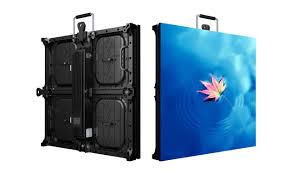
Advanced LED Display Manufacturing Techniques Enhancing Performance and Reliability
The LED display industry has experienced remarkable growth over the past decade, driven by demand for high-definition visuals, enhanced energy efficiency, and robust durability across various applications such as digital signage, broadcast media, and large-scale outdoor displays. As a professional engineer specializing in LED display manufacturing, it is essential to understand the advanced techniques and technical parameters that distinguish superior LED LCD screens, ensuring not only high performance but also long-term reliability.
One foundational aspect of LED display manufacturing is the precise selection of LED chips and materials. High-quality LEDs, typically gallium nitride (GaN) based, offer superior brightness and color consistency. The industry standard for indoor displays often targets brightness levels between 800 to 1200 nits, while outdoor displays require upwards of 5000 nits to maintain visibility under direct sunlight. Manufacturers must also measure chromaticity coordinates within stringent tolerances defined by standards such as CIE 1931 to guarantee accurate color reproduction.
The pixel pitch — the distance between individual LED pixels — is another critical factor influencing resolution and viewing distance. For indoor LED panels, pixel pitches commonly range from 0.9mm to 4mm, allowing for ultra-high definition images at close range, which is indispensable for applications like control rooms or conference halls. Outdoor displays typically use pixel pitches between 4mm and 20mm to balance resolution with cost and visibility from greater distances. Achieving optimal pixel pitch requires precision engineering in PCB layouts and driver IC integration to avoid crosstalk and maintain uniform brightness across the panel.
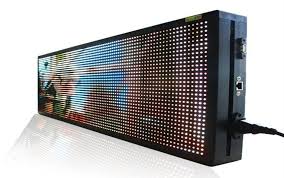
Thermal management is a paramount concern in LED display manufacturing. Operating temperatures significantly affect LED lifespan and color stability. Advanced designs incorporate aluminum alloy die-cast heatsinks with efficient thermal interface materials to dissipate heat effectively. According to industry reports, a well-designed thermal system can extend LED lifespan to over 100,000 hours, reducing maintenance costs and enhancing return on investment. Active cooling mechanisms such as embedded fans are sometimes employed in large outdoor cabinets to maintain operational temperatures within the ideal range of 20°C to 40°C.
In addition to hardware precision, power supply design and signal processing play crucial roles. Stable, low-ripple LED drivers conforming to the CE and UL safety certifications provide consistent current to LEDs, minimizing flicker and enhancing image stability. High refresh rates, typically above 3840Hz for indoor applications, are standard to prevent visual artifacts such as ghosting or tearing, particularly important for broadcast environments. Signal processing units must support advanced calibration techniques—such as grayscale compensation, gamma correction, and color uniformity calibration—to ensure consistent image quality across large modular setups.
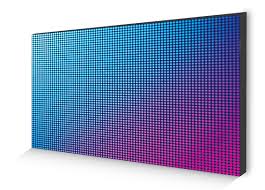
Assembly techniques also impact overall display reliability. Automated pick-and-place machines equipped with vision systems ensure optimal LED placement accuracy, reducing dead pixels and positional errors. High-quality SMD (Surface-Mount Device) LED packaging enhances angular color uniformity and brightness, critical for immersive viewer experiences. Furthermore, environmental protection standards, including IP65 or above for outdoor panels, resist water, dust, and corrosion, extending the display's operational life in harsh environments.
Industry case studies highlight the benefits of integrating these manufacturing best practices. For instance, a large-scale LED billboard project in Dubai demonstrated a 30% reduction in power consumption and a 25% increase in brightness uniformity after upgrading to next-generation GaN LED chips combined with advanced thermal management. Another case from a European transportation hub showed that implementing stringent quality control and signal optimization reduced annual maintenance by 40%, evidencing the clear advantage of meticulous manufacturing protocols.
In conclusion, the manufacture of cutting-edge LED displays demands rigorous attention to material selection, mechanical design, thermal management, electrical engineering, and assembly techniques. Adherence to international standards and continuous innovation—along with robust quality control—ensure that LED displays meet the growing expectations for brightness, color fidelity, durability, and energy efficiency. Professionals involved in this sector must stay abreast of technological advancements and industry benchmarks to deliver products that not only captivate audiences but also stand the test of time in diverse operating conditions.