

Advanced LED Display Technology: Innovations, Parameters, and Industry Best Practices
In the dynamic landscape of display technologies, LED (Light Emitting Diode) screens have revolutionized visual communication across multiple sectors, including advertising, entertainment, automotive, and industrial applications. As an experienced LED display engineer, this article delves deeply into the technical parameters, manufacturing nuances, and design considerations that define cutting-edge LED and LED LCD display solutions, ensuring durability, clarity, and viewer engagement on a global scale.
Understanding LED Display Technology
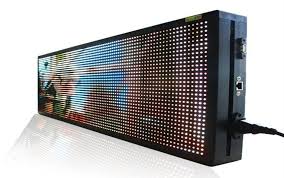
An LED display typically consists of an array of light-emitting diodes that generate images by modulating brightness and color. Unlike conventional LCDs with cold cathode fluorescent lamps (CCFLs) for backlighting, LED technology provides greater energy efficiency, higher contrast ratios, and enhanced color richness due to individual diode control. Furthermore, the rise of Direct View LED (DV-LED) displays enables large-scale, seamless screens that maintain integrity at any viewing distance or angle.
Key Technical Parameters
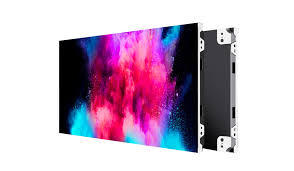
To design and manufacture high-performance LED displays, several critical technical specifications must be optimized:
- Pixel Pitch: Ranging from as low as 0.7mm for indoor fine-pitch applications to over 10mm for outdoor signage. Pixel pitch determines resolution and viewing distance. For example, a 1.25mm pitch ensures crystal-clear images suitable for conference rooms, while a 10mm pitch suits highway billboards with long-range visibility.
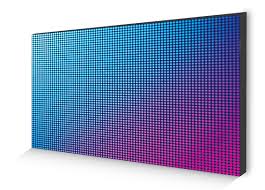
- Brightness: Indoor LED displays often maintain a luminance level between 800 to 1500 nits, while outdoor models must exceed 5000 nits to combat sunlight glare and maintain visual clarity. Continuous brightness calibration is enforced by integrated sensors responding to ambient lighting conditions, meeting IEC 62471 photobiological safety standards.
- Refresh Rate: To reduce flicker and improve video smoothness, modern LED displays achieve refresh rates up to 3840Hz or higher. This is essential in broadcast environments where camera capture could reveal flickering with lower rates, thus affecting image integrity.
- Color Accuracy: Leveraging advanced calibration techniques and high CRI (Color Rendering Index) LEDs, displays can achieve Rec. 709 and DCI-P3 wide color gamut compliance, serving industries where color fidelity is mission-critical, such as medical imaging and digital art installations.
Manufacturing Precision and Quality Control
Precision placement of LEDs on the Printed Circuit Board (PCB) involves automated pick-and-place machines with micron-level accuracy, ensuring uniformity and optimal thermal management. Industry best practices incorporate multilayer thermal conductive substrates and highly reliable SMD (Surface-Mount Device) packaging for durability.
Quality control includes rigorous in-line inspections—JESD22 standards for electronic reliability testing guide the stress tests for vibration, thermal cycling, and humidity resistance. Certified environmental controls during assembly (ISO 14644 cleanroom compliance) minimize defects that could cause dead pixels or color inconsistencies post-deployment.
Emerging Innovations: Mini LED and Micro LED
Mini LED backlit LCDs improve contrast ratio noticeably by enabling local dimming zones numbering over 2,000, versus conventional LED LCDs with a few dozen zones. This technology significantly narrows the gap between LCDs and OLED displays in HDR performance.
Micro LED, comprising microscopic LEDs directly forming each pixel, represents the next frontier with unparalleled brightness, longevity, and no burn-in risk. Although mass production hurdles persist—due to complex transfer and assembly requirements—companies like Samsung and Sony demonstrate rapidly advancing prototypes suited for premium TVs and commercial segments.
Integration with Smart Technologies
Modern LED displays often incorporate IoT-enabled sensors for environment-adaptive brightness and color tuning, remote diagnostics, and firmware updates. This connectivity ensures system longevity and reduces maintenance costs, aligned with Industry 4.0 principles.
Safety and Compliance
Strict compliance with international standards ensures LEDs emit safe light intensities and do not pose hazards. The IEC/TR 62778 standard addresses blue light hazard evaluations vital for prolonged human exposure scenarios. Additionally, RoHS and WEEE directives regulate environmentally responsible component sourcing and disposal.
Case Study: Large-Scale Urban Installation
A metropolitan transit authority implemented a 500 square meter outdoor LED mesh display with a 10mm pitch, achieving 7000 nits brightness for 24/7 operation in varying weather conditions. The project highlighted the importance of IP65-rated enclosures, high-contrast calibration, and predictive maintenance scheduling to minimize downtime, a combination that boosted commuter engagement by 40% within a year.
Conclusion
The continual evolution of LED display technology is characterized by integrating ultra-fine pixel accuracy, increased brightness, and smart operational features—all developed under rigorous engineering and quality standards. For manufacturers and end-users alike, understanding these fundamental parameters and adhering to best practices transforms LED displays from simple visual tools to powerful communication assets that meet the demands of an interconnected, visually driven world.













