

Advanced Technologies and Applications of LED Cube Screens in Modern Display Solutions
LED cube screens represent a cutting-edge evolution in display technology, blending three-dimensional visuals with the versatility of LED matrices to create immersive, eye-catching visual experiences. As an expert in LED display manufacturing with years of industry experience, I will explore the key technical aspects, applications, and advancements of LED cube screens, emphasizing their superiority in modern digital signage and interactive installations.
At the core, an LED cube screen is composed of multiple layers of LED panels arranged in a cubic or multi-dimensional configuration. Unlike traditional flat LED displays, these cube displays provide volumetric visualization that enables content to be viewed from various angles and perspectives, making them ideal for exhibitions, product displays, advertising, and live events.
Technical Parameters and Design Considerations
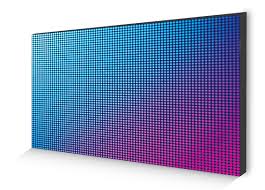
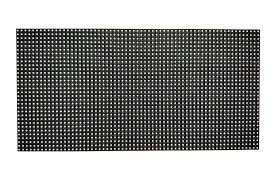
LED cube screens commonly utilize high-density SMD (Surface-Mounted Device) LED pixels, with pixel pitches ranging from 2.5 mm to 10 mm, balancing resolution and viewing distance. The pixel pitch directly impacts visual clarity; for indoor applications, a 2.5 to 4 mm pitch ensures sharp, detailed images, whereas larger pitches (5 mm and above) suit outdoor or large-venue installations.
Each LED module is carefully engineered for optimal brightness levels, typically between 800 to 1500 nits for indoor settings. Outdoor cubes require enhanced brightness of 2500 nits or more to withstand ambient sunlight. Color calibration and uniformity adhere to standards such as Rec. 709 or DCI-P3, ensuring vivid and consistent color reproduction crucial for branding and visual storytelling.
Structural Engineering and Display Control
Precision in mechanical assembly is paramount due to the multi-planar structure of cube screens. Lightweight aluminum frames are preferred for robust yet lightweight support, enabling easy installation while minimizing structural deformation. Thermal management systems, including heat sinks and sometimes active cooling, are integrated to maintain optimal operating temperatures, prolonging LED lifespan and preventing color shift.
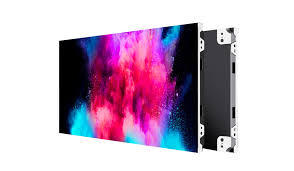
Driving an LED cube involves complex control systems capable of synchronizing multi-sided content playback with seamless transitions. Advanced video processors and software allow 3D content mapping, real-time interactive capabilities, and dynamic brightness adjustments based on ambient light sensors. These features enhance audience engagement and increase functional versatility.
Applications and Industry Use Cases
LED cube screens have gained traction in diverse fields:
- Retail and Showroom Displays: The multi-dimensional format effectively showcases products by offering 360-degree visibility, enhancing shopper engagement and enabling interactive advertising.
- Entertainment and Events: Cinematic 3D effects and immersive visual environments are achieved through LED cubes in concerts, museums, and galleries.
- Corporate Signage: Dynamic branding through cube displays provides companies a futuristic aesthetic, capturing attention in lobbies and public spaces.
- Art Installations and Exhibitions: Artists leverage LED cubes to present digital art in spatially innovative ways, pushing creative boundaries.
One notable example is Samsung’s "The Wall" modular LED display technology, which incorporates three-dimensional cube-like constructs to deliver unparalleled image depth and detail. Additionally, case studies from trade shows demonstrate that LED cube screens significantly increase visitor dwell time, contributing directly to higher conversion rates.
Future Trends and Innovations
Emerging trends suggest LEDs with mini-LED and micro-LED technologies will further refine cube screen resolution and energy efficiency. These advancements promise higher pixel densities with improved color gamut and lower power consumption. Integration with IoT and AI-driven content management systems will enable smarter, context-aware displays that adapt content dynamically.
Environmental sustainability also gains importance with the development of recyclable materials and advancements in LED phosphor technology that reduce hazardous elements.
Conclusion
LED cube screens epitomize the next frontier in digital display technology, merging engineering precision with innovative visual experiences. Their technical sophistication—from pixel density and brightness control to structural integrity and intelligent content management—makes them indispensable in sectors requiring impactful and interactive visual communication.
For professionals seeking to implement LED cube displays, attention to pixel pitch, brightness specifications, mechanical design, and control system capabilities is crucial. By understanding these parameters and keeping abreast of technological innovations, businesses can leverage LED cube screens to achieve unparalleled engagement and display solutions.
Sources:
- International Electrotechnical Commission (IEC) Standards on LED Displays
- Samsung Display Solutions Technical Whitepapers
- AVIXA (Audiovisual and Integrated Experience Association) Market Reports
- Technical publications on LED thermal and color calibration management













