

Advanced LED Display Technologies and Manufacturing Practices for Superior Visual Performance
In the rapidly evolving display technology landscape, LED (Light Emitting Diode) displays have established themselves as a cornerstone in various industries, from commercial advertising to control room monitoring and consumer electronics. As a professional LED display engineer with extensive experience in screen manufacturing, this article delves into the state-of-the-art technologies, manufacturing processes, and technical benchmarks that define today’s LED display solutions. Understanding these fundamentals is crucial for stakeholders aiming to leverage LED displays for superior brightness, color accuracy, energy efficiency, and durability.
Core LED Display Technologies
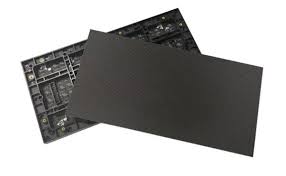
LED displays primarily come in two variants: direct-view LED (DV-LED) and LED-backlit LCD. Direct-view LED displays consist of self-emitting diodes arranged in pixels, enabling exceptional brightness (often exceeding 1000 nits) and contrast ratios (up to 1,000,000:1 or higher), which are particularly advantageous for outdoor and large-format applications. Meanwhile, LED-backlit LCD panels employ LEDs as a backlight source beneath an LCD matrix, combining the high resolution of LCD technology with efficient LED backlighting, resulting in displays with wider color gamuts and improved energy performance.
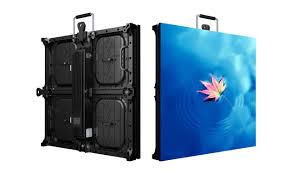
The pixel pitch, defined as the distance between the centers of two adjacent pixels, is one of the most critical parameters influencing image clarity and viewing distance. State-of-the-art indoor DV-LED displays now achieve pixel pitches as low as 0.7 mm, delivering ultra-high-definition visuals with detailed image fidelity even at close viewing distances. Conversely, outdoor LED displays typically feature pixel pitches ranging from 3 mm to 10 mm to ensure visibility over hundreds of meters.
Manufacturing Processes and Quality Assurance
The LED display manufacturing process involves multiple precise stages, including substrate preparation, LED chip placement, encapsulation, and module assembly. Advances in surface-mount technology (SMT) and automated pick-and-place equipment have significantly improved yield rates and consistency.
Critical to the display’s longevity and performance is the process of LED binning, where LEDs are sorted based on brightness, color temperature, and forward voltage. This ensures uniform color temperature and intensity across the entire display panel, minimizing visual inconsistencies and enabling superior color calibration. The most advanced manufacturers adopt four or more binning categories per parameter to maintain ultra-consistent color output, adhering to industry standards such as the Device Atlas binning standard and CIE colorimetry guidelines.
Thermal Management and Power Efficiency
Thermal management holds paramount importance in LED display durability and performance. Excessive heat can deteriorate LED lifespan and alter color characteristics. Manufacturers employ aluminum PCBs, flexible copper circuits, and advanced heat sinks integrated into display modules to dissipate heat efficiently. Many high-end modules also incorporate temperature sensors and fanless cooling designs to enhance reliability while reducing maintenance.
Power efficiency has seen remarkable leaps; modern LED displays often achieve luminous efficacy of over 150 lumens per watt, outperforming older models and traditional lighting technologies. Incorporating constant current drivers with pulsed-width modulation (PWM) dimming enables precise brightness control without color shift or flicker.
Color Accuracy and Calibration
Accurate color reproduction is a defining metric of LED display quality. Wide color gamut standards such as Rec. 2020 and DCI-P3 are increasingly adopted in LED displays to support professional and cinematic applications. Regular factory and field calibration using colorimeters and spectroradiometers ensure individual LEDs maintain consistent chromaticity coordinates.
Incorporating Digital Light Processing (DLP) or microstereoscopic projection technologies alongside LED modules also enhances color fidelity and depth perception, which are critical in medical, simulation, and virtual reality environments.
Environmental and Industry Standards
Compliance with international standards such as IEC 62368-1 for safety, RoHS for hazardous substance restrictions, and IP ratings for ingress protection are mandatory considerations during design and production. Outdoor LED displays typically secure IP65 or higher ratings to withstand rain, dust, and environmental stress.
The IEEE 1624 standards for LED energy efficiency and longevity testing provide guidelines for manufacturers to benchmark product reliability. Additionally, manufacturers often provide Mean Time Between Failure (MTBF) metrics exceeding 100,000 hours, reflecting product robustness under continuous operation.
Case Study: Implementation in Control Rooms
A recent project involved deploying fine-pitch DV-LED video walls featuring 1.2 mm pixel pitch for a 24/7 control room. The system incorporated advanced thermal management, IEC-compliant power supplies, and real-time color calibration systems, delivering crisp visuals with zero color degradation over 18 months of continuous operation. The installation led to enhanced operator situational awareness and operational efficiency, illustrating how technical parameters directly translate into performance benefits.
Future Trends
Looking ahead, microLED technology promises to achieve unparalleled brightness, contrast, and energy efficiency by integrating microscopic LEDs individually addressable at the pixel level. Advances in flexible substrates are also enabling curved and foldable LED displays, pushing boundaries in design and application flexibility.
In conclusion, mastering LED display manufacturing involves a holistic understanding of component quality, process control, thermal management, and rigorous calibration anchored in international standards. Innovations continue to close the gap between display technology and human visual experience, driving industries toward more immersive, sustainable, and reliable visual communication solutions.













