

Comprehensive Insights into Taxi Top LED Display Price and Value Factors
Taxi top LED displays have become an integral part of urban advertising and transportation communication, offering dynamic content delivery while enhancing the visibility of taxi services. Understanding the pricing structure of taxi top LED displays is essential for operators and advertisers aiming to optimize their investment. This article provides a detailed examination of the factors influencing the taxi top LED display price, integrating technical specifications, market trends, and practical considerations to guide informed purchasing decisions.
Technical Parameters Influencing Price
The cost of a taxi top LED display primarily hinges on several technical parameters:
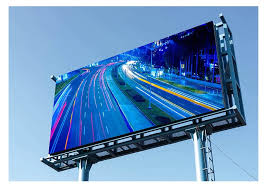
1. Resolution and Pixel Pitch: Pixel pitch, defined as the distance between the centers of two adjacent pixels, significantly affects the display’s resolution and clarity. Common pixel pitches for taxi top displays range from 4mm to 10mm. A smaller pitch value results in higher resolution, sharper images, and increased manufacturing costs. For example, a 4mm pitch panel can cost 30-50% more than a 10mm pitch counterpart, due to finer LED soldering and more LEDs per square meter.
2. Brightness and Contrast Ratio: Taxi top screens must maintain high brightness levels, typically between 4,000 to 8,000 nits, to ensure legibility under direct sunlight. Enhanced brightness increases power consumption and demands superior heat dissipation mechanisms, contributing to higher prices. Displays with dynamic contrast ratios above 5,000:1 are preferred to improve visual impact in diverse lighting environments.
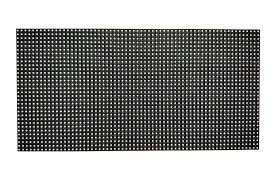
3. Display Size and Form Factor: The physical dimensions of the display directly correlate with the cost. Taxi top displays generally range from 1.2 square meters to 2.5 square meters. Larger displays require more LEDs and complex installations, which elevates the overall price. Additionally, curved and aerodynamic designs that conform to taxi rooftops further increase fabrication expenses owing to the custom mounting hardware and specialized enclosures.
4. Module Quality and LED Type: Premium quality SMD (Surface-Mount Device) LEDs from manufacturers like Nichia or Cree are more expensive but provide superior color fidelity, longer lifespan (up to 100,000 hours), and enhanced energy efficiency. Lower-tier LEDs may reduce upfront costs but typically incur higher maintenance and replacement expenses long-term.
5. Control Systems and Connectivity: Modern taxi top LED displays integrate advanced control units supporting real-time content updates via 4G/5G, Wi-Fi, or GPS synchronization. Inclusion of intelligent advertising management software, remote diagnostics, and audience analytics features increases the initial investment but improves ROI by facilitating dynamic advertising campaigns.
Market Pricing Analysis
Based on industry data and recent case studies from leading manufacturers, the average price for a standard taxi top LED display unit falls within the range of $1,200 to $3,500 per square meter. A typical 2 square meter display would therefore cost between $2,400 and $7,000 depending on configuration and brand.
In emerging markets, lower-cost Chinese models offering reduced brightness and larger pixel pitch are available starting at approximately $800 per square meter, attracting budget-conscious operators but often compromising display quality and durability.
Additional Cost Considerations
- Installation and Maintenance: Taxi rooftop mounting involves weatherproof and vibration-resistant enclosures. Installation can add 10-15% to the total cost. Additionally, maintenance plans involving periodic calibration, cleaning, and component replacement are essential for prolonged operational integrity.
- Energy Consumption: High brightness levels come with increased power demands, necessitating efficient power supply modules with surge protection, impacting electric consumption costs. Selecting energy-efficient components can reduce operational expenditure significantly.
- Regulatory Compliance: Taxi top displays must comply with local transportation and advertising regulations, including permissible brightness levels and content restrictions. Meeting compliance often demands additional hardware features such as automatic dimming sensors, which could marginally increase costs.
Best Practices for Selection
Operators should evaluate their specific use cases, striking a balance between display quality and cost-effectiveness. For densely populated urban areas with heavy sunlight, investing in higher brightness and finer pixel pitch yields better advertising performance. Conversely, regions with moderate lighting conditions may find lower spec displays adequate.
Partnering with reputable manufacturers and requesting detailed technical datasheets and warranty certificates ensures product reliability. It is also prudent to seek references or pilot projects to assess real-world performance and post-installation support services.
Conclusion
The taxi top LED display price is a multifaceted consideration influenced by technical specifications, product quality, installation requirements, and regulatory factors. Understanding these parameters enables buyers to make informed decisions that maximize advertising impact while managing budget constraints effectively. As urban mobility and smart city initiatives expand, taxi top LED displays remain a vital medium, linking innovation with practical deployment.
References
- International Electrotechnical Commission (IEC), IEC 61000-4-2: Electrostatic discharge immunity
- Display Industry Association, Technical Guidelines for LED Signage, 2023
- Market Research Reports on Digital Outdoor Advertising, 2024
- Case Study: Implementation of Taxi Roof LED Displays in New York City, Urban Mobility Journal, 2023













