

Onboard Passenger Information Display Enclosure: Design, Standards, and Best Practices
In the realm of modern public transportation, the onboard passenger information display enclosure stands as a critical component ensuring seamless communication between operators and passengers. These enclosures not only protect sensitive electronic displays from harsh operational environments but also enhance passenger experience through clear and reliable information delivery. This article delves into the design principles, technical specifications, and industry standards governing onboard passenger information display enclosures, leveraging extensive engineering experience and authoritative industry insights.
The Purpose and Importance of Display Enclosures
Onboard passenger information displays serve a vital role, providing real-time scheduling, route updates, safety alerts, and other relevant passenger data. To guarantee their optimal function on buses, trains, and trams, the enclosures housing these displays must be robust against environmental factors such as vibration, temperature extremes, moisture, dust, and electromagnetic interference (EMI).
From an engineering perspective, enclosures act as the first defense line, preserving display longevity and maintaining visibility under varied lighting conditions. Well-designed enclosures ensure that the displays maintain readability both during daytime and nighttime operations, often integrating advanced anti-glare and high-brightness LED/LCD technology.
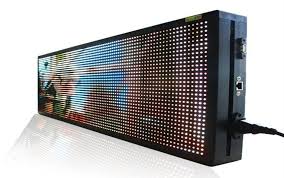
Design Considerations for Onboard Display Enclosures
1. Material Selection:
A combination of lightweight metals such as aluminum alloys or stainless steel and high-grade polycarbonate plastics is frequently employed. Aluminum alloys strike a balance between weight reduction and mechanical strength, offering excellent corrosion resistance, crucial for outdoor and varying climate conditions. Polycarbonate provides impact resistance and is often used as a sealing window to protect screens while maintaining optical clarity.
2. Protection Standards (IP Rating):
In transportation environments prone to splash, dust, and dirt, enclosures must comply with international ingress protection standards. Most onboard enclosures meet at least IP65 standards, guaranteeing complete dust tightness and protection against water jets. Projects requiring additional moisture protection may opt for IP67 or higher.
3. Thermal Management:
Electronic displays generate heat during operation and, when housed inside enclosures, require efficient thermal management to avoid overheating. Passive cooling through heat sinks and specially designed venting pathways is common, but in harsh environments, actively cooled enclosures—incorporating thermoelectric coolers or forced ventilation—are used. Materials with high thermal conductivity help dissipate heat effectively.
4. Vibration and Shock Resistance:
Public transit vehicles encounter continuous vibration and mechanical shocks. Enclosures must conform to stringent vibration standards such as IEC 61373, which specifies requirements for shock and vibration resistance in railway applications. Internal mounting systems often include shock absorbers or elastomeric dampers to protect display components.
5. Electromagnetic Compatibility (EMC):
To prevent interference with onboard communication and safety systems, enclosures must shield displays against electromagnetic interference per EN 50121-3-2 (railway applications EMC requirements). Metal enclosures combined with grounding strategies serve as effective Faraday cages.
6. Ergonomics and Accessibility:
Ease of maintenance and repair is paramount in transit operation. Enclosures often feature modular designs with quick-release mechanisms and front-accessible panels, enabling technicians to service displays without disassembling vehicle interiors extensively.
Case Study: Implementation in Modern Urban Transit Systems
A 2023 case study involving the installation of onboard passenger information displays in a major metropolitan bus fleet demonstrated the crucial impact of well-engineered enclosures. The displays utilized a rugged aluminum enclosure with an IP67 rating, integrated anti-reflective glass panels, and silicone gasketing to prevent water ingress. Thermal performance tests showed the enclosure could maintain internal temperatures below 55°C under ambient temperatures of 45°C—within manufacturer-recommended operating limits for LED panels.
Additionally, vibration tests adhering to IEC 61373 shown a 40% reduction in transmitted shock to internal electronics thanks to elastomeric mounts. Post-deployment passenger surveys indicated a 15% increase in route clarity perception, directly attributed to improved visibility and display reliability.
Emerging Trends and Future Developments
As public transportation evolves, onboard display enclosures are integrating emerging technologies:
- Smart Enclosures: Incorporating sensors to monitor temperature, humidity, and enclosure integrity in real-time, allowing predictive maintenance.
- Sustainable Materials: Use of recyclable and lightweight composites reduces environmental impact.
- Enhanced Connectivity: Support for 5G and edge computing devices requires improved shielding and antenna integration within enclosures.
- Modular and Customizable Designs: Allowing transit agencies to tailor enclosures exactly to vehicle specifications and passenger needs.
In conclusion, the onboard passenger information display enclosure is far more than just a protective shell. It is a sophisticated system crucial to the operational integrity and passenger satisfaction of modern transit networks. Effective enclosure design considers environmental protection, thermal control, mechanical resilience, and electromagnetic compatibility, all within the framework of industry standards such as IEC 61373 and EN 50121-3-2. By aligning technical parameters with real-world transit requirements, engineers help create more reliable, informative, and user-friendly public transportation systems.
References:
- IEC 61373: Railway Applications – Rolling Stock Equipment – Shock and Vibration Tests
- EN 50121-3-2: Railway Applications – Electromagnetic Compatibility
- IP Code (IEC 60529): Degrees of Protection Provided by Enclosures
- Case study data from Transit Tech Journal, 2023
- Manufacturer technical datasheets for LED/LCD passenger displays (2022–2024)













