Focused on Micro LED New Technology Invests the a $15 million from Google
The multinational corporation Google Inc has made a strategic investment of 15 million USD to acquire a 13 percent ownership stake in Glo, a university spin-out company specializing in the development of nanowire-based LED displays for mobile devices, smartwatches, as well as augmented and virtual reality applications. According to documents obtained by the Swedish news agency Rapidus, an exclusive share issuance was conducted during the summer solely targeting Google Inc.
Glo, headquartered in Silicon Valley and Lund, Sweden, has been successfully commercializing its cutting-edge technology for the production of direct view displays utilizing nanowire-based LEDs since 2008. Throughout the years, the company has managed to secure a substantial investment totaling nearly 140 million USD from a series of prominent investors including Wellington Partners and Foundation Asset Management based in Sweden.
Glo's display technology exemplifies the industry's micro LED advancements, offering superior contrast and reduced power consumption compared to LCD screens, while also delivering heightened overall brightness in comparison to OLED displays. In recent years, both Apple and Facebook-owned Oculus have made strategic acquisitions of start-up companies specializing in micro LED technology.
The compact size of micro LED-displays diodes enables enhanced resolution on miniature screens, such as those found in smartwatches or VR- and AR-goggles like Google Glass.
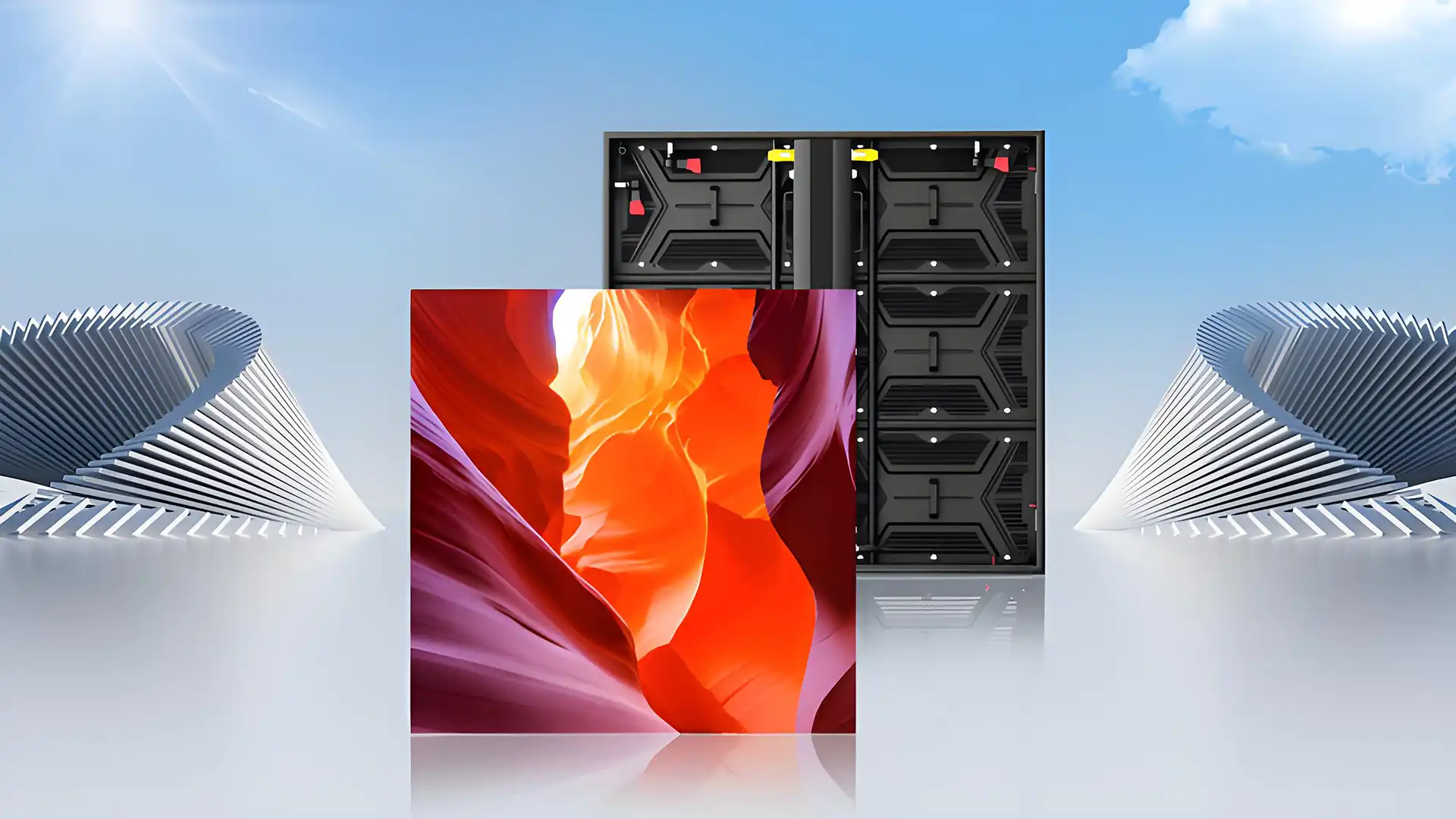
Micro LED is a display technology that utilizes miniature, self-emitting LEDs as individual pixels, with these LEDs typically measuring less than 100 micrometers in size. This enables the achievement of high pixel density and precise control over each pixel. Unlike conventional LED displays, Micro LED does not rely on a backlight, resulting in enhanced contrast, color accuracy, and energy efficiency.
Advantages of Micro LED: Micro LED technology offers several advantages over other display technologies:
1. High Brightness and Contrast: Micro LEDs can achieve exceptionally high levels of brightness, resulting in vibrant and captivating displays. Moreover, the absence of a backlight allows for deeper blacks and improved contrast ratio.
2. Wide Color Gamut: Micro LEDs have the capability to produce an extensive range of colors, enabling displays with exceptional color accuracy and vividness.
3. Energy Efficiency: Micro LED displays are highly energy-efficient as each pixel emits light independently, allowing for precise control and reduced power consumption.
4. Scalability: The scalability of Micro LED technology makes it suitable for displays of various sizes, ranging from small wearable devices to large-scale video walls.
5. Durability: Micro LEDs are renowned for their long lifespan and resistance to burn-in or image retention issues.
Challenges and Current Development: Despite its promising features, Micro LED technology still faces several challenges.
Manufacturing Complexity: The process of manufacturing Micro LED displays involves the precise placement of millions of tiny LEDs, which can be technically challenging and time-consuming.
Cost: Currently, the production cost of Micro LED displays is relatively high due to the complexity of manufacturing processes and the requirement for advanced equipment.
Yield Rates: Achieving high yield rates during production is crucial to make Micro LED displays commercially viable. Low yield rates can significantly impact the overall cost and availability of these displays.
However, ongoing research and development efforts are focused on addressing these challenges and improving the manufacturing processes to enhance accessibility and cost-effectiveness in Micro LED display production.
Potential Applications: Micro LED technology has the potential to revolutionize various industries.
Consumer Electronics: Micro LED displays can be utilized in smartphones, tablets, smartwatches, and other portable devices, offering enhanced visual experiences with higher resolution, improved color reproduction, and increased energy efficiency.
Digital Signage: The high brightness, wide color gamut, and scalability of Micro LED displays make them suitable for digital signage applications. They provide impactful and dynamic advertising solutions.
Automotive Displays: Micro LED technology can be employed in automotive displays such as instrument clusters, infotainment systems, and heads-up displays. This offers superior visibility even under bright sunlight conditions.
Virtual Reality (VR) and Augmented Reality (AR): Micro LED displays have the potential to enhance immersive experiences in VR and AR devices by providing high-resolution visuals with low latency.
In conclusion, Micro LED technology represents a significant advancement in display technology due to its exceptional brightness, wide color gamut, energy efficiency, and scalability. Despite the challenges that need to be addressed, continuous research and development efforts are expected to drive the commercialization of Micro LED displays across various industries in the forth coming years.